Music and dance are deeply rooted behaviors in human nature, capable of generating a significant impact on individuals and in the construction of culture. The ability to create music is considered a universal characteristic, although exceptions exist that challenge this perception.
An example of these singularities is the case of an indigenous hunter-gatherer community, the Northern Aché, with whom anthropologists Manvir Singh and Kim Hill lived for over 40 years. Their research revealed a notable absence of musical and dance practices.
In this community, there is no dancing. There are no collective songs, no musical celebrations, no choreographic rituals. And most disconcertingly: there are no lullabies. Mothers care for and play with their children, yes, but they never sing to calm or put them to sleep.
The explanation for this peculiarity, according to academia, could lie in a demographic crisis that interrupted cultural transmission. This situation not only led to the loss of essential survival knowledge, such as fire-making, but also to the disappearance of expressions like smiling and body language, which often emerge with music.
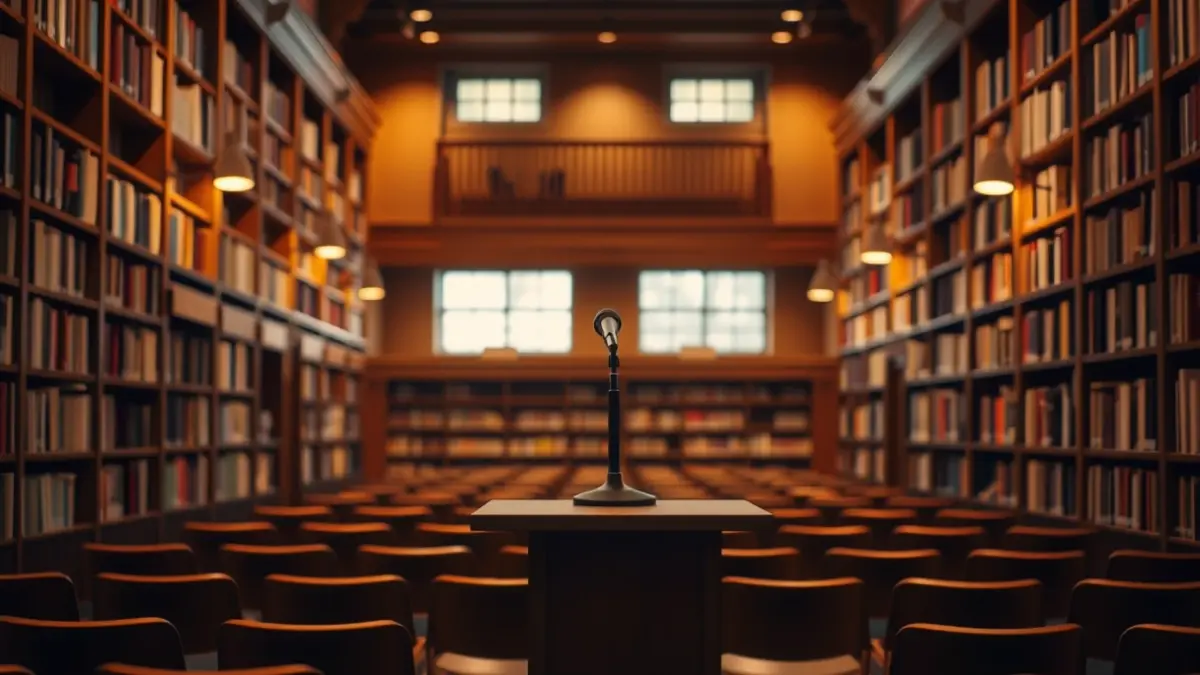
In contrast to this reality, the Jorge Martínez Reverte Municipal Library in Bustarviejo offered an enriching musical experience. Last April 25, on the occasion of Book Day, it hosted a concert by Transoceánica Coral, under the direction of Marina Peñuelas. The event was a success, highlighting the choristers' singing and the emotional bond created between the audience and the books.
The activity was promoted by the El Bustar Association, who are thanked for their initiative, as well as Transoceánica Coral for fostering community and all attendees for their participation.