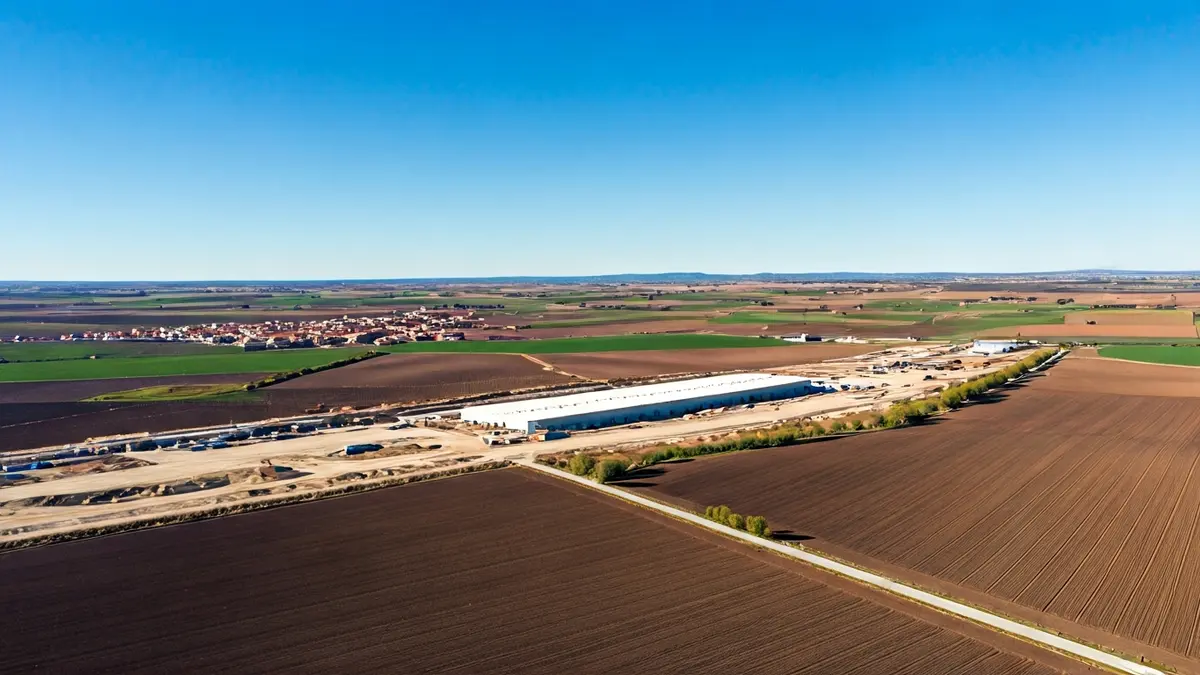
The project involves processing various materials, including slurry, chicken manure, sewage sludge, slaughterhouse waste, and other by-products. The infrastructure would cover approximately 100,000 square meters and include large anaerobic digesters and storage ponds with a capacity exceeding 90,000 cubic meters, along with systems for biomethane production.
This initiative has sparked growing concern in this agricultural rural setting. The Madrid Ecologist Platform has indicated that residents are warning of potential consequences for the environment and quality of life in the region.
Among the main concerns are odor and gas emissions, increased heavy vehicle traffic, potential risks to aquifers and soils, as well as the visual and acoustic impact the plant could generate.
The discontent has led to the formation of a citizen platform and an informational assembly held on March 21, where the environmental, social, and economic implications of the project were analyzed. This group has urged the public to actively participate in the ongoing administrative appeals process.
The Belmonte de Tajo City Council has joined the residents' opposition, publicly stating its rejection of the initiative, promoted by the company AGR Biogás. The municipal corporation has expressed its intention to defend the interests of residents against what it considers a high-impact project in a particularly sensitive environment.