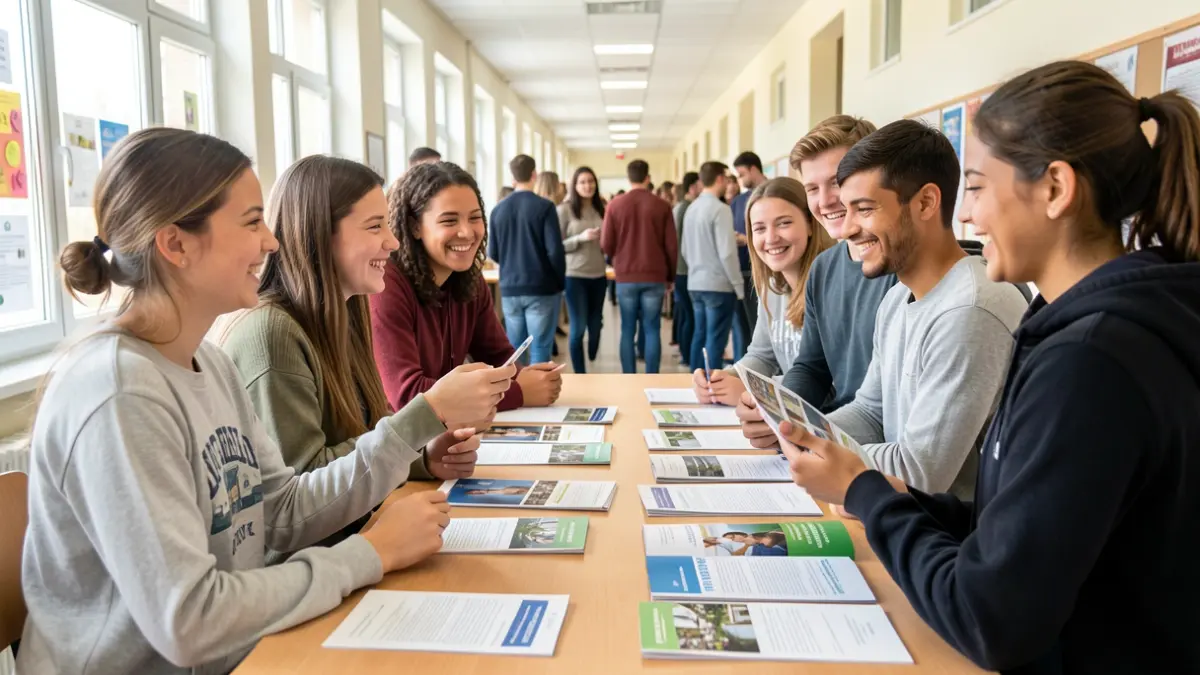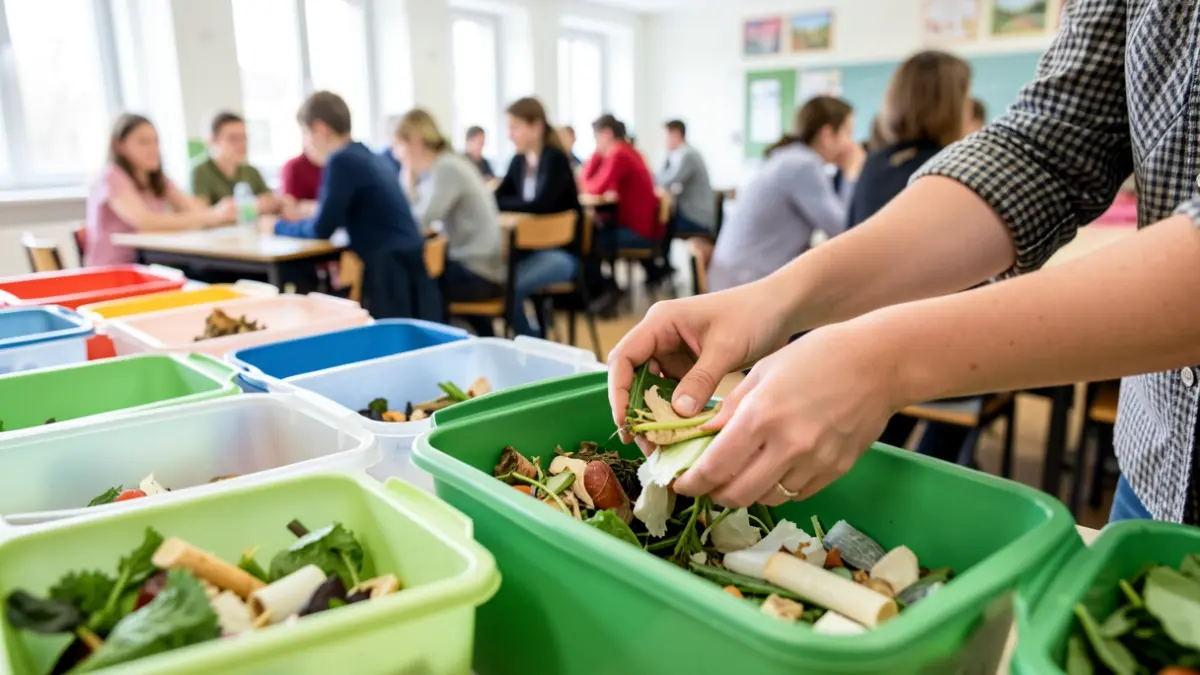
The Nuestra Señora de Lourdes school in Torrelodones has joined a pioneering environmental initiative. Students and cafeteria staff will collaborate with the Madrid Institute for Rural, Agrarian and Food Research and Development (IMIDRA) to separate generated organic waste. This waste will be sent to the composting plant that IMIDRA operates at the El Encín farm in Alcalá de Henares, where it will be analyzed to determine its suitability as fertilizer.
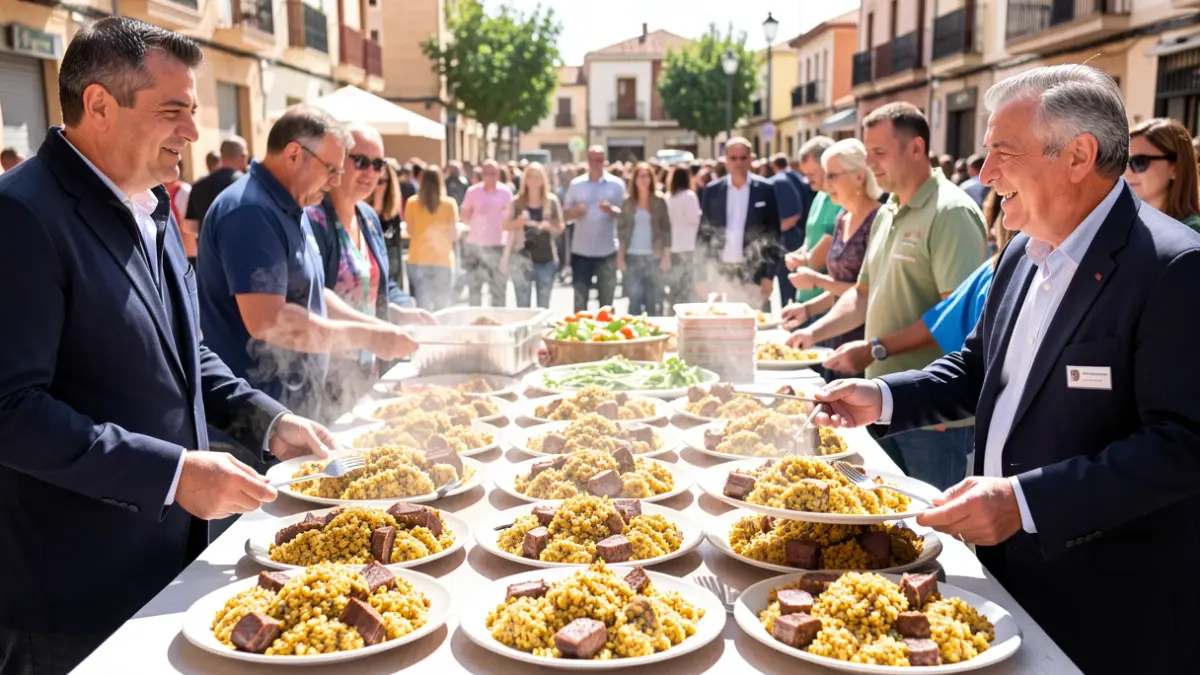
The agreement was formalized in an event attended by the mayoress of Torrelodones, Almudena Negro, and the managing director of IMIDRA, Mónica Martínez. Also present were the councilors for Education and Environment, Lorena Fernández and Javier Tato, representatives from the company Urbaser (contractor for waste collection and street cleaning), and the school's director, Sonia García, who highlighted the school's sustainable commitment.
“"What until recently was considered mere garbage, today becomes a second chance. Every gesture counts; it's about generating new habits and awareness. We want to move towards more sustainable models. Today, the circle closes. Waste doesn't have to end up in a landfill."
Mónica Martínez explained that, thanks to this collaboration agreement, organic waste from school cafeterias will be selectively collected and transformed at the pilot composting plant in El Encín into a useful resource for agriculture and soil improvement.
One of the project's lead researchers, Álvaro, emphasized the importance of source separation, noting that between 80% and 90% of cafeteria waste is compostable, a significantly higher figure than the 40% from household waste.
“"We have seen how high fertilizer prices are and how farmers have complained. We need organic matter to return to the soil for better harvests."
Through the REALIMENTA2 project, IMIDRA aims to refine bioremediation treatment systems and evaluate their environmental and agronomic benefits, contributing to the circular economy in the Community of Madrid. The managing director of IMIDRA concluded by stressing the need to put the institute's knowledge at the service of society, implementing projects that allow raw materials to return to the soil for more economical fertilization.