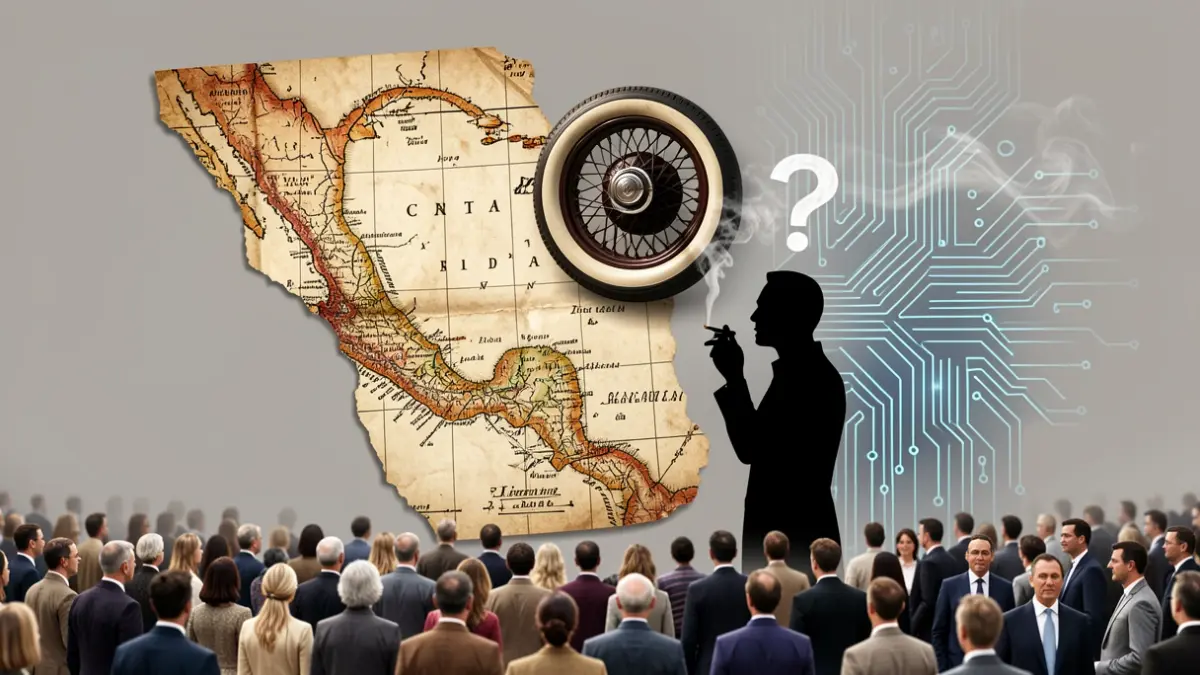
May 31st has become a significant date for understanding societal evolution, encompassing everything from major historical events to advancements that continue to shape our daily lives. This date serves as a link between the past and the present, reflecting how different eras and discoveries are intrinsically connected by a constant drive for change.
In the realm of health, May 31st is observed as World No Tobacco Day, an initiative promoted by the World Health Organization since 1988. This day aims to raise awareness about the dangers of tobacco consumption and encourage healthier lifestyles, underscoring the importance of prevention and self-care for collective well-being.
Technologically, the date evokes one of the most influential inventions of the modern era: the automobile. In the late 19th century, pioneers like Gottlieb Daimler led the development of the internal combustion engine, laying the groundwork for today's vehicles. This advancement revolutionized mobility, transportation, and urban planning, radically transforming how people lived and traveled.
In the context of exploration, May 31st, 1502, marked the beginning of Christopher Columbus's fourth voyage. During this expedition, Columbus sailed along the coasts of Central America in search of a passage to Asia, a goal he would not achieve. Nevertheless, the voyage expanded geographical knowledge of the Americas and strengthened European presence on the continent, a process that would profoundly alter world history.
Finally, one of the most pivotal historical milestones occurred on May 31st, 1453, with the fall of Constantinople to the Ottoman Sultan Mehmed II, bringing an end to the Byzantine Empire. This event not only signified the demise of an empire that was a successor to Rome but also symbolically marked the end of the Middle Ages. Furthermore, it altered trade routes between Europe and Asia, indirectly spurring the search for new maritime paths and ushering in the Age of Discovery.