Conceived by Juan de Villanueva in 1785, the building now known as the Prado Museum was not originally intended for art display. Its design envisioned a functional complex of three structures to house a Natural Science Museum, an Academy of Sciences, and an Academic Boardroom. However, fate had a different purpose in store, transforming it into the home of one of the most significant painting collections worldwide and Spain's most visited museum.
The Prado is an emblem of Madrid, internationally recognized for both its architectural value and its unparalleled artistic heritage. Names like Velázquez, Goya, Rubens, Tiziano, El Greco, Fra Angelico, and Hieronymus Bosch are intrinsically linked to this majestic grey granite building, located next to the Retiro Park.
The building's construction was interrupted by the War of Independence. After the conflict, King Ferdinand VII and his wife María Josefa Amalia of Saxony decided to transform the structure, which never fulfilled its scientific function, into the Royal Picture Gallery. Inaugurated on November 19, 1819, with 311 paintings from the royal collection, today the Prado safeguards over 8,000 paintings.
The Prado's collection is so vast that a complete visit in a single day is impossible. Among the essential works no visitor should miss are Las Meninas by Velázquez, The Garden of Earthly Delights by Hieronymus Bosch, The Family of Charles IV and the Black Paintings by Goya, The Descent from the Cross by Roger van der Weyden, and Charles V at Mühlberg by Tiziano.
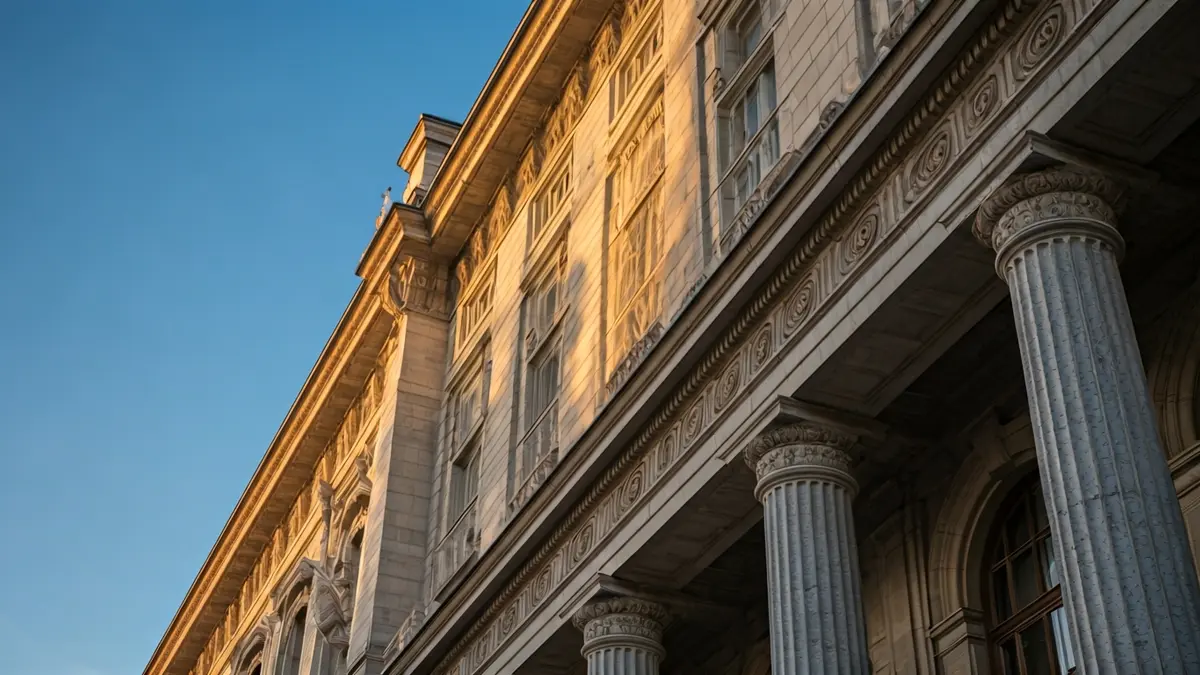
Villanueva's original design is a benchmark of 18th-century Spanish neoclassicism, notable for its grey granite facades, porticos with Doric columns, and a harmony between solidity and elegance. In 2007, Rafael Moneo's extension added 20,000 square meters of new halls, surprisingly integrating the old cloister of the Jerónimos convent, reconstructed with its original Gothic structure.
The Prado Museum offers free admission from Monday to Saturday from 6:00 PM to 8:00 PM, and on Sundays and holidays from 5:00 PM to 7:00 PM. Online booking is recommended to avoid queues, especially during peak season. For a comprehensive visit, it is suggested to dedicate at least a full day, although many visitors choose to return on multiple occasions to appreciate its artistic richness.