The new headquarters, located at number 4 on Carretas Street, will replace the current one on Carrera de San Jerónimo. This move involves an investment of approximately two million euros and a 20% increase in staff, bringing the total to 31 professionals. Operating hours will be extended, running from Monday to Friday from 8:00 AM to 8:00 PM and Saturdays from 9:00 AM to 2:00 PM, offering both appointment-based and walk-in services.
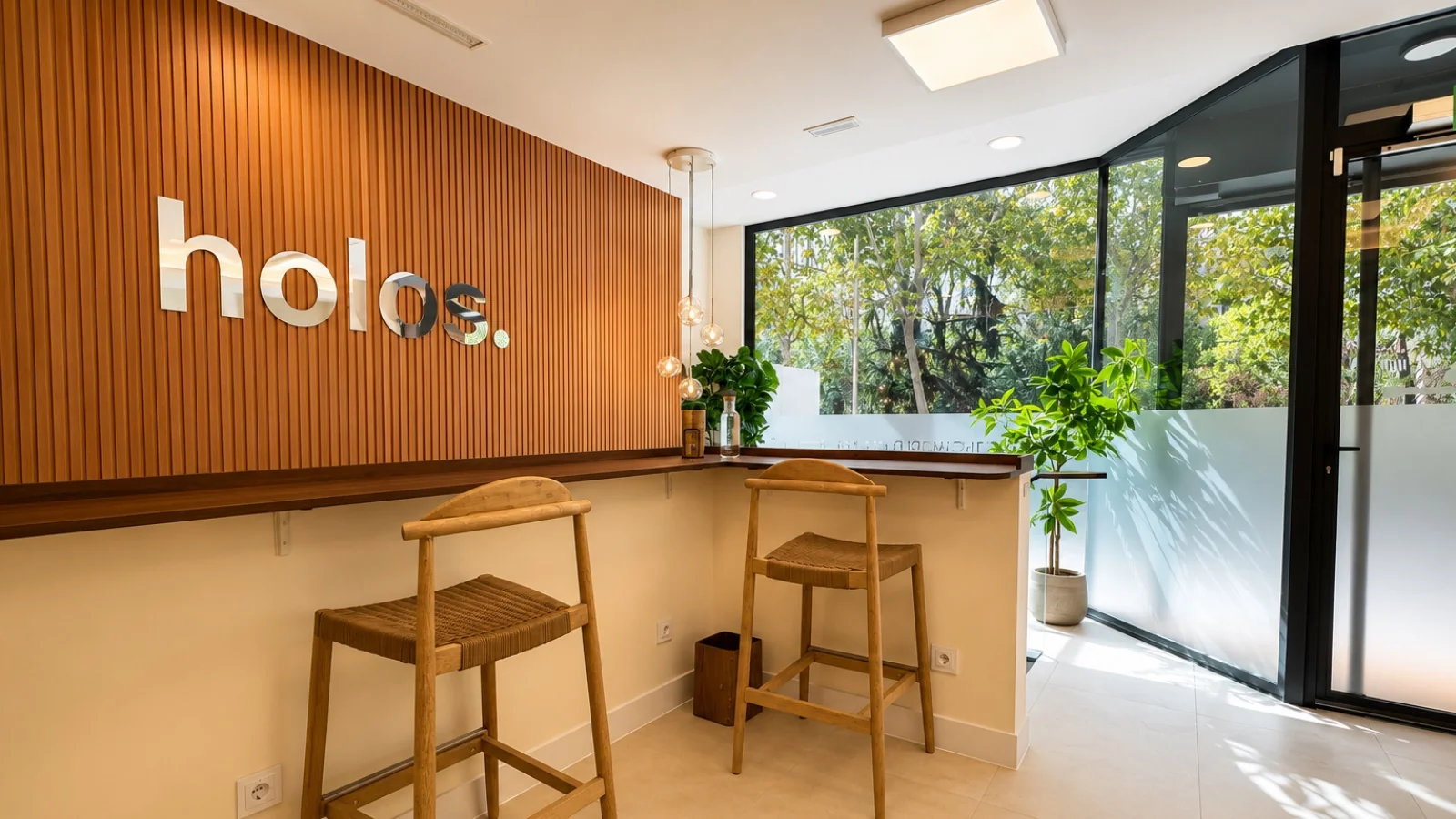
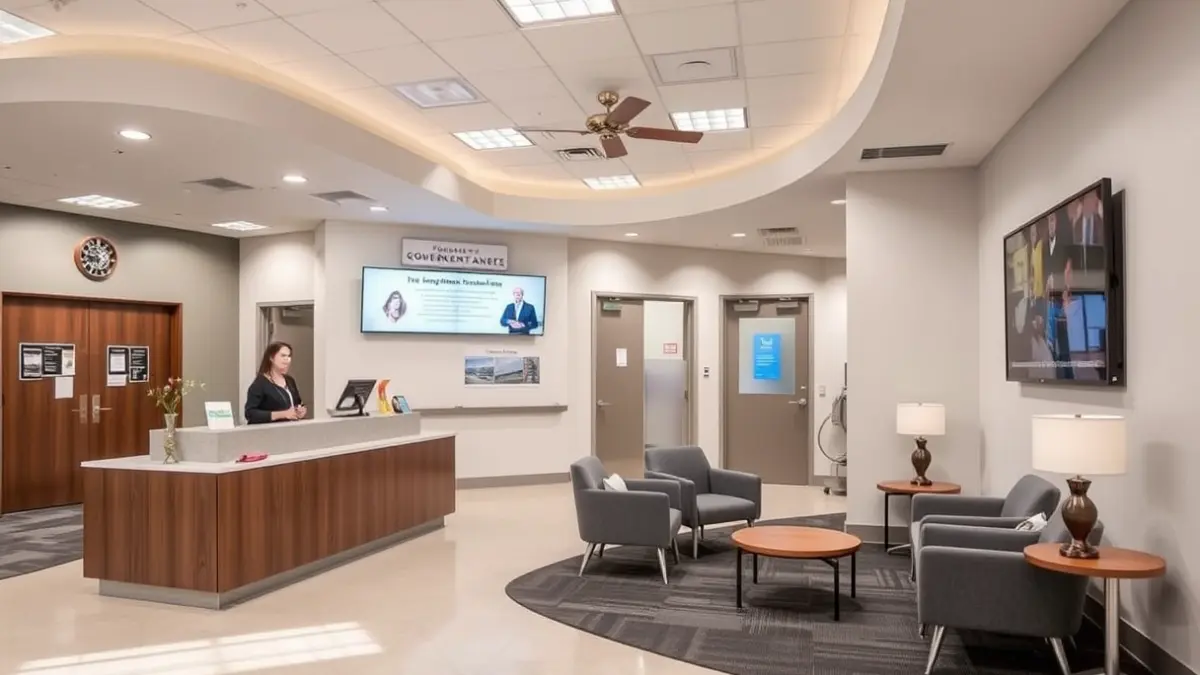
The Minister of the Presidency, Justice, and Local Administration, Miguel Ángel García Martín, recently inspected the progress of the construction. The new center will span nearly 700 square meters, with 400 square meters dedicated to direct service, 200 for the Registry of Domestic Partnerships, and 100 for a multipurpose area for campaigns, meetings, and training activities. It will feature 13 service points and a diverse team including direct service agents, support technicians, reception staff, and management supervisors.
The decision to expand and relocate the office is a response to the sustained growth in its activity. In 2025, the current office served over 55,700 people, marking a 19% increase compared to 2024. This growth underscores the need for larger spaces and more professionals to ensure more agile and personalized service for users.
Services offered at the new location will include in-person and video call information and guidance, submission of applications and documentation, validation of electronic certificates, and access to procedures for the Virtual Health Card, the Youth Card, or the Mediation, Arbitration, and Conciliation Service. The goal is to establish this office as a "large administrative window" in the city center, capable of handling various procedures without requiring additional travel.
The project is part of a broader regional strategy to optimize the relationship with citizens and adapt services to increasing demand. The central location will facilitate access and allow for a more comprehensive and diverse range of services to be concentrated in a single point. The facilities will be designed with accessibility and advanced technology in mind, including a specific area for seniors and people with disabilities, and systems to streamline administrative procedures.