The spokesperson for Más Madrid in the City Council, Rita Maestre, presented the 'Madrid for the Rich. An Analysis of Inequality' report on Tuesday, April 14, 2026. This document examines the evolution of income and wealth inequality in Madrid and its direct impact on the city's various districts.
“"We want to provide data, reality, and materiality to the increasingly widespread idea in Madrid that our city is being stolen from us. This feeling one gets on the street and in conversations is real."
According to the collected data, Madrid exhibits the highest levels of inequality among the ten largest Spanish cities, despite also being the urban center with the highest average wealth levels. The report highlights that one in three minors lives in a situation of poverty risk. Furthermore, 40% of Madrid households struggle to make ends meet, while the city is home to over 23,000 large fortunes whose wealth has doubled in a decade, reaching almost 300 billion euros.
Más Madrid attributes this scenario to policies promoted since José Luis Martínez-Almeida became Mayor, arguing that a model primarily benefiting economic elites has been consolidated. In their view, Madrid is being shaped into a city aimed at attracting large fortunes, while working families lose their ability to sustain their daily lives in the capital.
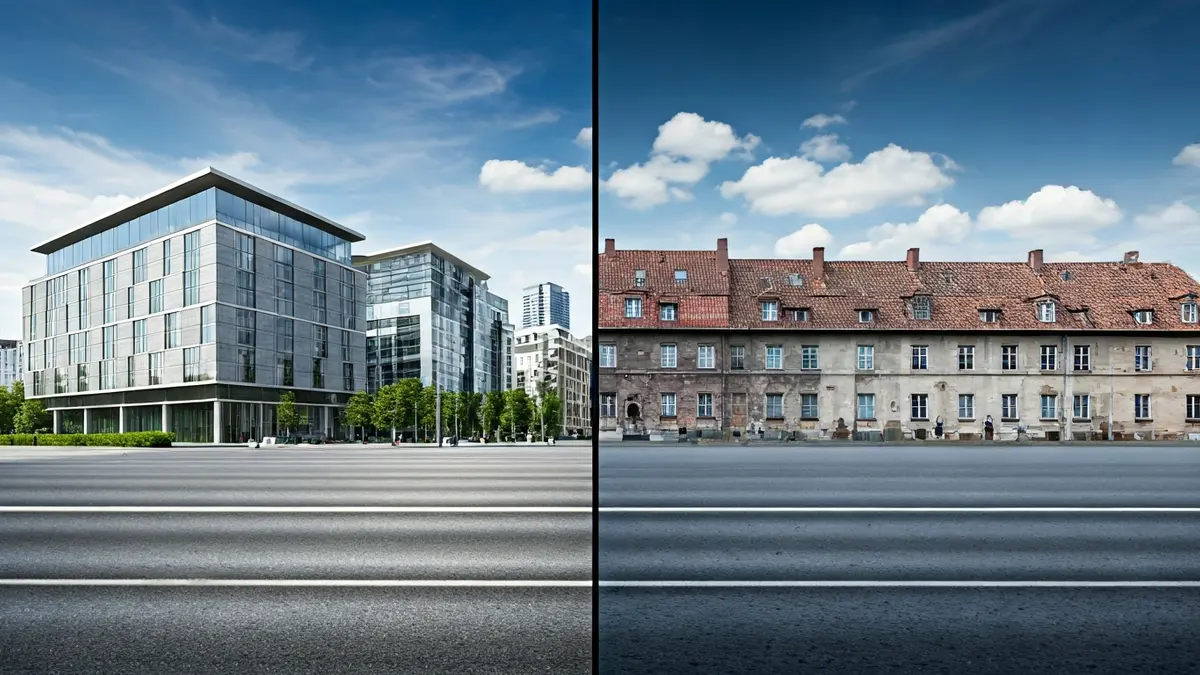
The study also reveals significant territorial differences. Income in districts like Chamartín and Moncloa-Aravaca doubles that of areas such as Usera, Villaverde, or Puente de Vallecas. Additionally, 33% of the population, mainly located in higher-income districts, concentrates 68% of wealth-derived income and 63% of income linked to economic activity.
Regarding saving capacity, Chamartín, Salamanca, Chamberí, Retiro, and Moncloa-Aravaca show a margin close to 50% of their income, whereas in districts like Villaverde, Usera, and Puente de Vallecas, households struggle to achieve economic stability by month-end. Puente de Vallecas stands out with 62% of its population facing difficulties making ends meet, a figure double that of Salamanca. Moreover, 28.2% of its residents report problems affording housing costs, a proportion four times higher than in Chamberí.
Más Madrid asserts that the current municipal model relies on three pillars: real estate speculation, the promotion of luxury tourism and exclusive events, and transforming Madrid into an attractive fiscal environment for large fortunes. During Almeida's term, rental prices have risen by an average of 37% in the city, with particularly high increases in the Centro district (+64%), Usera (+50%), and Puente de Vallecas (+51%). Concurrently, housing purchase prices have increased by 56%, with peaks of 70% in Retiro and Salamanca.
In the employment sector, Maestre indicated that over 57% of unemployed individuals in Madrid reside in the nine southern and eastern districts, which also record higher rates of temporary employment (10% compared to 8.2% in the rest of the city). These districts concentrate employment in sectors with more unstable working conditions and lower wages, such as commerce, hospitality, and administrative activities.
The report also points to a significant impact on the young population. The unemployment rate among 16 to 29-year-olds in the south and east is 38% higher than the Madrid average, reaching 41% for young women. Puente de Vallecas again stands out with even higher figures: 73% above the average for youth unemployment and 81% for young women.
“"To end inequality in Madrid, we must immediately burst the profitability of housing in the city. With profitability above 17 percent, it is impossible for wealth to stop accumulating in very few hands at the top and for the vast majority to access housing as the constitutional right it is in our country."
To reverse this situation, Más Madrid proposes reducing the profitability of the real estate market, increasing the tax burden on large fortunes, and eliminating what it calls “1 billion euros in fiscal gifts.” Among other measures, the party suggests free school meals, the opening of “large houses” in each district, more nurseries per neighborhood, a municipal minimum wage of 1,500 euros for service workers contracted by the City Council, a universal child-rearing benefit, the creation of three new industrial hubs in the south, and increased public investment in the southern and eastern districts of the capital.