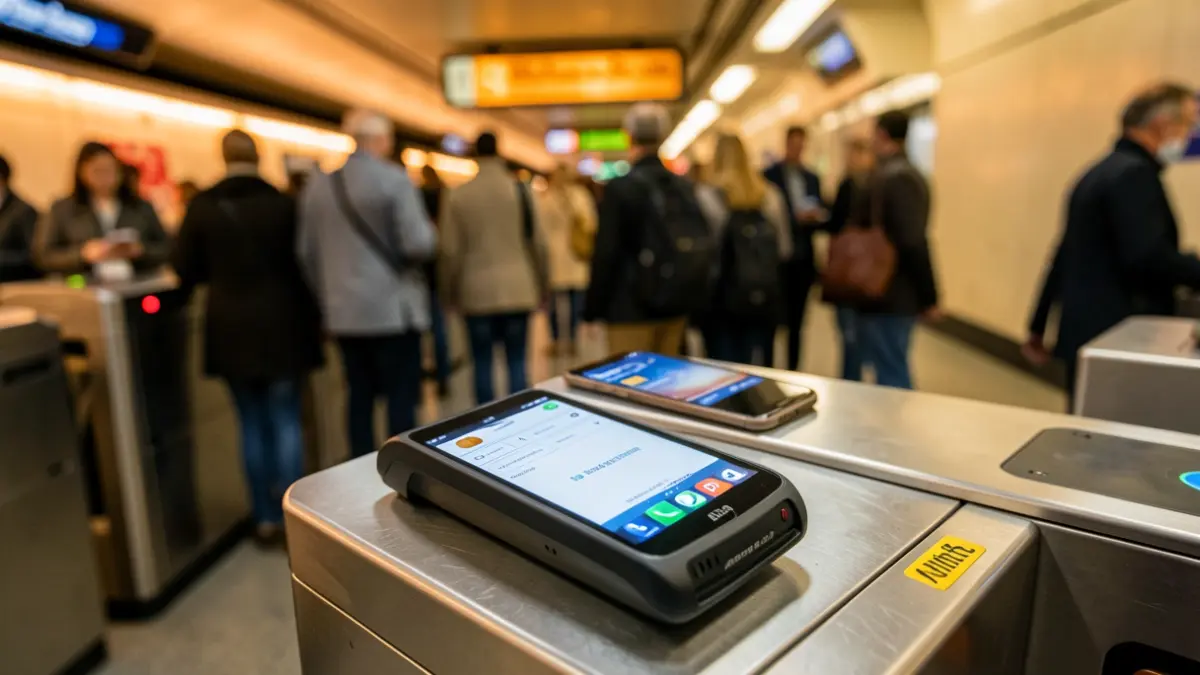
The Madrid subway is initiating a significant modernization of its access system. From June 1, 2026, travelers using the Metro de Madrid network will no longer depend exclusively on possessing a physical Public Transport Card (TTP) to travel. The new system will allow direct payment with credit or debit bank cards, as well as through mobile devices and smartwatches equipped with contactless technology.
This measure aims to significantly reduce waiting times and the usual queues that form at ticket vending machines, especially during peak passenger flow. The announcement was made at Feria de Madrid station, on Line 8, which served as the testing ground for the technology before its final implementation.
The implementation of this system, funded by European NextGeneration funds, will involve a total of 1,249 access devices distributed across the network's various stations. However, the extent of the technology's availability will vary depending on the infrastructure's age at each stop. Of the adapted turnstiles, 470 are new-generation smart devices. In stations with older turnstiles, at least two per station will be adapted to accept bank card payments, with at least one also capable of reading QR codes.
To encourage the adoption of this new method during the initial operating weeks, a temporary promotional fare has been established. For the first few weeks, a single journey ticket paid directly with a bank card will cost a reduced and fixed price of 1.5 euros, regardless of the distance traveled.
The launch of this technology intentionally coincides with key dates on the capital's calendar, including the visit of Pope León XIV, scheduled from June 6 to 9, and the Spanish Formula 1 Grand Prix in September. These events will test the system's capacity to handle increased demand at strategic stations.
In this initial phase, direct payment at the turnstile will only be available for purchasing single journey tickets. Monthly passes, ten-trip tickets, or special discounts for groups like large families or seniors will still require the use of traditional channels. The new payment option does not replace existing methods but offers a quick alternative for occasional users, tourists, or citizens making unplanned trips.
“"It will improve the user experience by reducing waiting times, facilitating access, and avoiding crowds in lobbies and sales machines, especially on high-demand days."
With this regulatory and technical change, the transport network aims to progressively adapt to citizens' new digital habits, combining the traditional system of rechargeable tickets with the flexibility of direct bank payment at the turnstile.