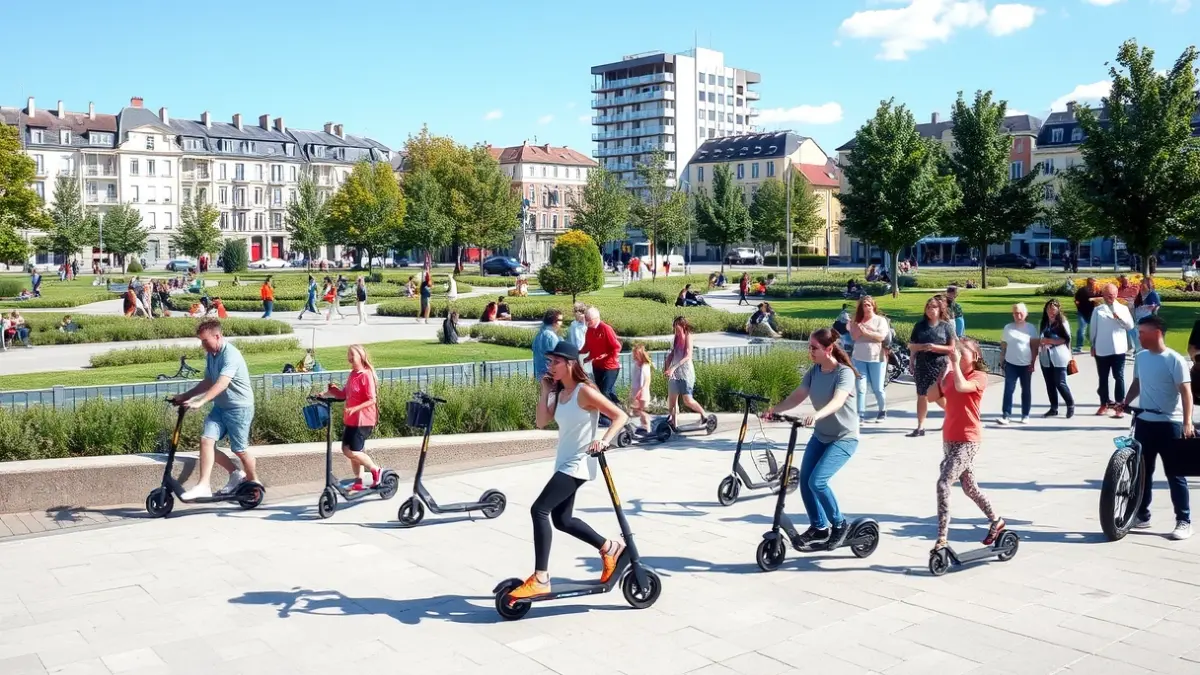
During an interview, the municipal official emphasized the importance of protecting residents and their sense of belonging to emblematic spaces such as Juan Carlos I Park or the Jardín del Capricho, which he described as a “historical gem.”
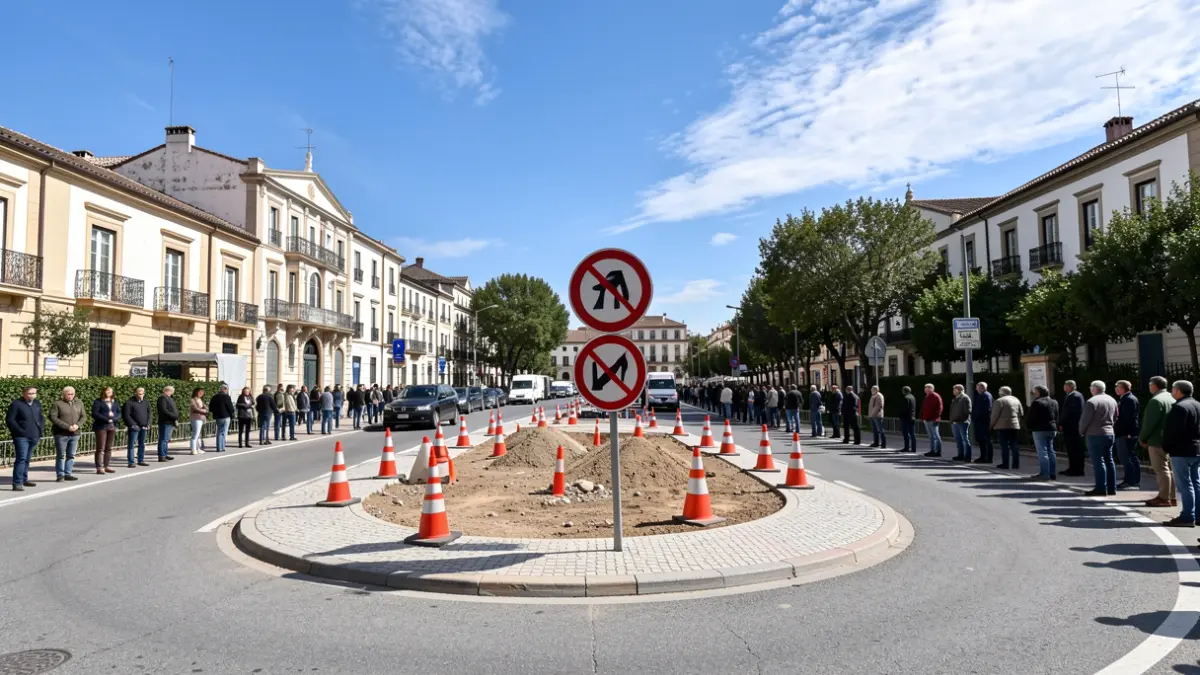
Among the most relevant actions is the pedestrianization of Barajas' Plaza Mayor. Works have already begun in adjacent streets and will soon focus on the main square. This initiative aims to give prominence to residents and revitalize the commercial hub of Avenida General, with wider sidewalks and environmental improvements to foster local commerce.
Regarding Plaza de Pajarones, it was recalled that this project emerged from participatory budgets. It will be pedestrianized and connected to Barajas' Plaza Mayor via Júpiter Street, with another intervention planned for a nearby square using its own budget.
The district will also see the creation of a 7,000-square-meter intergenerational macro-center, designed for the coexistence of seniors and youth, including a day center and a large auditorium, given the current lack of a covered space for cultural events. While this project progresses, the Teresa de Calcuta Cultural Center will be equipped with a new multi-purpose room.
In sports, the Barajas sports center has been fully equipped with a hockey rink, two more paddle tennis courts, a pickleball court, and expanded changing rooms. Additionally, 3x3 minibasketball or streetball courts will be built outdoors. The new pumptrack bicycle circuit, considered “the best in Spain,” and the capital's first school for this discipline have been highlighted.
Regarding housing, a development of 54 mid-income homes has been completed and will soon be delivered, with two more developments planned: a twin project and another in the Aeropuerto neighborhood with about 20 homes. For flooding issues, the solution involves building a large collector with three storm tanks, with 85% of the necessary land already acquired.
In terms of security, although residents have reported “increased criminality,” the National Police has indicated that the situation is stable. Nevertheless, a letter was sent to the government delegate expressing concern, and while no increase in National Police presence has been observed, the Municipal Police has been reinforced.
In transport, a night bus line to the airport, the N-202, passing through Barajas' historic center, has been achieved. Work continues on extending metro line 5, and pressure is being maintained on the Ministry of Public Works for the construction of the commuter train stop at Campo de las Naciones, crucial for alleviating traffic and pollution from events at Ifema Madrid.
Adolfo Suárez Madrid Barajas Airport is vital for the district, as three out of five families have at least one member working directly or indirectly for the aerodrome. Culturally, Barajas boasts the city's only medieval castle and its only campsite, which will be repurposed as a concert venue. Two rehearsal rooms will be built, addressing a “historical demand” from local music groups.
Finally, citizens are invited to visit the Jardín del Capricho and the ‘Noches del Castillo’ at the Castle of Alameda de Osuna, featuring pop, jazz, flamenco, and classical music concerts starting May 15.