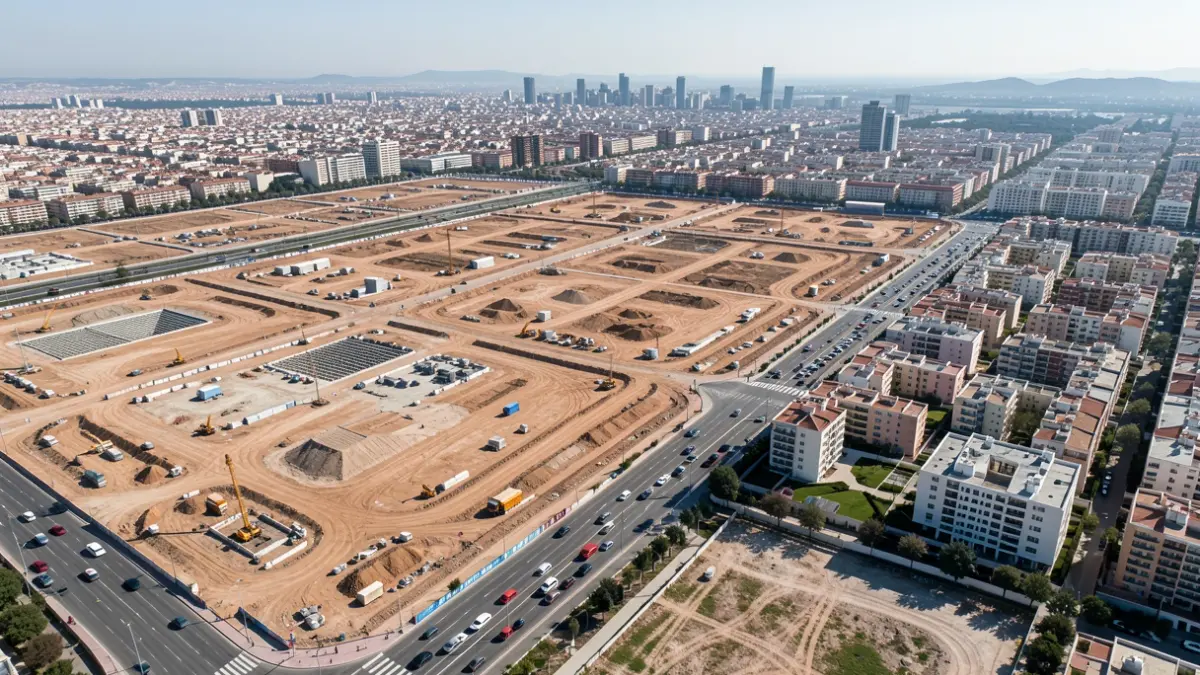
The capital faces the urban heat island phenomenon every year, where asphalt and buildings retain solar radiation, significantly raising indoor temperatures. This situation drives many families to seek effective solutions to mitigate the impact of heat without skyrocketing energy costs.
In contrast to reliance on air conditioning, exterior protection systems, such as awnings, emerge as a natural "shield." These devices block solar radiation before it impacts windows, especially in critical orientations like south and west, where sun exposure is more intense and prolonged.
“"An awning should not be considered a mere accessory, but a true thermal shield."
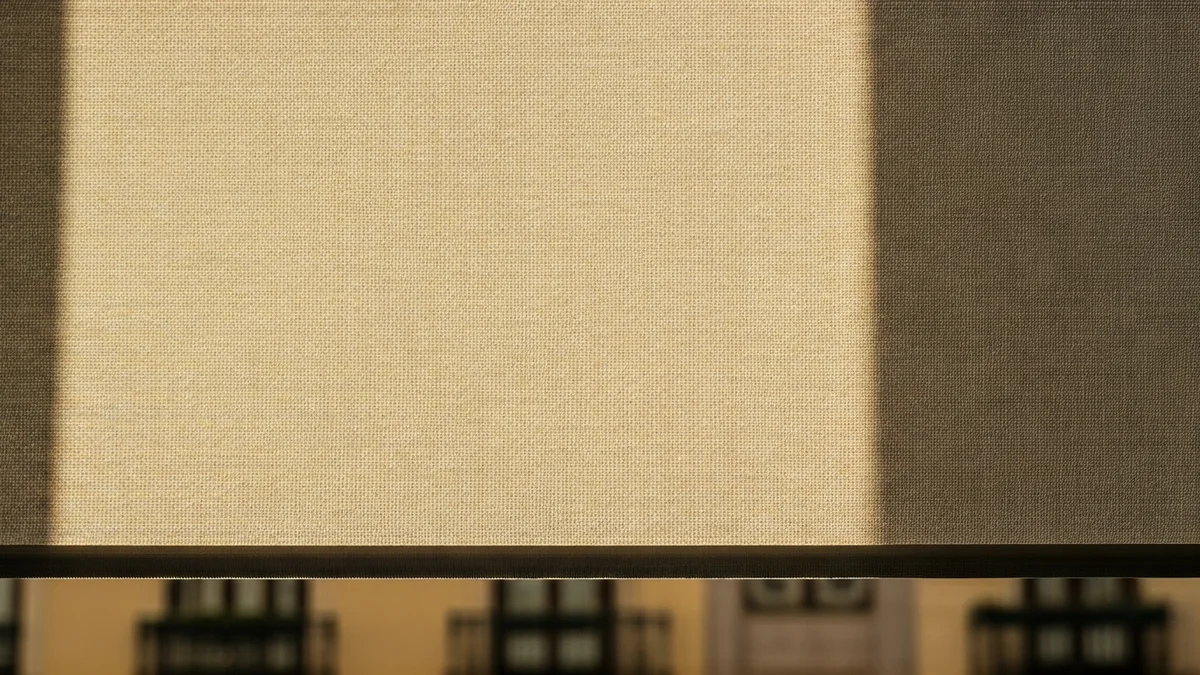
The effectiveness of an awning largely depends on the choice of material and fabric color. Acrylic fabrics are ideal for large windows due to their resistance and solar filtering, while micro-perforated canvases allow air circulation, preventing the "greenhouse effect." Furthermore, light colors reflect solar radiation, passively optimizing indoor temperature.
According to IDAE data, investing in exterior solar protection is more cost-effective than intensive use of air conditioning systems, allowing savings of over 30% on utility bills. However, installing awnings in Madrid often requires adapting to community bylaws, maintaining aesthetic uniformity with the facade.
To ensure the durability and effectiveness of awnings, proper maintenance is essential, including periodic cleaning, retracting the canvas during strong winds, and checking anchorages. Companies like Toldos Amazonas, with their own manufacturing and a 5-year warranty, offer personalized solutions and financing options to replace old systems with more efficient, smart home-enabled models.