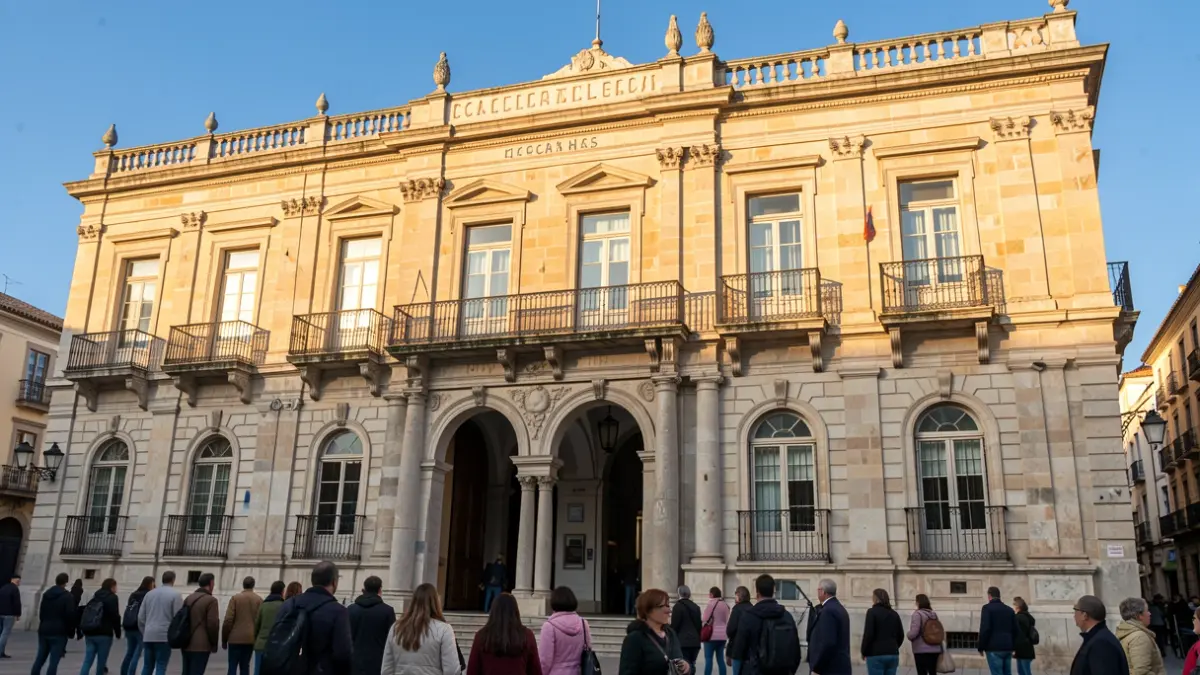
The Hospital Universitario Príncipe de Asturias in Alcalá de Henares experienced an exceptional day on June 18th, becoming one of the chosen venues in Spain for the premiere of the film Toy Story 5. The initiative, driven by Disney Spain, Pixar, and Italfarmaco, aimed to offer a cinematic experience to minors who, due to health reasons, cannot attend conventional movie theaters.
Admitted patients and children under pediatric follow-up or receiving educational support through the Hospital Classroom shared this exclusive screening, coinciding with the film's official release. Anticipation was palpable among attendees, many of whom have grown up with characters like Woody and Buzz Lightyear, who offered a special reunion before the general premiere.
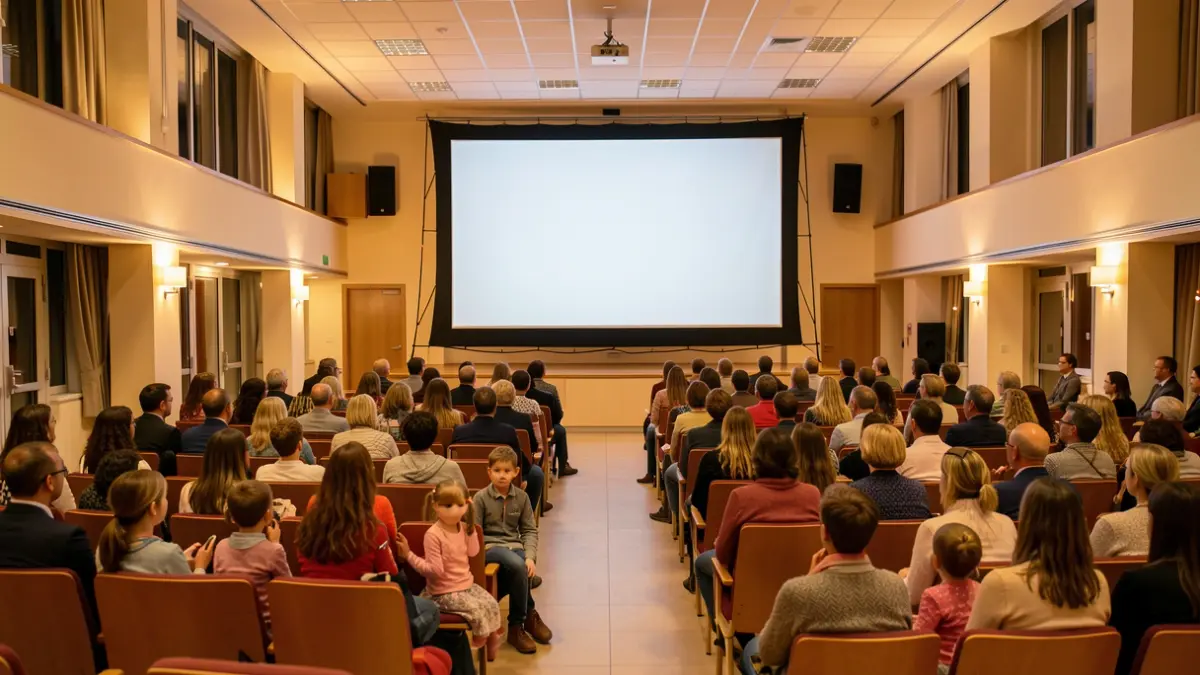
For ninety minutes, the Doctor Félix Bravo Auditorium of the hospital center was filled with families and children, who followed the new adventures of the popular toys on a makeshift screen. Laughter, surprise, and emotion temporarily replaced the usual medical routines, creating a festive atmosphere.
This hospital in Alcalá was one of the four Spanish centers selected for this experience, alongside La Paz, Niño Jesús, and Sant Joan de Déu. This fact underscores Príncipe de Asturias' commitment to the humanization of pediatric healthcare and its innovative initiatives.
The activity aligns with the hospital's strategy to improve the stay of patients, especially the youngest ones. The institution recognizes the importance of emotional well-being as an integral part of the recovery process, and considers cinema an effective tool for offering an escape from reality and stimulating imagination.