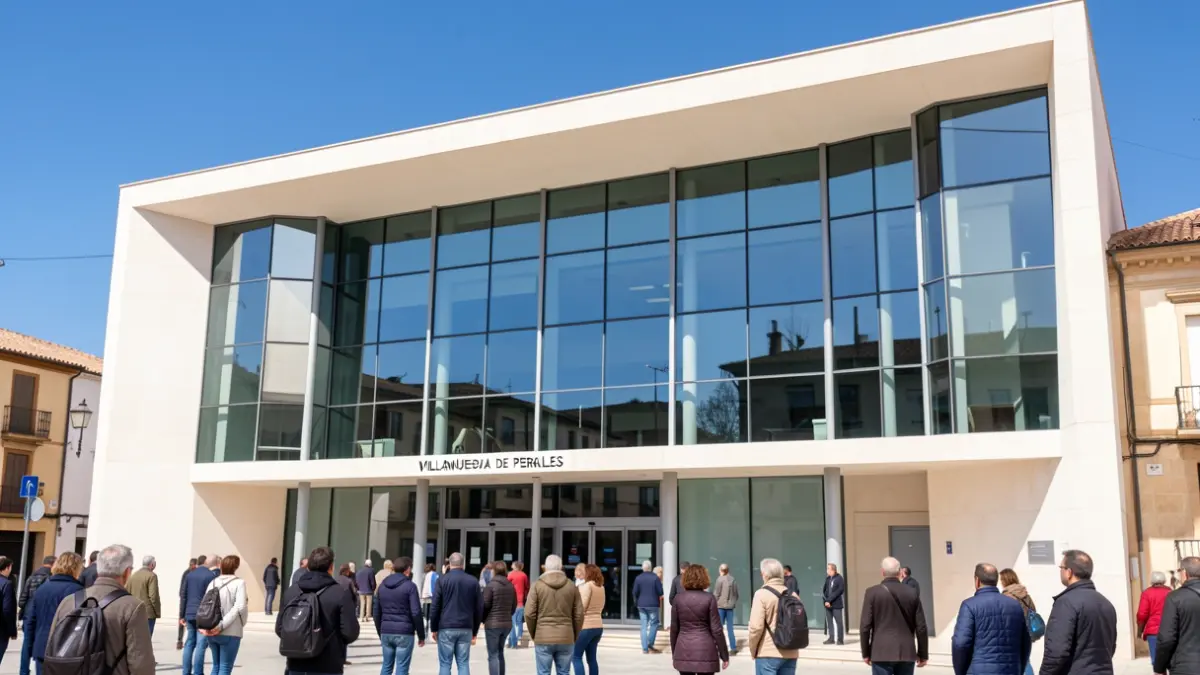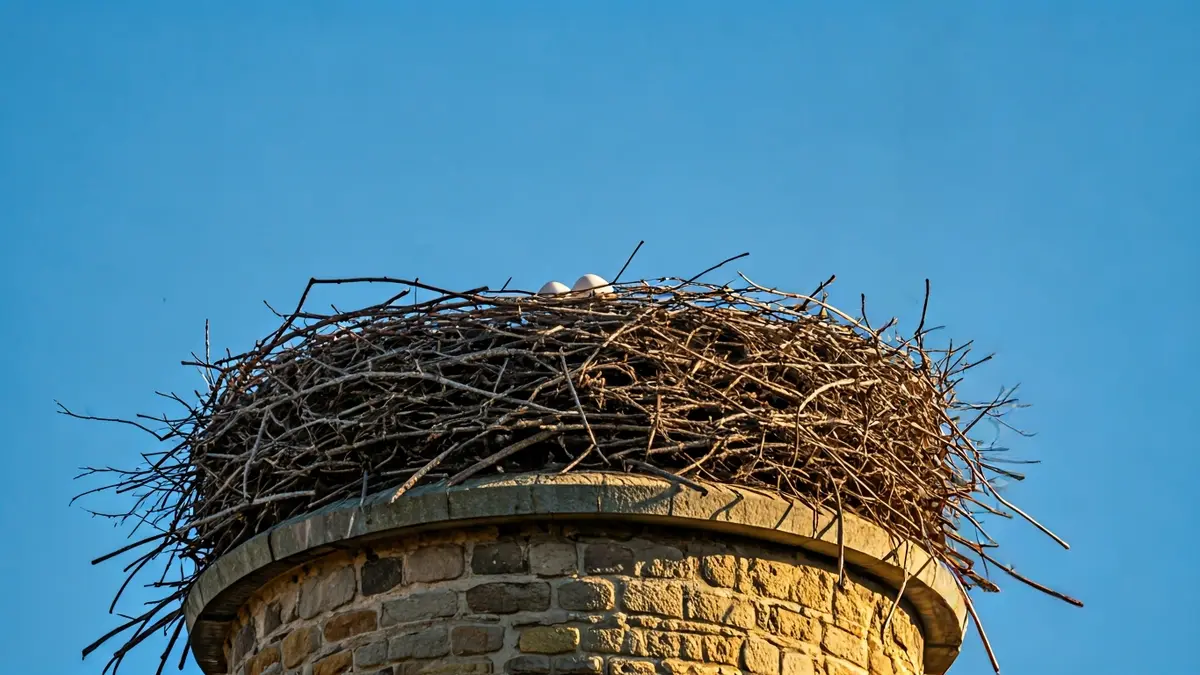
The organization, dedicated to the study and defense of these birds for over four decades, believes that the intervention, prompted by ongoing building renovations, should be postponed until July, after the breeding period concludes. This measure would only entail a three-month delay, according to the collective, which appeals to institutional responsibility in protecting urban wildlife.
It only means waiting three months.
The Ciconia Collective emphasizes that the stork breeding season runs from March to June, a period during which any actions affecting nests should be avoided. They highlight the importance of the City Council setting an example in adhering to these regulations. Furthermore, they underscore the symbolic and educational value of this particular nest, which has been monitored via webcam, enhancing Alcalá de Henares' international image.
The concern is heightened by the delicate state of the stork population in the city. An avian flu outbreak in December, near the Valdemingómez landfill, caused the death of over 1,000 specimens, including 56 storks from Alcalá. Preliminary census data from Ciconia show a decrease from 96 to 68 breeding pairs, an unprecedented decline in 44 years of monitoring, placing the population at levels similar to the late 1990s.
We have gone back 28 years in one season.
Given this critical situation, the Ciconia Collective urges the protection of every breeding pair and the avoidance of actions that could jeopardize breeding. They also stress the need to maintain the stork feeding station, active since the landfill's closure in 2020, which has been crucial for the colony's survival. They call on the City Council to ensure the continuity of this service, especially if the Mancomunidad de Basuras del Este, the current funder, does not renew its support beyond May.
The collective warns that the closure of the feeding station could lead to a drastic reduction in the stork population, impacting not only their ecological value but also their significance as a city symbol and tourist attraction. The Alcalá colony is recognized as one of the most important in an urban environment nationally and internationally. Therefore, Ciconia demands urgent measures for the species' conservation, starting with the halt of any intervention on active nests during the breeding period.