Raquel Rodríguez, general secretary of X-Alcorcón and president of Esmasa, has presented the Ministry of Transport and Sustainable Mobility with a proposal to bury the C-5 Commuter Rail line between San José de Valderas and Alcorcón Central. The initiative was put forward during a recent online meeting with ministry officials, including the Director General of Railway Planning and several technical staff.
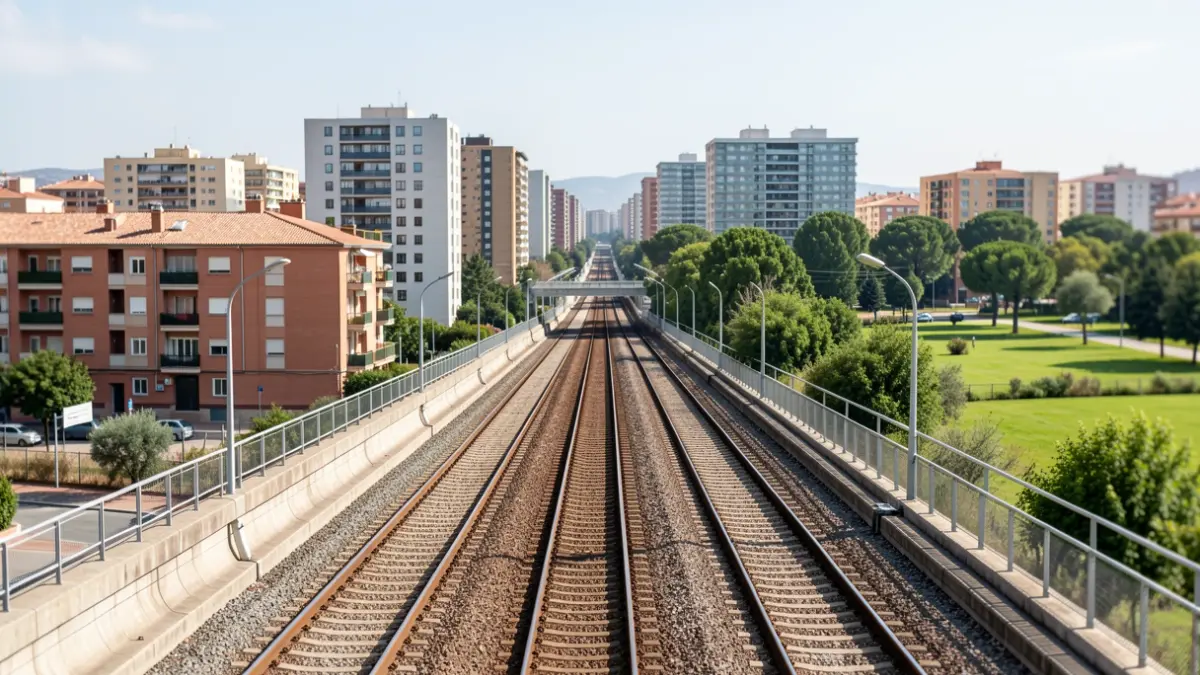
Rodríguez argued for the benefit of using the future infrastructure modernization to address its urban integration. According to the leader, the above-ground route acts as a "physical barrier" hindering pedestrian mobility, social cohesion, and public space planning, asserting that the line was designed during a period of rapid development without considering subsequent urban growth.
The proposal includes transforming the current railway space into new green areas, community spaces, pedestrian connections, and public facilities, with the goal of "stitching" the city together and improving residents' quality of life.
This initiative is linked to a broader plan that could involve the future burial of the A-5 highway as it passes through Alcorcón, as both infrastructures run parallel in that section. Joint integration would create a significant urban and environmental connection platform between the established city and the future Southwest Ecological Corridor.
Furthermore, Rodríguez highlighted a "historical debt" in infrastructure for the metropolitan south, criticizing the concentration of public and private investments in other areas of the region and labeling it as "systematic grievance" driven by successive regional governments of the PP.