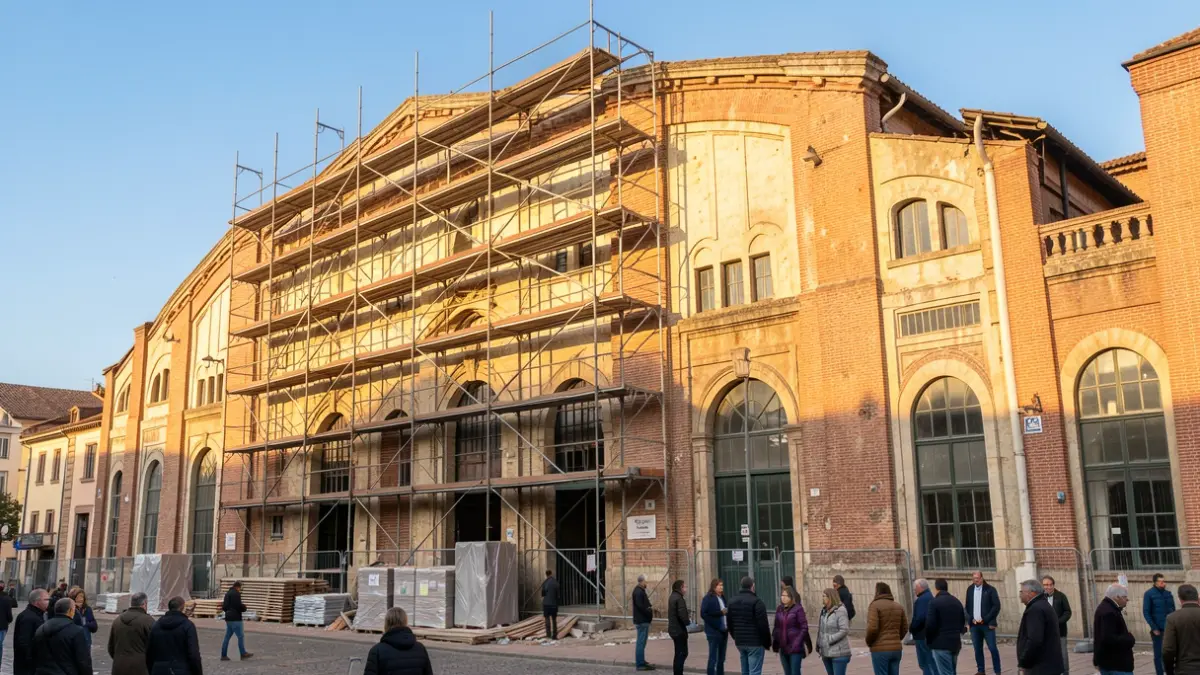
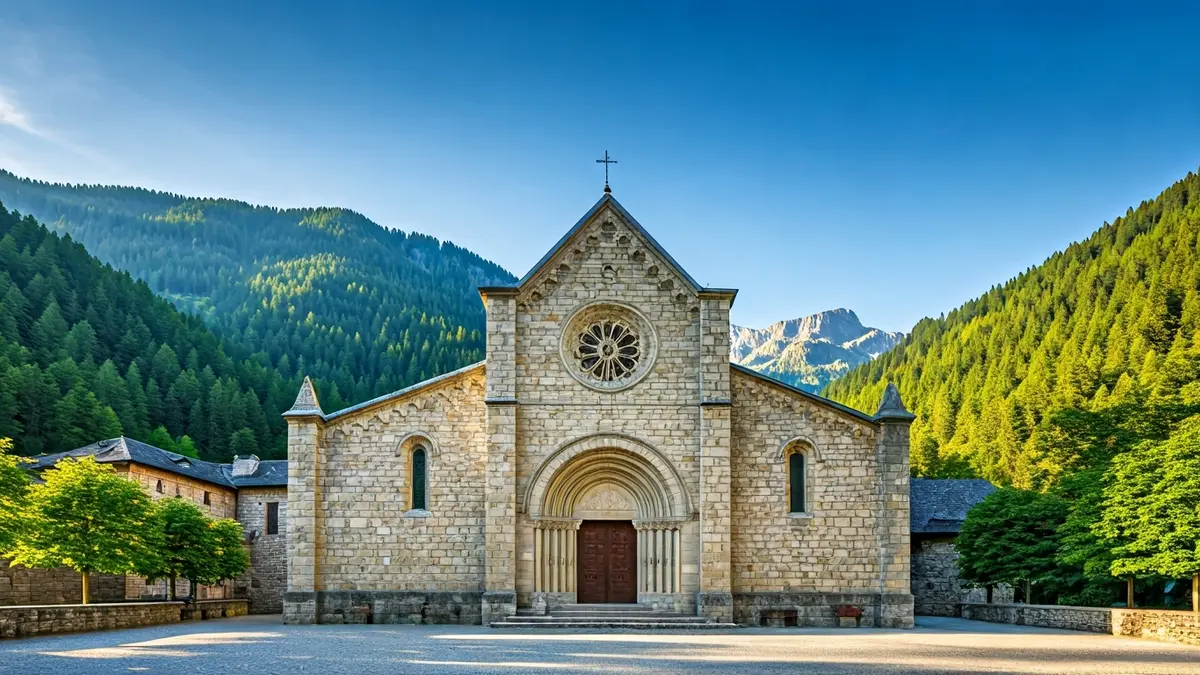
For years, the future of the Monastery of El Paular has been conditioned by administrative inaction and the influence of certain figures who, according to local perception, have exerted excessive control over the complex and its surroundings. This situation has hindered the development and revitalization of a heritage site closed since 2014.
One of the names highlighted in this context is Juan Vielva, whose professional career has been relevant in the management of the Peñalara area and the Sierra de Guadarrama National Park. However, his influence has been perceived by many as an obstacle, creating a climate of blockade against any initiative seeking to restore the old hotel, attract investment, and generate activity at the monastery.
El Paular cannot remain subordinate to anyone's personal interests, preferences, or plans. Such a way of acting does not protect El Paular; it freezes it. And a frozen heritage is an increasingly weak heritage, more costly to maintain, and more disconnected from the life of the territory to which it belongs.
The concern is not limited to disagreement over the management model but extends to the feeling that a network of influence has operated around El Paular, mixing institutional, personal, and relational interests in a way that is difficult to justify. The presence of Nuria Hijano in the management of cultural events linked to the monastery has also raised questions about the neutrality of certain decisions.
The recent departure of Juan Vielva from his responsibilities at the head of the National Park Research Center, scheduled for June 2025, marks a turning point. This change could explain the hardening of some positions, as those who have exerted prolonged influence do not always readily accept that their domain begins to function without their tutelage. Nevertheless, this situation is presented as an opportunity for Rascafría and the entire Lozoya Valley.
This new phase is envisioned without informal vetoes or self-proclaimed guardians of the monastery's destiny, and without blockade strategies disguised as moral superiority. The objective is clear: to allow the arrival of investments, activity, employment, and a prosperous future for El Paular. Defending its reopening and revitalization is not attacking its historical value but refusing to allow a heritage gem to remain closed and underutilized, held hostage by particular interests.