According to the platform, despite high water reserves in reservoirs, river flows have sharply declined over the past week. This situation exacerbates existing challenges for riverine wildlife, such as the numerous abandoned weirs that already obstruct fish passage in the rivers of the Community of Madrid.
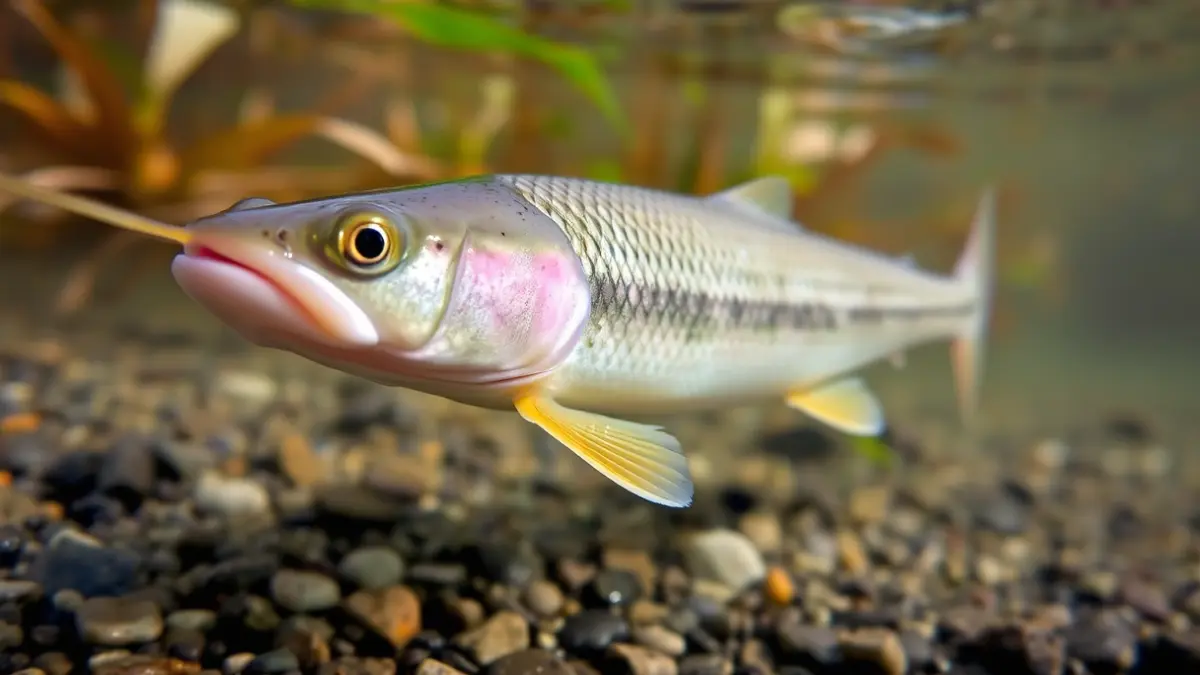
During this time of year, common barbels begin their upstream migration to reach spawning grounds. Ecologists criticize the Canal de Isabel II for not implementing seasonal reservoir releases, a measure outlined in the Tagus River Basin Hydrological Plan, which is crucial for riverbed regeneration and facilitating fish spawning.
“"It is evident that the Canal de Isabel II, which manages the headwater reservoirs of these rivers, is not releasing the necessary flows despite the historic stored water reserve exceeding 88% of its capacity, a level much higher than the historical average of 77% for these dates."
The Hydrological Plan mandates reservoir managers to replicate seasonal spring floods. These floods, naturally caused by snowmelt, are vital for regenerating riverbeds, cleaning channels, widening fluvial territory, and enabling the ascent of cyprinids like the common barbel. The platform notes that other native species, such as river bogas and cachos, have already disappeared, replaced by more opportunistic invasive exotic species adapted to slower currents.
Therefore, the Madrid Ecologist Platform urges the Canal de Isabel II to comply with hydrological legislation and release sufficient water flows. They emphasize the urgency of this action to facilitate current spawning and the need for it to be repeated annually, as stipulated in the Hydrological Plan, to ensure the survival of riverine fauna.