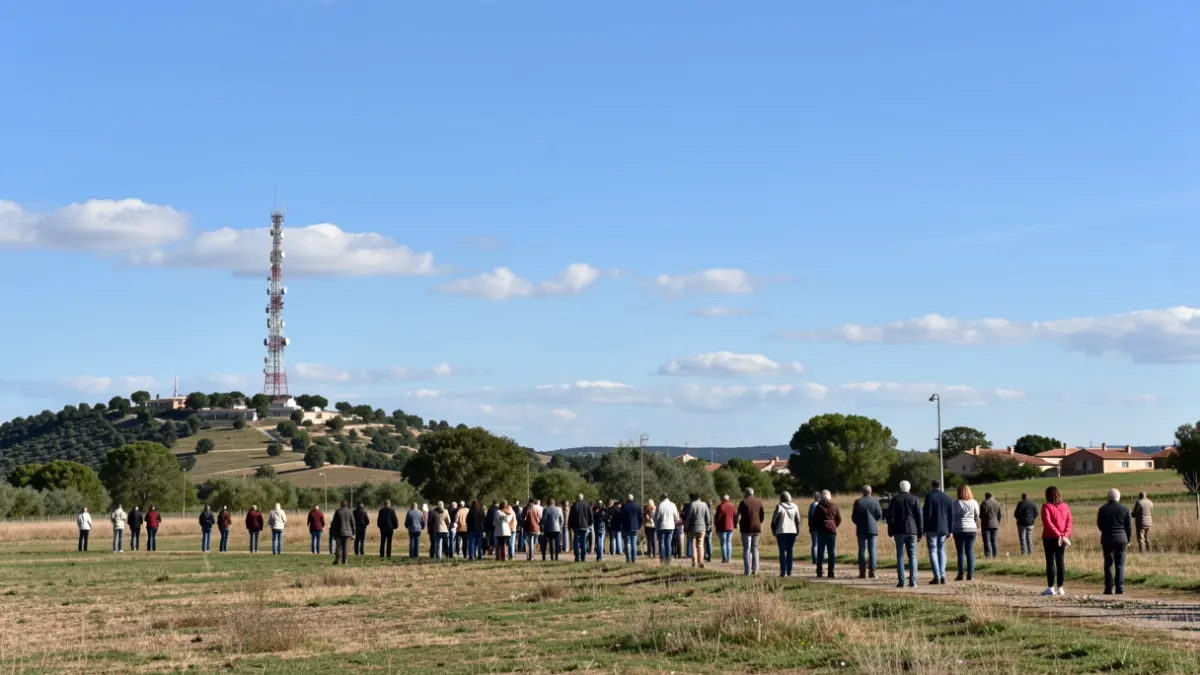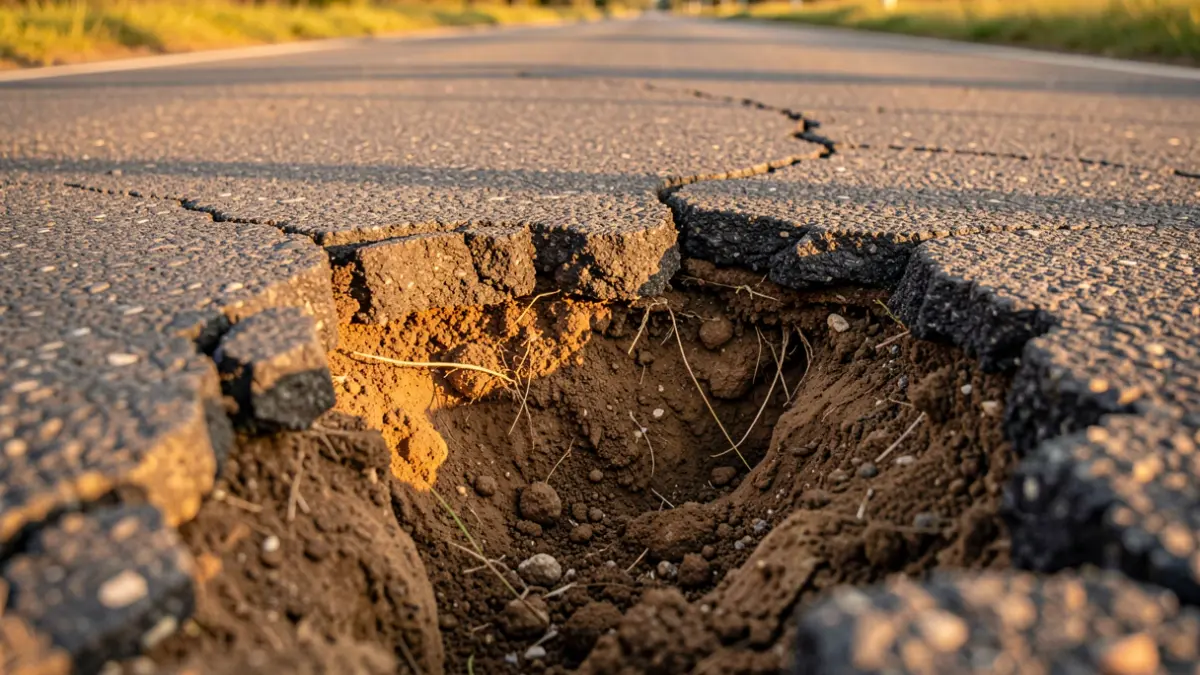
Residents from developments such as Virgen de Iciar, La Sacedilla, Parque de Clamart, Colonia Airesol, and Cerro del Aire, among other areas surrounding the Carretera del Plantío, express unease over indications of hydrogeological and geotechnical problems. These phenomena may be linked to groundwater circulation, ground saturation, and internal soil erosion, as suggested by previous incidents like the sinkhole near the station roundabout in 2021.
The most prudent technical hypothesis suggests the existence of a local water table or groundwater pockets, rather than a large deep aquifer. These perched aquifers and seasonal underground currents, within terrain composed of detrital materials like sands and clays, are sensitive to water presence. Intensive urbanization and linear infrastructures such as the A-6 highway and railway lines alter natural drainage, impermeabilize the ground, and increase hydraulic pressure. The combination of heavy rainfall, potential sewage leaks, and heavy traffic could be causing 'piping,' or internal soil erosion, creating underground voids that eventually cause surface collapse.
Factors such as urbanization over old riverbeds, seasonal humidity variations, aging underground infrastructure, continuous traffic, chronic leaks, and expansive clay soils exacerbate the situation. To detect active groundwater, specialized studies are recommended, including the installation of piezometers, water table measurements, ground-penetrating radar (GPR) to detect voids, electrical tomography, and robotic inspection of collectors.
Short-term solutions include urgent sealing of leaks, filling injections to stabilize the ground, provisional drainage, and continuous monitoring. Medium-term measures involve comprehensive renovation of the sewage system, creation of dynamic maps of underground currents and water tables, improvement of road foundations, and implementation of 'sponge' infrastructure to increase urban permeability. Repeated sinkholes, persistent cracks, or undulating road surfaces could indicate more serious structural issues.
Specialized geotechnical and hydrogeological firms in the Community of Madrid, such as Geointec and GMC Ingeniería SL, could be involved in these studies. The problem in Majadahonda appears to be a combination of groundwater, altered urban drainage, sewage leaks, and internal erosion, requiring a comprehensive urban subsurface strategy to prevent future subsidence.