Tres Cantos City Council is in the final stretch of its current term, having executed 95% of its electoral promises. The municipal management has been characterized by maintaining zero debt and controlled fiscal pressure. In this culminating stage, the local government is focusing on innovation, with the imminent signing of a pact for digital health and the implementation of pioneering urban regulations to consolidate the municipality as a hub for strategic data centers.
The municipality's economic policy has allowed for the approval of a historic budget of 83.9 million euros, a 25% increase from the previous year, without resorting to debt. A treasury surplus of 21.5 million euros, resulting from high budget execution, acts as a financial buffer. The first deputy mayor, Javier Juárez, stated that "the surplus does not translate into more taxes, but into better services and more investment with the least possible fiscal effort for the resident," aiming to protect purchasing power and foster the business sector.
In the social sphere, the council is strengthening its preventive assistance network with initiatives such as the Savia Plan for the elderly, programs against unwanted loneliness, the Juventa Plan, and a suicide prevention program. Next week, the Digital Health and Family Cohesion Plan will be presented, designed to manage the impact of technology and social media on the family unit, promoting its use to strengthen family ties.
Tres Cantos is positioning itself as a magnet for high-value-added sectors, including aerospace, audiovisual, healthcare, and technology. To regulate the growth of data centers and ensure their environmental and urban sustainability, a Special Data Center Plan will be published. The mayor has indicated that "more companies mean more wealth, more jobs, more residents, and better public services of excellence," aiming for the implementation of these technological infrastructures to generate a positive impact on the local economy.
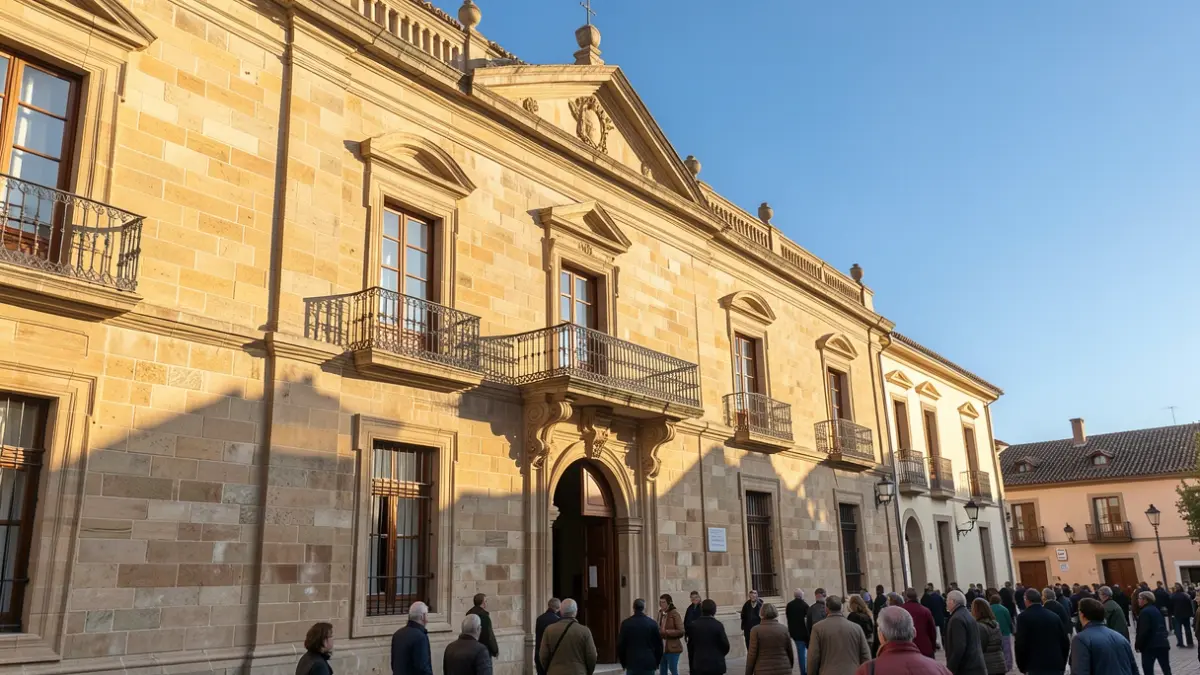
Projects such as the Metropolitan Park, the Urban Hall, the construction of a tenth public school, educational reforms, and the second commuter train station are reinforcing the municipality's landscape. The cultural axis of Paraninfo Park is advancing with the Familiteca, the Concha Espina Library, the new Children's School, and the future Gran Teatro Ciudad de Tres Cantos. Mayor Jesús Moreno describes these actions as "the greatest urban and social reform in the city's history, safeguarding a sustainable growth model."
Addressing the high demand for housing and healthcare, the municipality is increasing the supply of affordable rentals through the Plan Vive and the construction of protected housing under the Plan Solución Joven. In healthcare, the local network is being consolidated, with the imminent arrival of the HM Hospital and a public residence for the elderly planned.
The final year of the legislature anticipates political tensions, particularly regarding the state's imposition of a new waste tax, described by the council as "an ideological tax that attacks the fiscal autonomy of municipalities." Discontent also persists over Tres Cantos not being chosen as the headquarters for the Spanish Space Agency and the administrative block on IBM's microprocessor innovation project. The mayor has reaffirmed his commitment to "not slowing down Tres Cantos' dynamism" and maintaining "the trust of the residents."