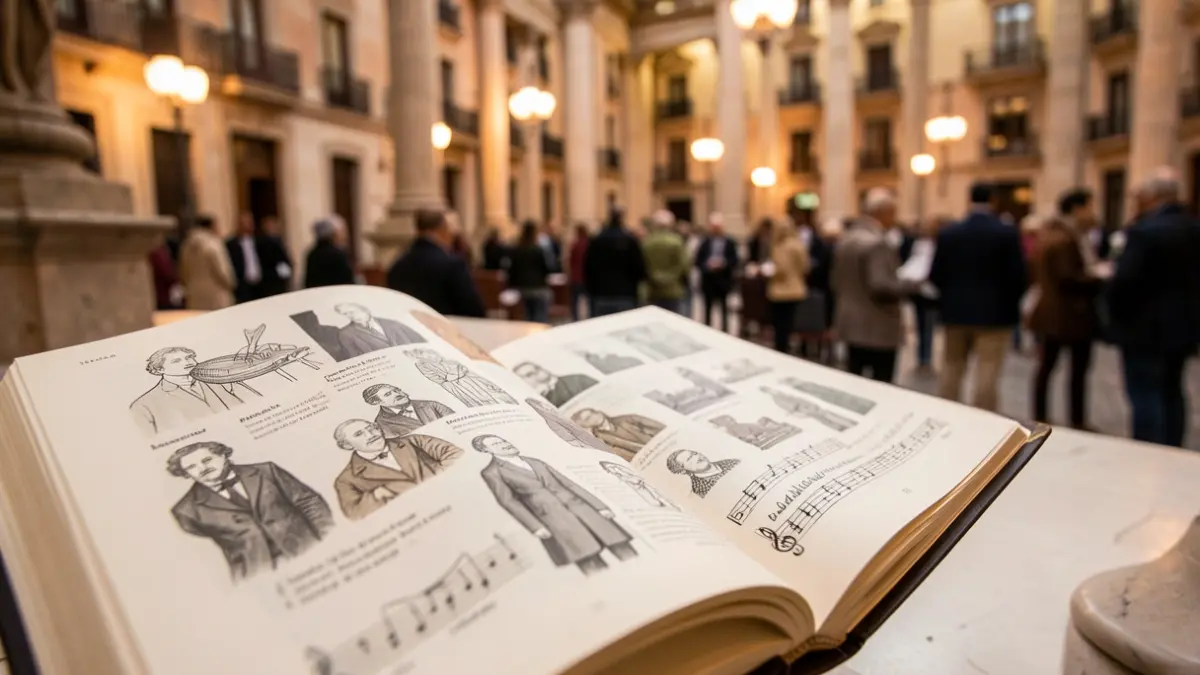
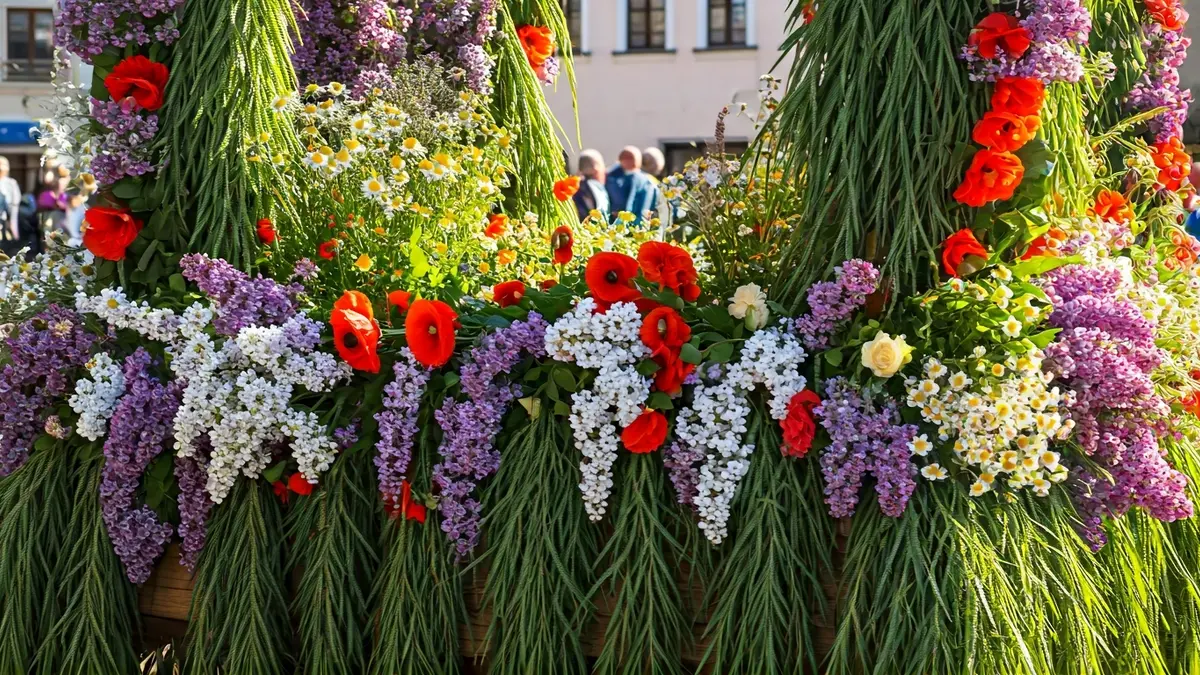
The event, organized by the City Council, will maintain its usual format, including various cultural and musical activities. The spotlight falls on six groups of girls, known as “Mayas,” who sit on altars decorated with flowers, symbolizing the arrival of spring and fertility.
The festive day will begin at 12:00 PM in the Plaza del Pueblo with the May 2nd Concert, performed by the Colmenar Viejo Symphonic Band, directed by Francisco Juan Rodríguez. In the afternoon, starting at 5:00 PM, the exhibition of the six Maya altars will open at different points in the urban center, enlivened by the music of the Aires Castellanos dulzaina players and the performance of the Colmenar Canta choir.
The altars will be located on Calle Feria, 13; Plaza del Pueblo (corner with Calle Prim and corner with Calle Feria); Calle Feria, next to the Chapel of Santa Ana; and Calle Marqués de Santillana, in the Portico. At 7:00 PM, the participants will proceed to the Basilica de la Asunción de Nuestra Señora for a floral offering, accompanied by the Colmenar Viejo Choir. The day will conclude with the diploma ceremony in the Plaza del Pueblo.
The Fiesta de La Maya has a historical origin dating back to before the Civil War, although it disappeared for years. It was in the late 1970s when the City Council promoted its revival, consolidating it as one of the most representative events on the local calendar. The preparation of the altars, which include wild flowers such as gorse, poppies, lilacs, daisies, and thyme, along with cultivated flowers and antique bedspreads, involves families weeks before the celebration.