The Madrid Metro network, which already boasts 302 stations, 12 lines, and 295 kilometers, ranks as the eighth largest in the world. This year, the allocated budget will fund significant works, expansions, and the acquisition of new trains worth 140 million euros.
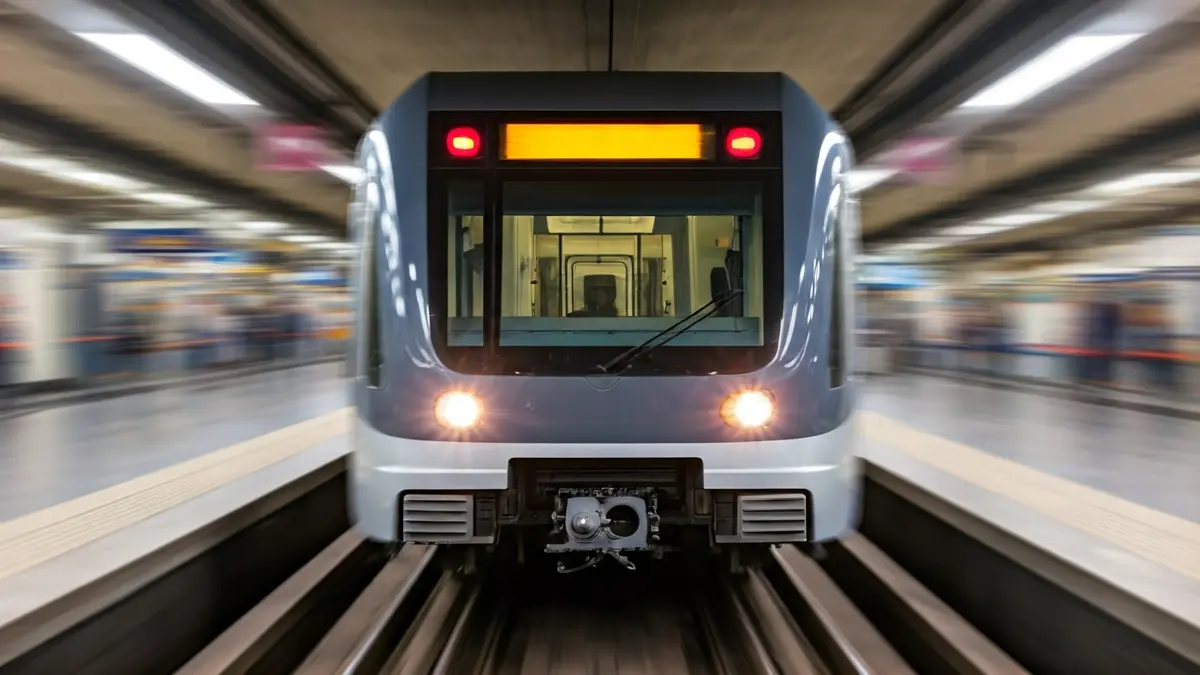
Line 6, known as the Circular Line and the most used in the network, is in the midst of an automation process. Following its reopening in December 2025, the installation of platform screen doors began in its 28 stations in January 2026. The first automatic trains are expected to arrive in summer 2026 for testing, with full automation scheduled for 2027. This will allow for driverless trains every two minutes during peak hours, increasing capacity by 18% and making it Spain's first automatic circular line.
The complete automation of Line 6 is scheduled for 2027. In 2026, platform screen doors are being installed and the first automatic trains are arriving for testing. Once operational, the Circular Line will have trains every 2 minutes during peak hours.
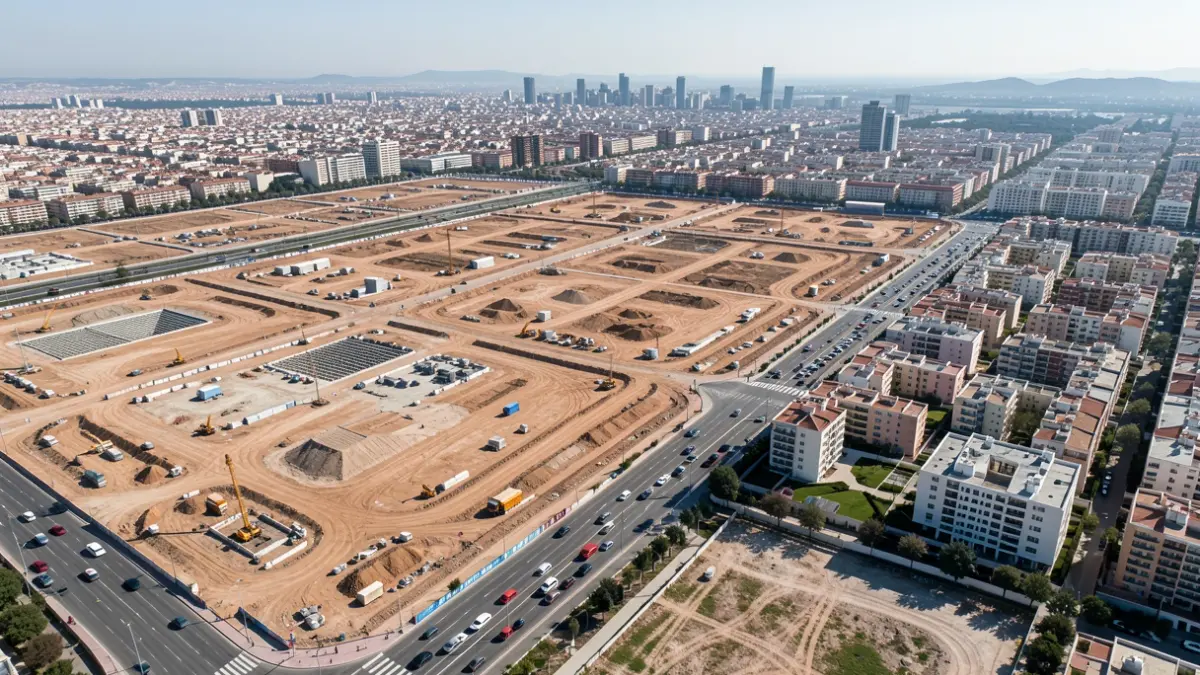
Another key project is Line 11, which aims to become Madrid's great diagonal, connecting the city from southwest to northeast. In 2026, the Mayrit tunnel boring machine is advancing on the section between Plaza Elíptica and Conde de Casal, with new stations at Comillas and Madrid Río under construction. Additionally, projects for the northern and southern sections will be drafted, with construction scheduled to begin in 2027.
The extension of Line 5 to Terminals T1, T2, and T3 of the airport is a long-standing demand that will become a reality in 2028. Works, which began in May 2025, are progressing with the excavation of an additional 1,100 meters of tunnel in 2026, which will make the airport the point with the most metro connections in the Madrid network.
Furthermore, new stations are being planned to serve key urban developments. In 2026, the project for a new Line 9 station in Los Berrocales and Los Ahijones will begin, with an investment of 659,357 euros and an expected opening in 2028-2029. A project for a Line 10 station in Operación Campamento was also tendered in December 2025, and 3.28 million euros will be allocated to drafting the design project for a new line for Madrid Nuevo Norte.
Finally, the Regional Transport Consortium will implement a new intelligent payment system in 2026, allowing travel validation with contactless bank cards, mobile phones, or QR codes, eliminating the need for a transport card. These improvements, along with the Station 4.0 model, aim to optimize the traveler's experience and reduce waiting times.