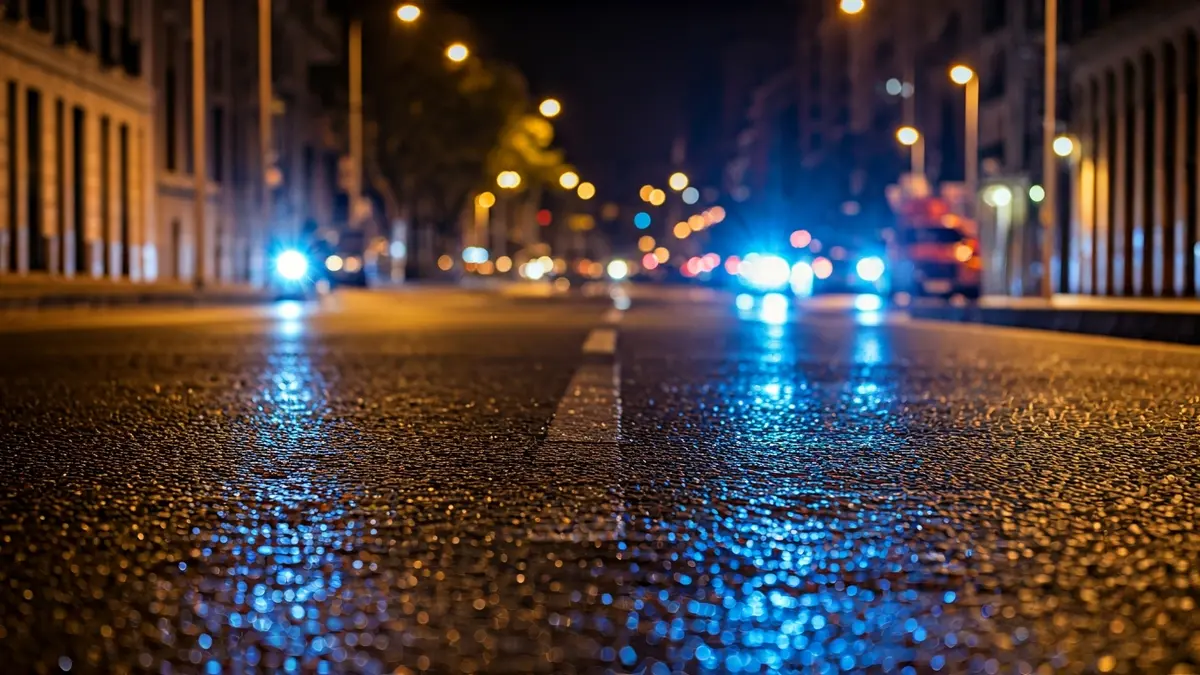
The initial session focused on jury selection and the presentation of preliminary reports by the Prosecutor's Office, private prosecutions, and defenses. The victim, who was returning home after his shift at Hospital Fundación Jiménez Díaz, collided with the defendants' vehicles at kilometer 11 of the tunnel, as they were driving at high speed and recklessly.
It was foreseeable that someone could die.
The prosecutor specializing in Road Safety described the events as “a conscious act” and not an accidental occurrence. According to his version, the defendants engaged in a dangerous race spanning almost four kilometers, performing risky maneuvers such as zigzag overtaking, sudden lane changes, and parallel driving.
One of the individuals tested positive for cocaine, cannabis, and other substances, in addition to lacking a driver's license. The other driver claims his drug consumption occurred after the incident. The private prosecutions, represented by the doctor's family, argue that this constitutes intentional homicide, asserting that the defendants were fully aware of the risk they posed.
For their part, the defenses questioned the validity of the speed measurements taken by the Municipal Police and the legal classification of the case. One lawyer argued that his client did not perform reckless maneuvers and was exposed to danger by the other party's driving. The second defendant's defense insisted that the events should be considered negligent homicide, without intent to cause death, and questioned the relevance of drug consumption in determining criminal responsibility.
The judicial process will continue with the presentation of images recorded by traffic cameras, witness and expert testimony, and other evidence. Following these proceedings, the popular jury will decide whether the events constitute intentional or negligent homicide.