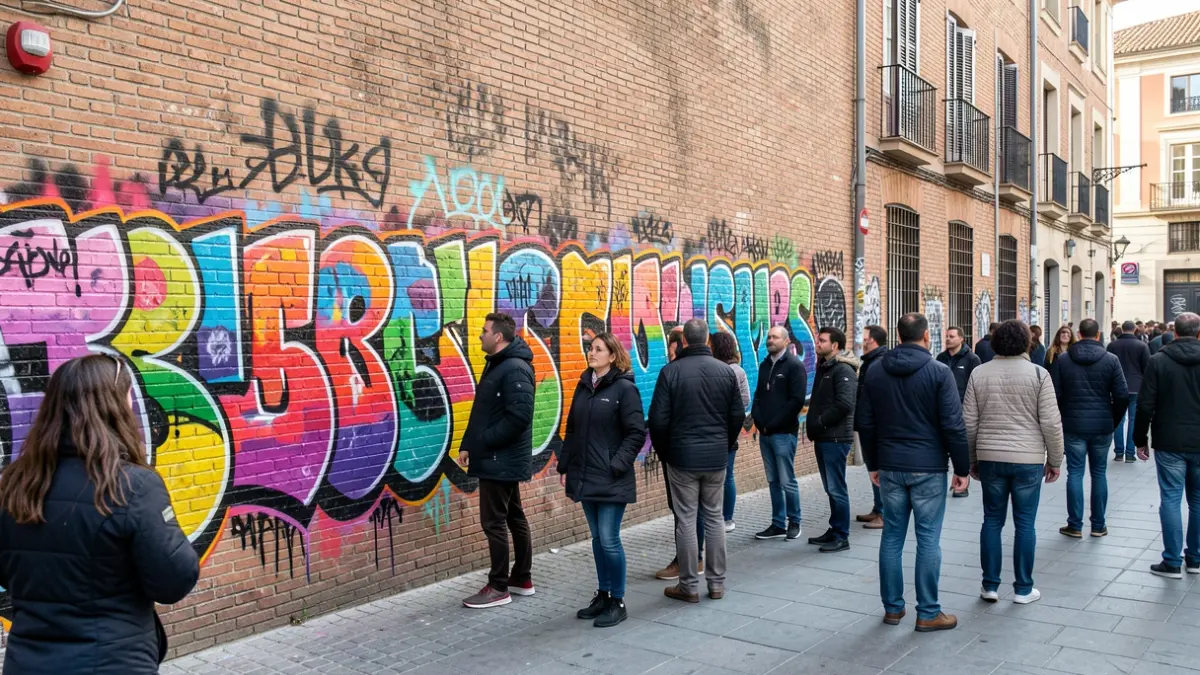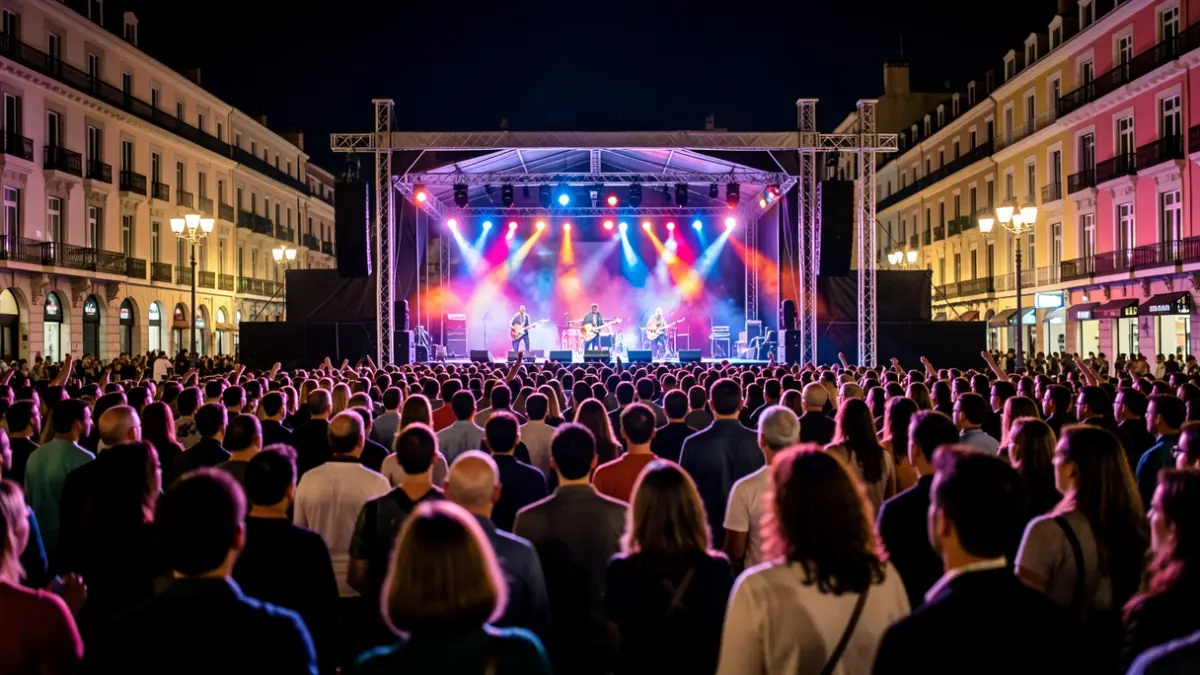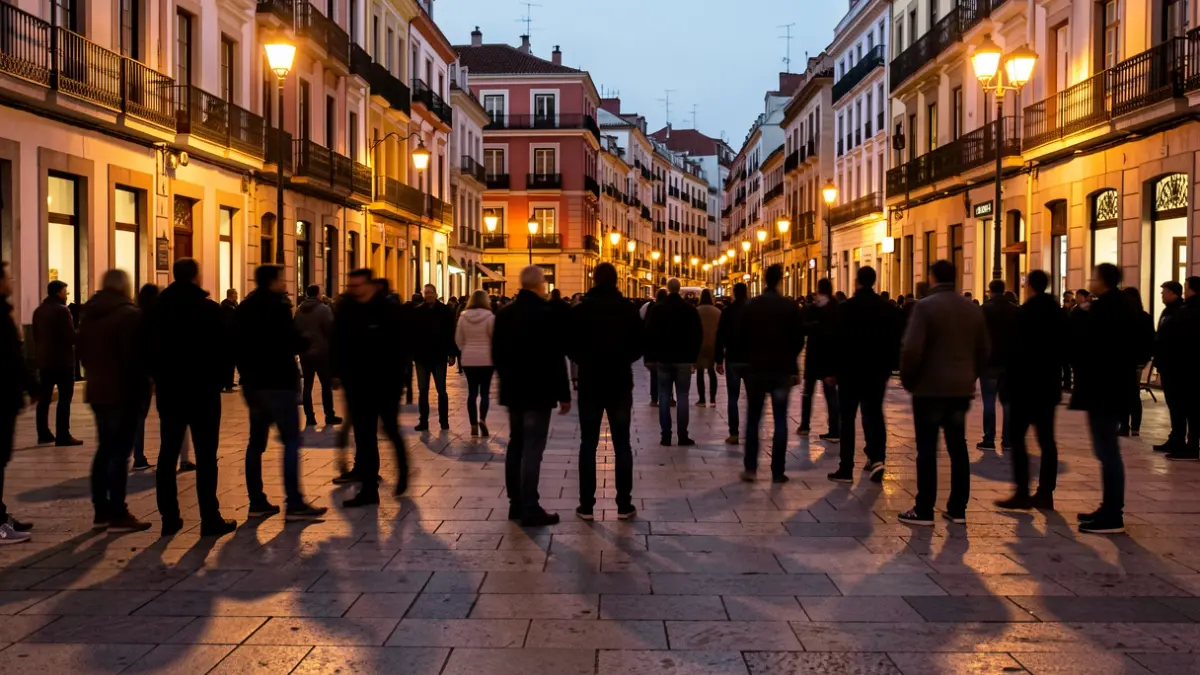
May 15, 2011, marked a turning point in the recent history of Madrid. What began as a demonstration called by the Democracia Real Ya platform led to an encampment at Puerta del Sol that quickly spread to the neighborhoods, consolidating a cycle of social mobilization that has endured through various assembly-based structures.
Currently, organizations such as the Carabanchel Popular Assembly or the neighborhood space El Sol de la Conce continue to operate under horizontal logic. These groups, which emerged during the protests, have adapted their activity to current needs, focusing their efforts on defending public services, housing, and labor self-defense in an urban context marked by rising prices.
“"It is not all as massive or as noisy as it was back then, but things are still happening."
The movement's communication branch has also shown remarkable resilience. Projects like Ágora Sol Radio and the publication Madrid en Acción remain active, serving as dissemination and cohesion tools for social collectives. Likewise, the 15M Archive, located at the Tres Peces Tres Social Center, preserves the documentary memory of that period, including posters and audiovisual records that have been exhibited in cultural institutions.
Despite the natural wear and tear after fifteen years of activity and the loss of some of its members, the spirit of 15M persists in the culture of mutual support. Collectives like the Yayoflautas continue to participate in public life, claiming social rights and maintaining a non-partisan but deeply political stance, focused on defending the future of the next generations.