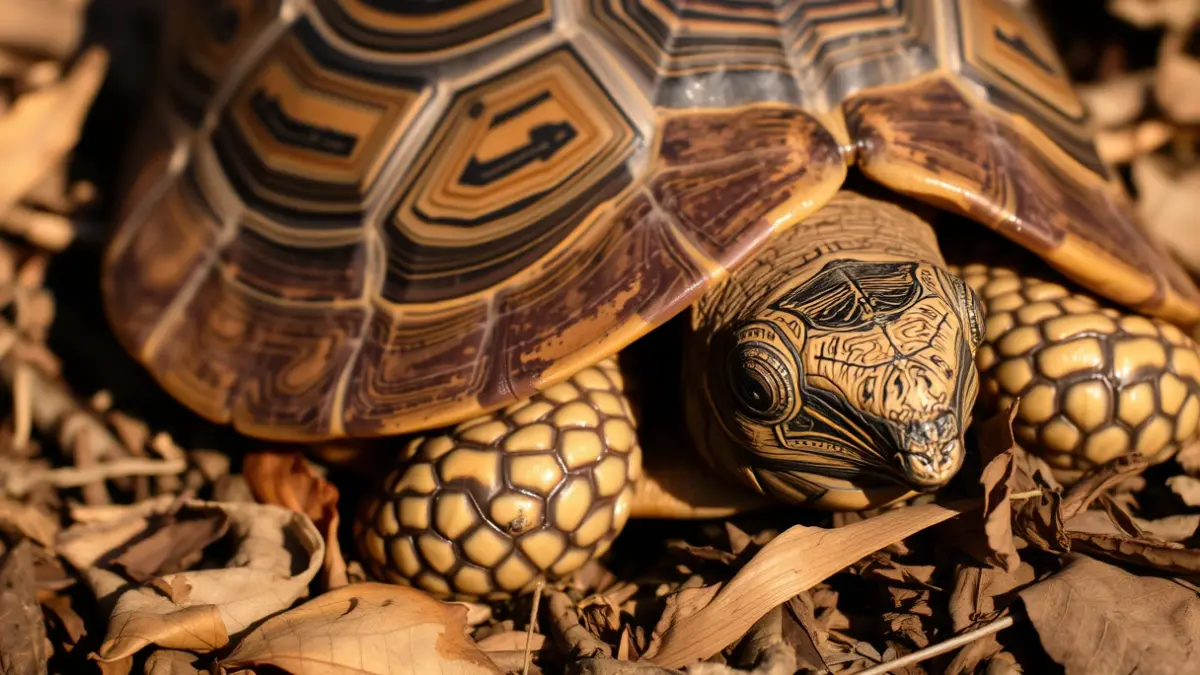
The story of Rodrigo, an African spurred tortoise, is one example of the many lives that have found sanctuary at CRAS. After being a family legacy brought to Spain during wartime, the tortoise arrived at the center when its last caretaker could no longer look after it. At CRAS, Rodrigo now enjoys a calm and safe routine, far from his origin but in a protected environment.
Since its inauguration in 2010, CRAS has been a fundamental pillar in the recovery and release of wild fauna, as well as in sheltering species that cannot return to their natural habitat. Its dedication has been recognized this year by the Community of Madrid with one of the Grand Crosses of the Order of Dos de Mayo, an award highlighting its important work.
“"Two types of animals enter the center: native ones, which are mainly birds (although we also care for mammals and amphibians); and exotic fauna, which people largely keep at home. The former are usually protected species that arrive at CRAS because they have been injured, fallen from a nest, or have some problem, and we try to recover them. We are like a hospital that tries to cure them and then release them back into nature."
The management of exotic fauna presents a particular challenge for the center's team. Many of these animals are abandoned or escape, arriving at CRAS with no possibility of being released into the wild. For them, the center seeks dignified outcomes, including an adoption program for those with proper documentation. However, the presence of dangerous, invasive, or contagious species complicates this task.
In addition to exotic species, CRAS cares for injured or sick native wild animals found in the Community of Madrid, from roe deer and foxes to wolves. Their work is crucial for biodiversity, recovering these animals for subsequent release. They also collaborate with airport areas like Madrid-Barajas, rescuing protected bird chicks at risk of collision with aircraft and raising them with the help of "foster mothers," two golden eagles that have facilitated the survival of numerous offspring.
The center also manages a bird sponsorship program, allowing citizens to follow the rehabilitation of a specific chick until its reintroduction. Likewise, they collect exotic animals released into the wild that threaten native species, such as snakes, ferrets, or raccoons. Education on responsible exotic animal ownership is fundamental, emphasizing the importance of documentation and knowledge of their origin and health.
The CRAS team also offers recommendations to those who find injured or sick wild animals, advising to cover them, not feed them, and transport them in a cardboard box. Their work goes beyond direct animal care, as they also manage around 900 health samples annually in collaboration with the Ministry of Health and the General Directorate of Agriculture, detecting emerging health risks and protecting public health.