Located at the geographical heart of the Iberian Peninsula, the Community of Madrid has successfully established itself as Spain's most powerful economy. This achievement is not accidental but the result of a strategic combination of factors including its historical capital status, a diversified business fabric, first-class infrastructure, and a constant attraction of talent and population, both nationally and internationally.
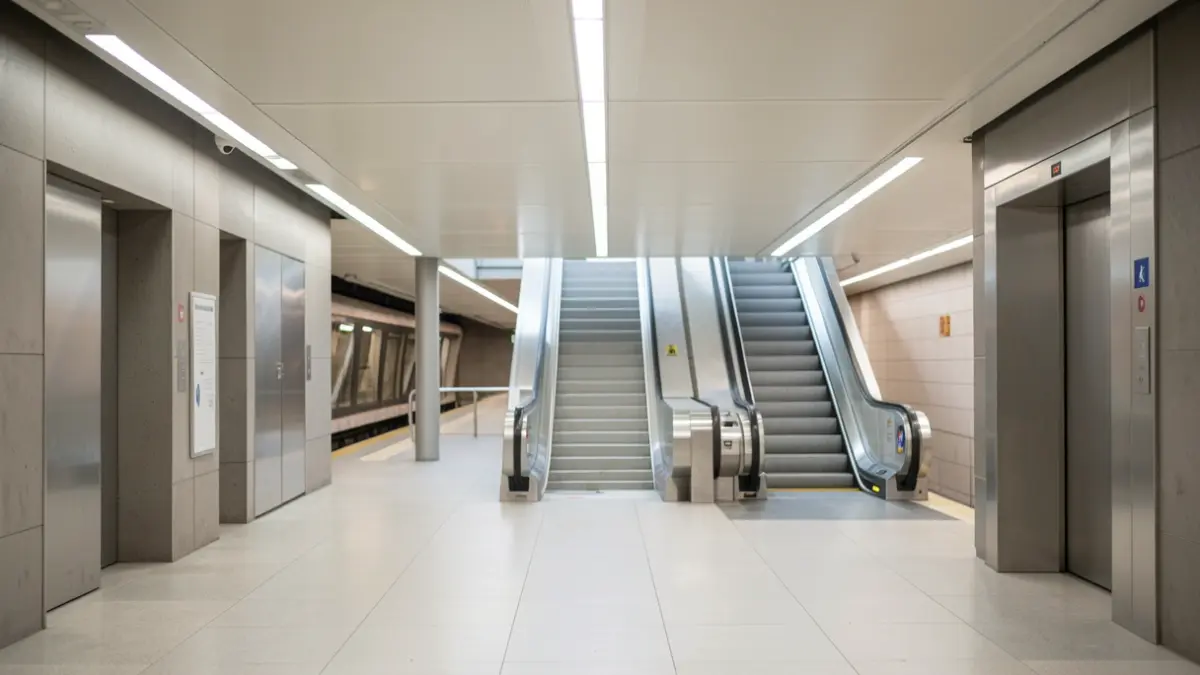
Spanning 8,028 square kilometers and comprising 179 municipalities, the region is home to over 7 million inhabitants, making it the most densely populated area in the country, excluding autonomous cities. Its demographic growth is one of the most notable. Key infrastructures such as Adolfo Suárez Madrid-Barajas Airport, Spain's most extensive Cercanías commuter rail network, the largest business cluster on the peninsula, and prestigious universities, all contribute to the region concentrating approximately 20% of the national GDP.
The Community of Madrid has the highest GDP per capita in Spain, above the European Union average. Its main economic sectors are services — finance, consulting, technology, tourism, commerce — although it also has a significant industrial fabric in the southern municipalities and the Henares corridor.
The geographical diversity of the Community of Madrid is remarkable, ranging from the peaks of the Sierra de Guadarrama to the north, with altitudes exceeding 2,000 meters, to the central plain where the capital is located, experiencing summers that regularly reach 38-40 degrees Celsius. This variety translates into microclimates and distinct local economies, from mountain municipalities like Cercedilla or Navacerrada, to those in the Henares corridor such as Alcalá de Henares or Torrejón de Ardoz, or the industrial south like Leganés and Getafe.
Population distribution is heterogeneous: Madrid capital concentrates over 3.3 million inhabitants, while the 20 largest municipalities add another 2 million. The remaining 158 municipalities, mostly villages, house less than a million people. This configuration creates urban planning challenges, with the need for housing and services in the metropolitan area and the fight against depopulation in rural areas.
Adolfo Suárez Madrid-Barajas Airport, with a capacity for over 60 million passengers annually, is a fundamental pillar for the region's competitiveness, facilitating global connections and attracting multinational companies. The choice of residence between the capital and surrounding municipalities offers diverse options, from the urban life of Madrid to the tranquility of the mountains or the industrial opportunities of the Henares corridor.