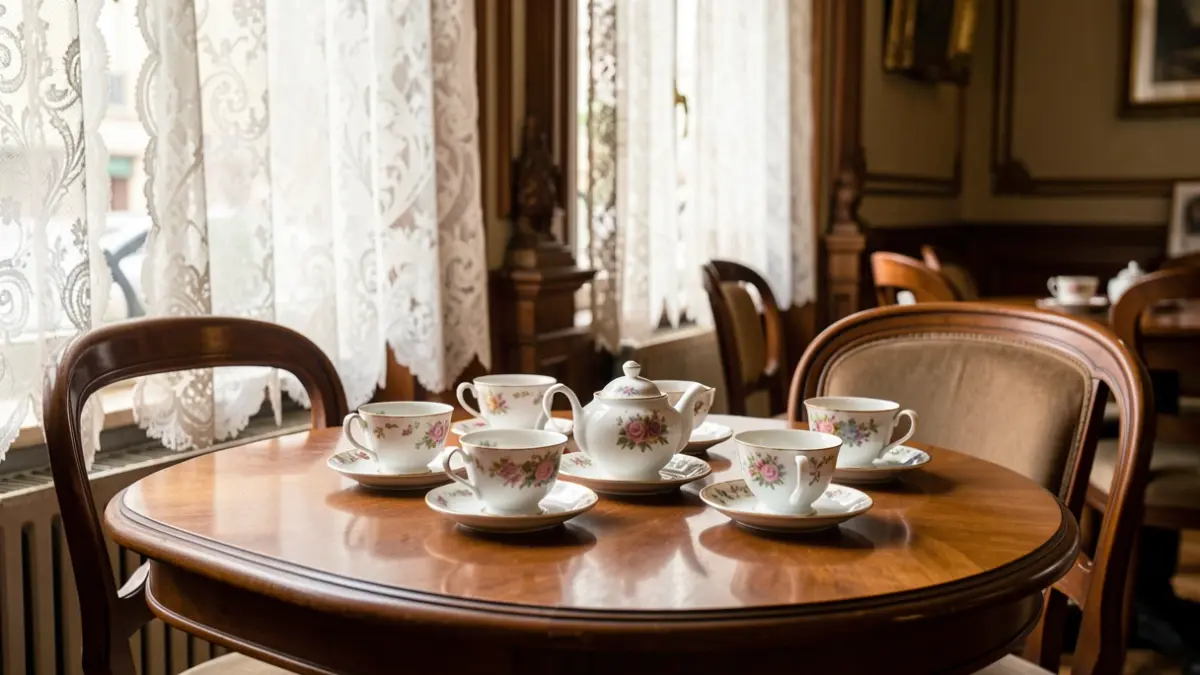
Long before matcha, 'detox' infusions, or minimalist aesthetic cafes became popular, drinking tea in Madrid meant something entirely different. Far from being a fleeting trend or a functional beverage, tea represented a leisurely ritual, associated with elegant lounges, long afternoon teas, and conversations that seemed to follow the slow rhythm of spoons against porcelain.
Madrid has never been a city particularly known for its tea culture. Perhaps for this reason, the beverage developed a unique atmosphere around it. Tea began to be introduced in the capital between the 18th and 19th centuries, arriving with a foreign and sophisticated air. While coffee established itself as the preferred drink for political and journalistic gatherings, tea maintained a more refined and serene image.
Elegant afternoon teas found their place in lounges, hotels, and pastry shops, where conversation and the beverage were equally important. This ritual was characterized by delicate tableware, exquisite pastries, impeccably dressed waiters, and afternoons that unfolded at a more unhurried pace than the rest of the city.
One of the epicenters of this tradition was Embassy, which for decades stood as a symbol of Madrid's afternoon tea scene, attracting diplomats, aristocrats, journalists, and cultural figures. The most common varieties were black teas from China or India, often served with sugar, milk, or lemon. Aromatic blends like Earl Grey also gained popularity in more cosmopolitan circles.
However, tea transcended being just a drink. It represented a need to find spaces of calm in an increasingly modern, fast-paced, and nocturnal Madrid. The tea ritual offered precisely that: slow time amidst a city in constant acceleration.
Today, tea has returned to Madrid in new forms: Japanese matcha, Taiwanese bubble tea, wellness infusions, and cafes designed for Instagram. Despite this new urban landscape, the essence of those old afternoon teas persists: the need to pause time, even for a moment, in a city that never stops moving.