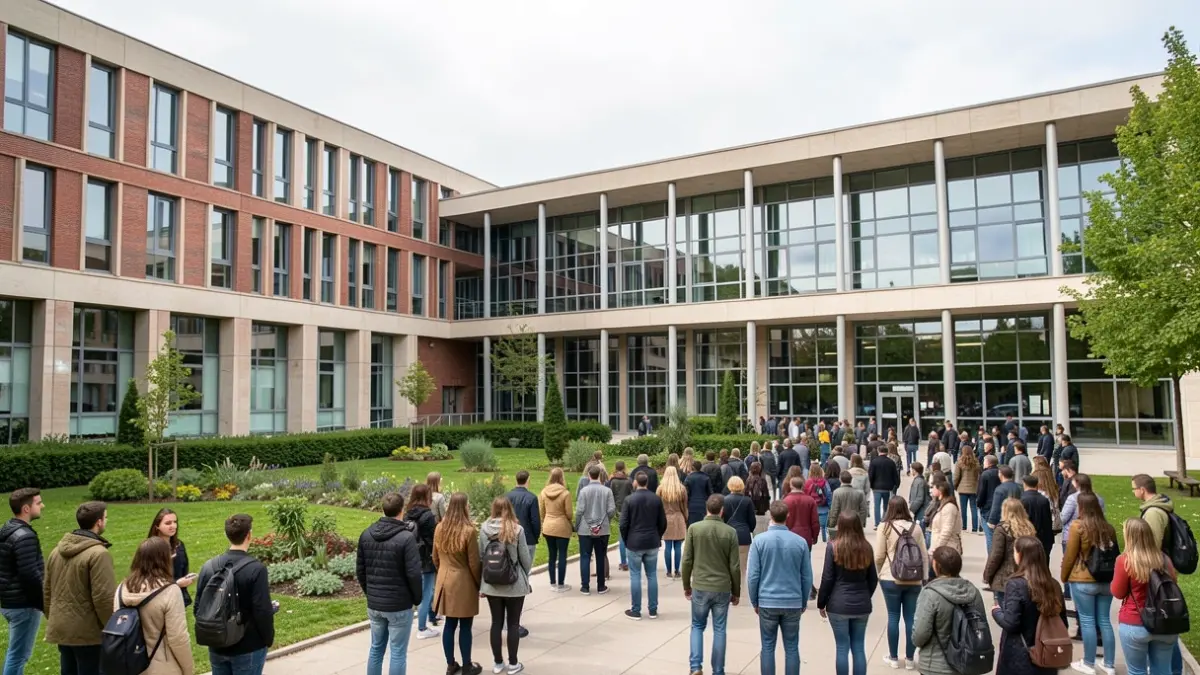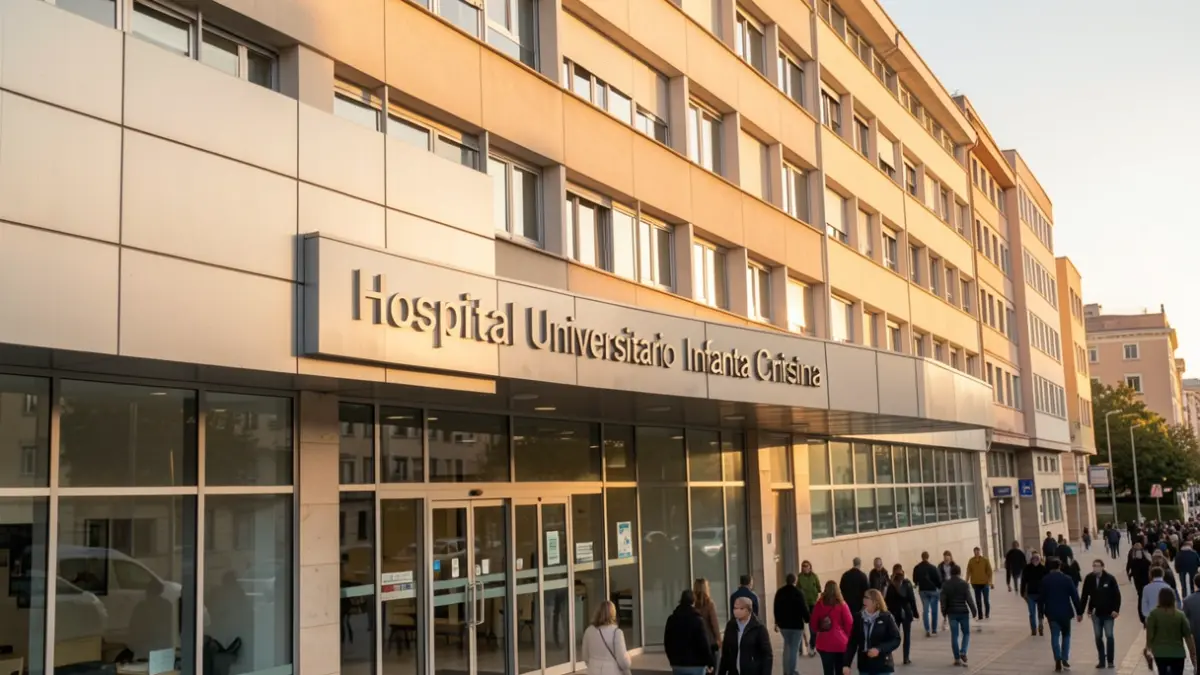
For two consecutive days, educational centers in Madrid, including public, semi-private, and private institutions, will conduct these evaluations. The goal is to gain a clear understanding of current school performance and identify potential areas for improvement within the educational system of the Community of Madrid.
These tests are not limited to data memorization but delve into the acquisition of key competencies such as linguistic communication, foreign language proficiency, and mathematical reasoning. They also cover cutting-edge areas like science, technology, and engineering, considered fundamental for the 21st century, and assess students' personal and social skills for holistic development.
While state regulations mandate the evaluation of students in 4th grade Primary and 2nd year Secondary, the regional government has expanded the scope to include students in 6th grade Primary and 4th year ESO. This decision allows for a comparison of academic evolution from intermediate courses to the end of basic education, ensuring comprehensive monitoring.
In Primary education, assessments focus on Spanish language and literature, mathematics, social sciences, and English. For ESO, these subjects are maintained, with the addition of geography and history, aiming to verify that young people in Madrid possess the necessary tools to interpret the world and communicate effectively.
The rigor of the tests is ensured by a supervision structure involving teachers from each center, educational inspection, and territorial area directorates. The General Directorate of Bilingualism and Quality of Education coordinates this process to ensure fairness and transparency throughout the region.
The results of these evaluations will be used to design specific reinforcement plans in schools. If a collective weakness is detected in a particular subject, schools and institutes can adjust their pedagogical methods or intensify support, acting as a self-diagnosis mechanism to improve academic performance based on evidence.
This evaluation model is in its third consecutive year in the Community of Madrid, providing a solid database to observe trends and assess the effectiveness of implemented educational policies. The continuity of this system aims for a more prepared school that is aware of its challenges.