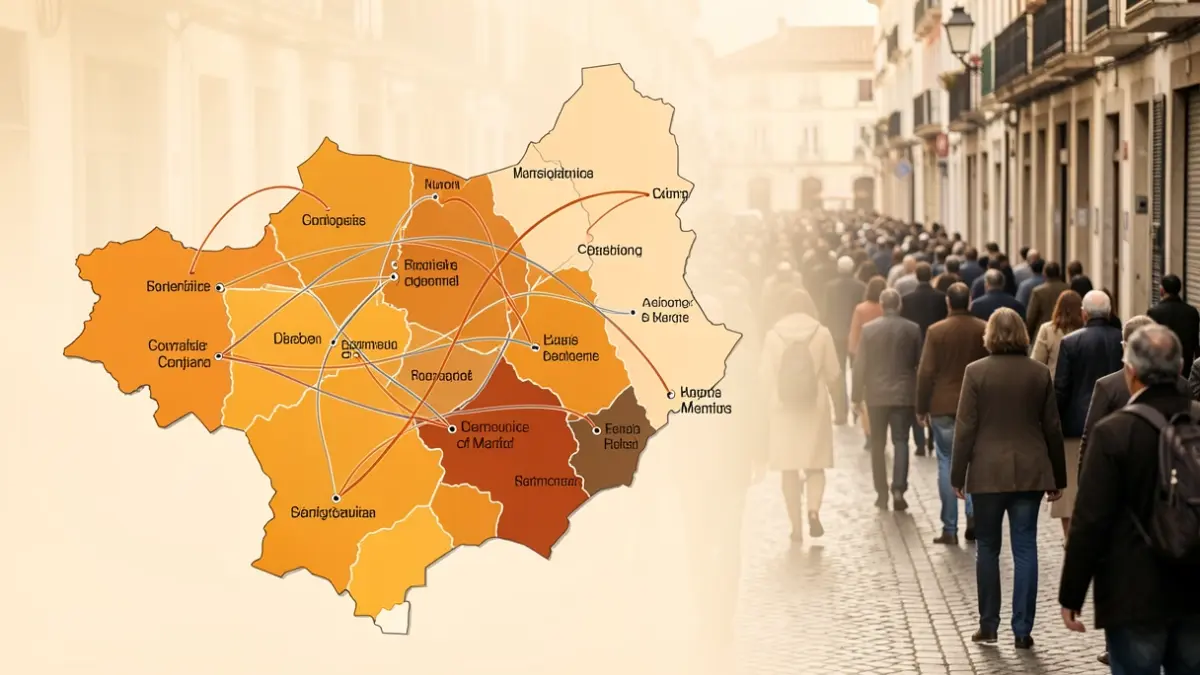
These figures emerge from the II Report on Barriers to the National Health System for Vulnerable Populations, presented by the Madrid Network for the Fight Against Poverty and Social Exclusion (EAPN). The study, developed in collaboration with organizations such as Hogar Sí, Médicos del Mundo, and the Spanish Commission for Refugee Aid (CEAR), defines a barrier as any situation that hinders or prevents normalized access to healthcare.
According to documentation from Médicos del Mundo, each affected individual faced an average of 2.75 barriers. The lack of official registration (empadronamiento) stands out as the primary impediment, as it is an essential requirement for accessing public healthcare, demanding a valid passport and proof of address.
Many migrant individuals face difficulties meeting these requirements due to a lack of documentation or adequate housing, often living in overcrowded conditions, without rental contracts in their name or formalized access to basic services, which prevents them from providing necessary proof of residency.
The report also indicates that people in extremely vulnerable situations often lack documentation, either because they fled their countries of origin or had their documents stolen while living on the streets.
In addition to administrative barriers, economic obstacles were identified, where affected individuals cannot afford treatments or medical care. Physical barriers, such as the absence of nearby health centers or restricted service hours, also impede access. Cultural barriers, where the system is not sensitive to the needs of diverse populations, and informational barriers, due to a lack of clear and understandable information on how to access services, were also noted.
“"This has made it very difficult; sometimes they don't even consider going to the health center for fear of being rejected or not knowing the mechanisms well. There is a great lack of information for people; above all, a narrative has been cultivated that undocumented migrants will never have access to the system."
Daniel García, from the Madreña Family Medicine Association of Madrid and working at a health center in Puente Vallecas, criticized the Community of Madrid's policy, which, he claims, hinders healthcare access under the pretext of preventing health tourism. In response, EAPN has urged the Ministry of Health to reverse measures deemed regressive and infringing upon the right to health for the migrant population.