The metropolitan company has issued a new addendum prolonging the renovation work on the track superstructure, initially scheduled to conclude in September. Now, due to an “error” detected in the planning, the works will be extended by an additional two months, finishing in November.
This section, which includes the Méndez Álvaro station, is part of a larger project for the automation of Line 6, expected to be operational by 2027. The initial duration of the comprehensive renovation was 18 months, from November 22, 2024, to May 21, 2026.
“"The ongoing track work in some sections and depots is carried out at night to avoid affecting passenger service, and the forecast is that it will be completed by the end of the year."
The same sources clarified that the contract extension is not attributable to the UTE formed by COMSA and TECSA Empresa Constructora, but rather to the planning and prioritization of tasks. These are “finishing touches and adjustments” that were already planned to be executed during night hours.
The subway operator assures that this extension will not cause any delay in the overall automation project. The pending tasks, which were not completed during the service closures in December, were not a priority at that time. Line 6, the most used by Madrid residents, fully resumed circulation across its 28 stations on December 20, marking the end of the first phase for its conversion into the first driverless line.
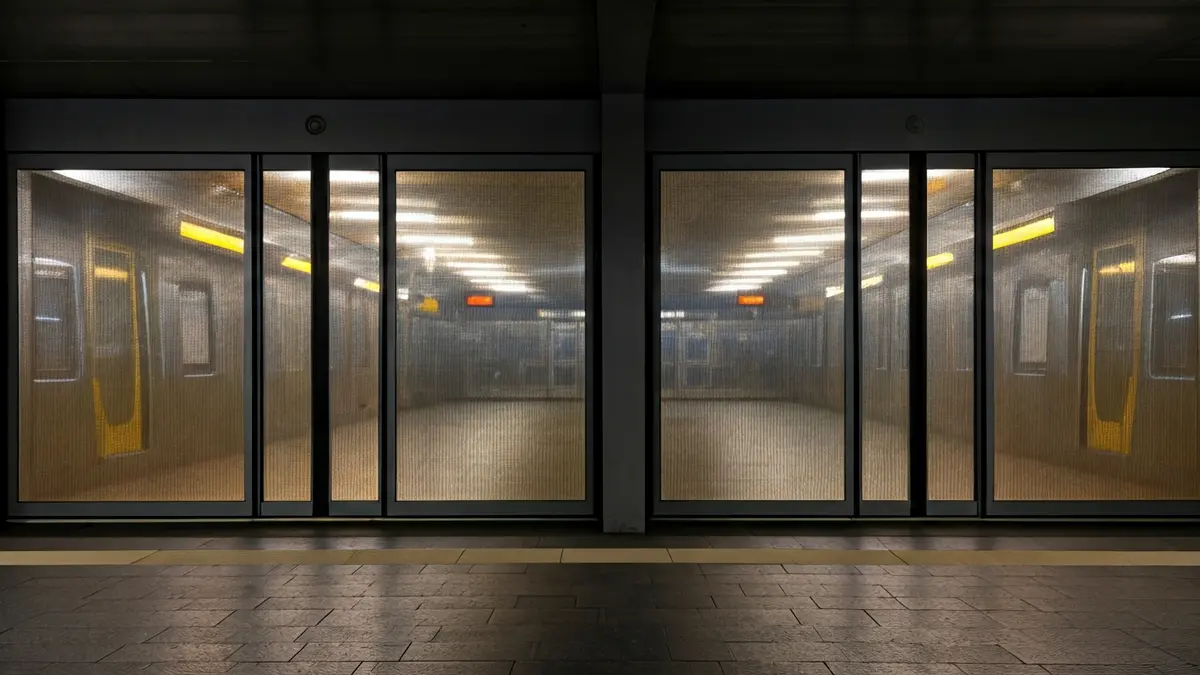
Currently, Metro de Madrid is also installing platform screen doors during night hours, without affecting train circulation. These doors, built with anti-vandal components and transparent, aim to improve safety and allow for higher train entry speeds. More than 1,600 doors are expected to be installed across 70 platforms during 2026.
The third phase of the project will begin in June or July with the arrival of 40 new trains manufactured by CAF. These trains, featuring semi-automatic operation and no driver's cabin, will begin testing in July 2027 and transport passengers that same year. They will be wider, increasing capacity by 17%, and faster, with an average speed of up to 110 km/h and a frequency of every two minutes.