The thirteen dams managed by Canal de Isabel II hold 832.2 hectometers cubed, a figure 11.2 points above the historical average for this time of year. This favorable situation occurs even though March saw 29.2% less rainfall than usual, recording only 42.4 liters per square meter.
The reduced rainfall also affected the flow of rivers feeding the reservoirs, with an input of 87.4 hectometers cubed, 28.9% below the average. However, accumulated reserves from previous months have compensated for this decrease, maintaining reservoir levels in a strong position.
Water consumption per inhabitant in Madrid has decreased by more than 30% since the last major drought in 2005, thanks to a sustained strategy of saving and efficiency.
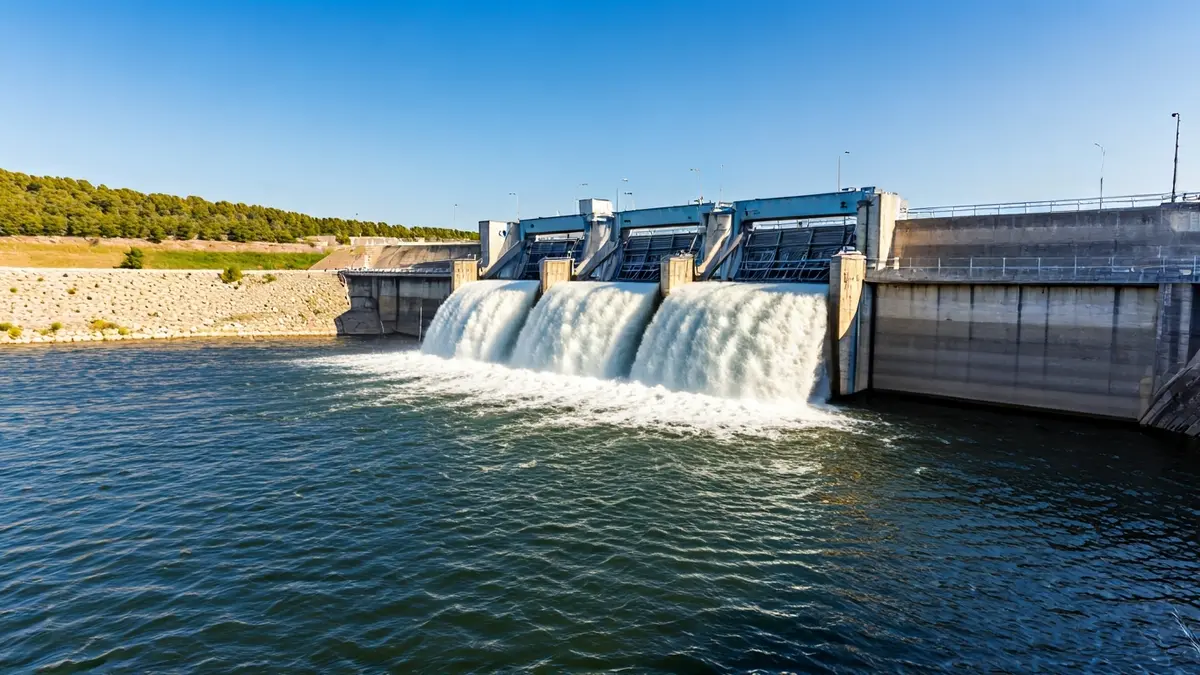
Currently, only the Manzanares El Real dam is releasing water at a reduced flow, indicating the good health of Madrid's water system and no need to regulate rivers due to flood risk. Citizens can check the status of water releases on the official Canal de Isabel II website.
Despite this positive outlook, water consumption in March 2026 increased by 7.1% compared to the same month last year, rising from 35.6 hm³ to 38.1 hm³. Although this rebound does not currently compromise supply, Canal de Isabel II reiterates the importance of responsible consumption.
Since the 2005 drought, the region has implemented measures such as water reuse, pipe renovation, and active leak detection, achieving a per capita consumption reduction of over 30%. The Community of Madrid faces the summer with guaranteed stable water supply, thanks to these high reserves.