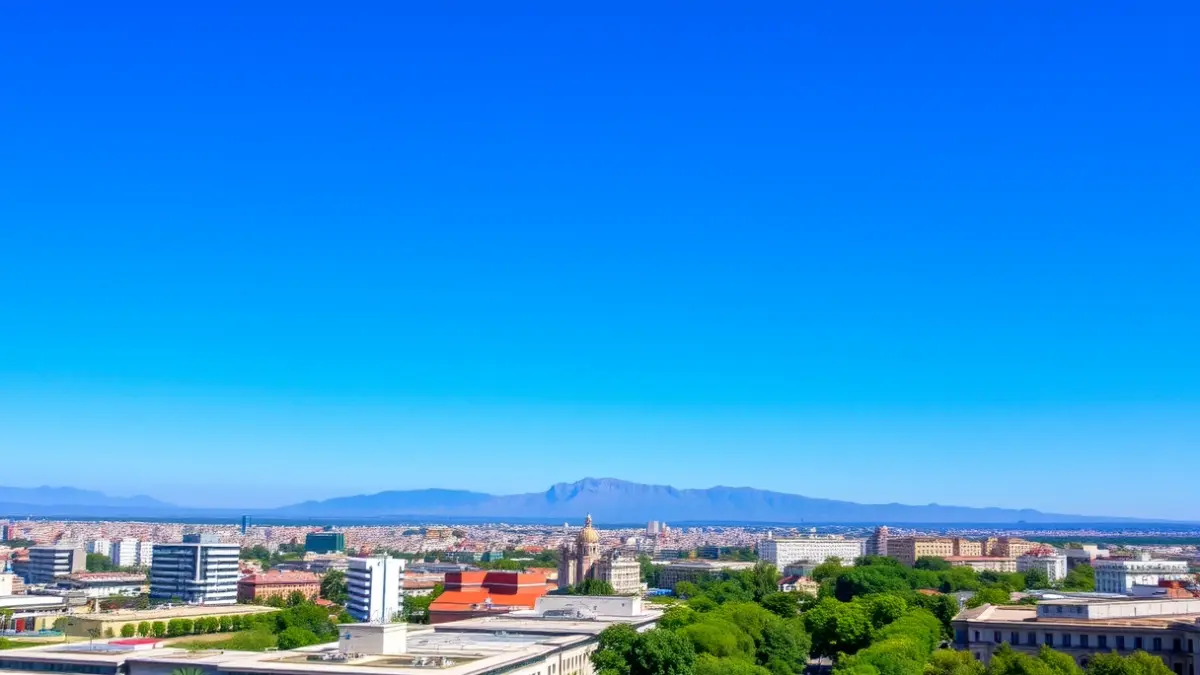
For years, the image of Madrid was marked by a dense layer of pollution, popularly known as 'the boina' (beret), which obscured the mountains and blurred the horizon. This phenomenon, far from being an exaggeration, was a direct result of intense vehicular traffic, outdated heating systems, and urban development focused on private car use.
The situation escalated from a daily nuisance to a European concern, with repeated warnings from the European Union for non-compliance with pollution limits. This prompted authorities to implement progressive measures, including anti-pollution protocols, temporary speed restrictions on the M-30, and the establishment of Madrid Central in 2018.
Subsequently, the strategy expanded with the Madrid 360 initiative and the implementation of Low Emission Zones across the entire municipality, setting new limits for the most polluting vehicles and promoting a gradual transition towards cleaner mobility.
Madrid has made significant progress, but other capitals have an advantage in some aspects.
Beyond regulations, the most emblematic transformation has been the creation of Madrid Río. This park has redefined the city's relationship with the Manzanares River, converting an area once dominated by traffic into a leisure space with promenades, green areas, pedestrian bridges, and family zones. Other enclaves like Casa de Campo and El Retiro Park have also gained relevance as urban refuges against high temperatures.
Although Madrid has made significant progress, it still faces challenges compared to other European capitals. Cities like Paris have reduced car space and expanded protected bike lanes, London applies congestion charges, Copenhagen has prioritized cycling as a primary mode of transport, and Vienna stands out for its urban planning focused on quality of life. The Spanish capital boasts strengths such as its climate, the Madrid Metro network, and its street culture, but must continue to work on car dependency and adaptation to extreme heat. The next goal is to consolidate clean air as a constant reality for its citizens.