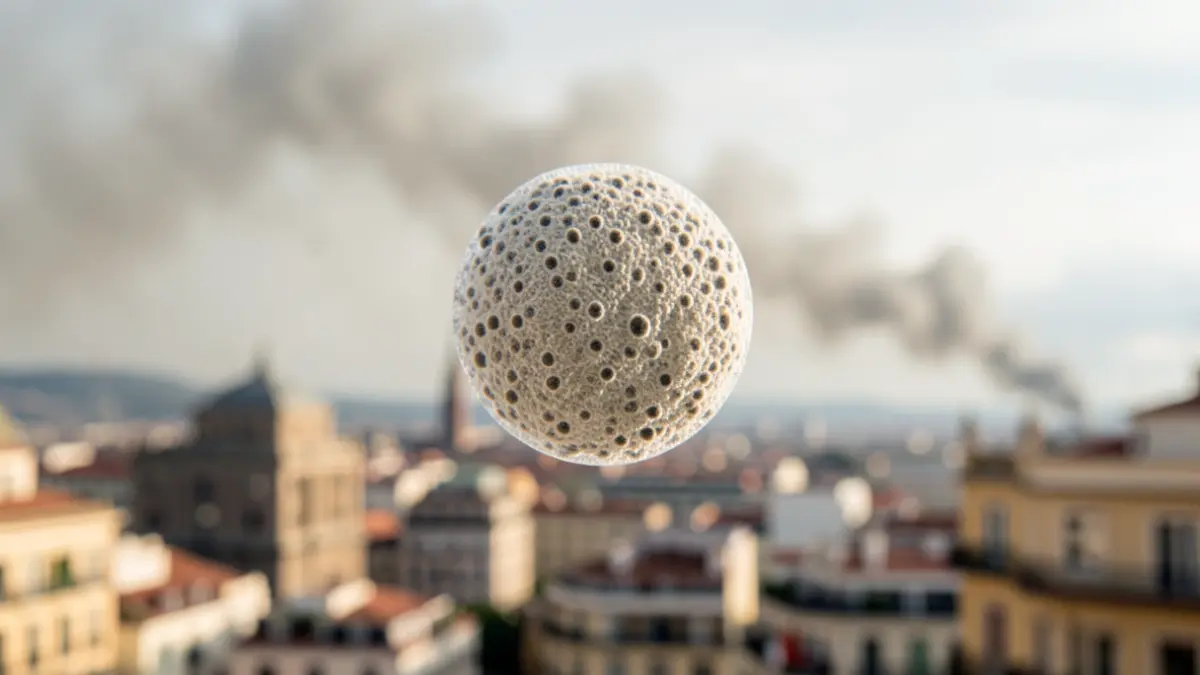
The study, which analyzed data collected between 2017 and 2021, concludes that the combination of air pollutants and pollen jointly influences the prevalence of allergies, particularly affecting urban areas where pollution concentration is higher.
The research examined the interaction between different types of pollen, including olive, cypress, and plane tree, and pollutants such as ozone, nitrogen dioxide, and PM10 suspended particles. Data came from the air quality networks of the Community of Madrid and the Madrid City Council, the regional Pollen Network, and the Allergy services of several Madrid hospitals.
Scientists suggest that atmospheric pollutants can alter the pollen structure, increasing its allergenic capacity, and modify the body's immune response. This interaction has been shown to be particularly relevant in urban environments, where the combination of both factors can lead to a notable increase in allergy cases.
The findings reinforce the need to address atmospheric pollution not only as an environmental issue but also as a crucial public health factor directly linked to the rise in allergic diseases.