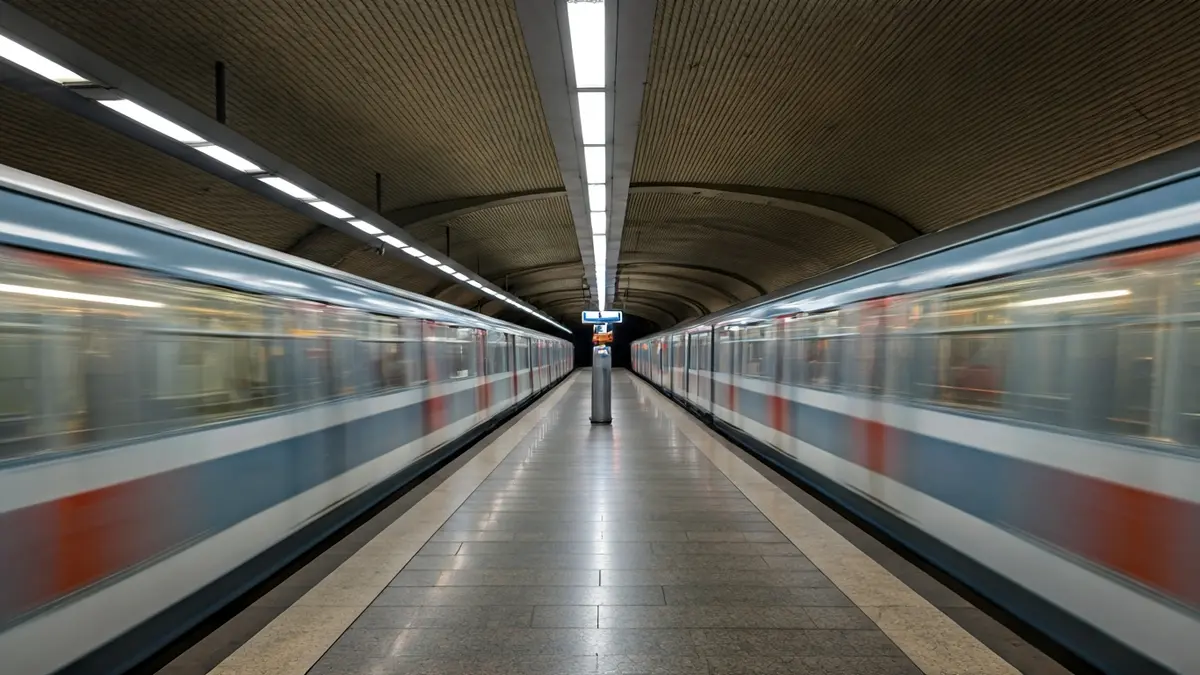
Madrid's public transport network, recognized as one of the most comprehensive in Europe, includes 302 metro stations across 12 lines and 295 kilometers, over 90 EMT bus lines in the capital alone, and an extensive Cercanías network with 96 stations and 400 kilometers connecting the entire region. Additionally, the BiciMAD public bicycle system complements this infrastructure, with thousands of docking points throughout the city.
The capital has implemented significant measures to reduce polluting traffic in the city center, such as the Low Emission Zone (ZBE), and is transforming its public spaces to prioritize pedestrians and cyclists. These initiatives have led to 54% of daily commutes in Madrid being made sustainably in 2023, surpassing the 46% made by private vehicle.
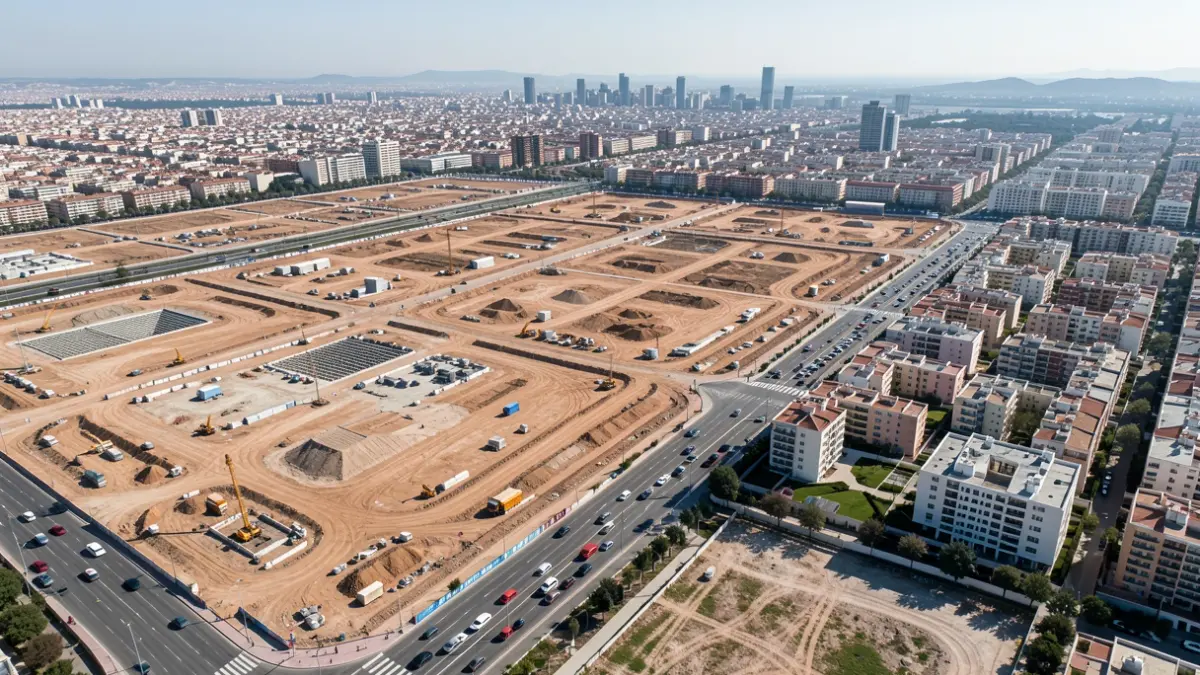
The Madrid Metro, the eighth largest network in the world, is undergoing an unprecedented transformation. Line 6, the most used, will be automated by 2027, allowing train frequencies every two minutes during peak hours. Line 11 will be extended towards Conde de Casal, and Line 5 will extend its route to airport terminals T1, T2, and T3, with inauguration planned for 2028. New stations are also projected for Los Ahijones, Campamento, and Madrid Nuevo Norte.
Meanwhile, the Cercanías network, which connects Madrid with key municipalities such as Alcalá de Henares, Getafe, and Leganés, transported 205 million passengers in 2022. The EMT, with over 200 lines and a fleet of more than 2,000 vehicles, is moving towards full electrification, progressively eliminating diesel buses. Fare integration allows the use of the same pass for metro, bus, and Cercanías within the Community of Madrid.
The city has also seen growth in cycling infrastructure and the use of BiciMAD, as well as private bicycle and electric scooter platforms. A new regulation approved in 2023 requires an approval certificate for electric scooters, seeking to regulate this booming mode of transport. The ZBE, in effect since 2018, has contributed to a 7.8% reduction in traffic accidents and a 40% decrease in fatalities between 2019 and 2022, leading Madrid to comply with the European air quality directive for the second consecutive year.