The visit is part of Bloomberg Citylab, an international summit organized by Bloomberg Philanthropies and the Aspen Institute, which brings together public officials and urban innovators in the capital. Participants took a walking tour of key points in the park, including the urban beach, the skatepark, and the Perrault Bridge.
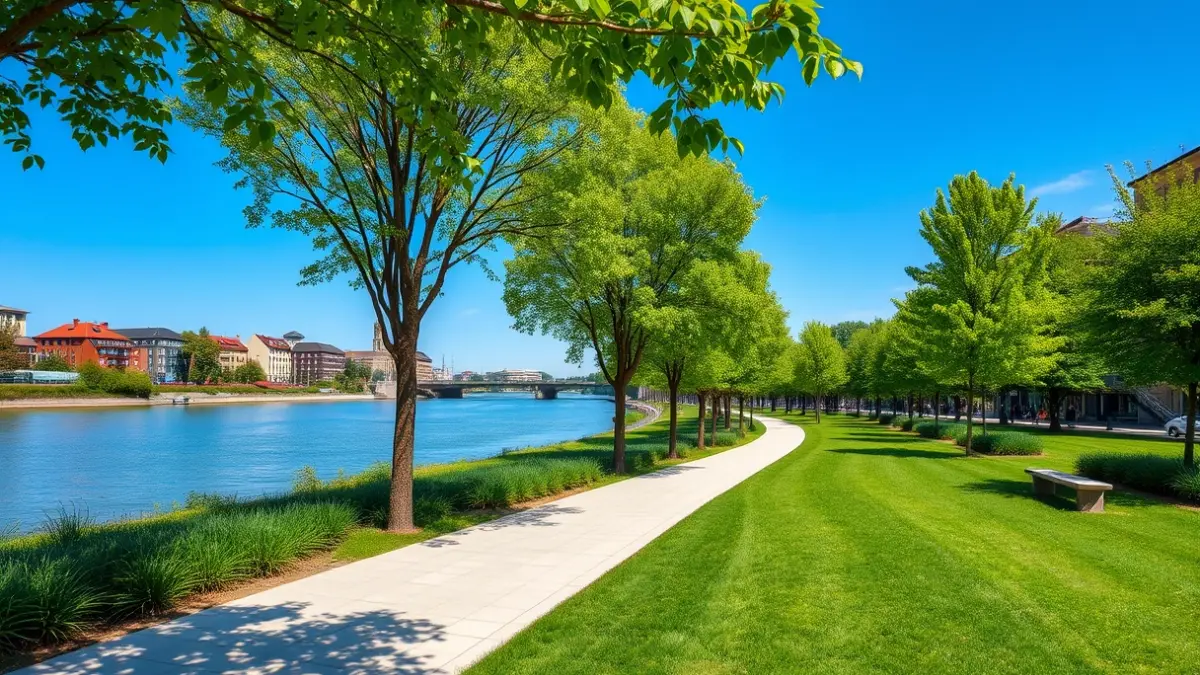
Subsequently, the delegation went to the Madrid Río Interpretation Center, where they received detailed information on the engineering and forestry management that have established this space as a landmark in landscape architecture. The Madrid Río project involved the burying of the M-30 highway as it passed through the Manzanares River, an operation that transformed a high-traffic area into an extensive linear park.
This initiative, considered the largest ecological rebalancing operation in the city's recent history, has created a green corridor extending from El Pardo to Getafe. It connects forests, green spaces, historic gardens, and urban parks that were previously dispersed, providing Madrid with a unique environmental infrastructure among major metropolises.
The project, completed on April 15, 2011, covers an area of 1,210,881 square meters. It features 33,623 trees of 47 species, 470,844 shrubs, and over 210,000 square meters of meadow. Additionally, it offers 30 kilometers of cycling paths, 33 sports courts, 17 children's play areas, an urban beach, five viewpoints, and the Manzanares River Interpretation Center. A total of 33 crossings, including new bridges, connect both banks of the river, becoming urban icons of the city.