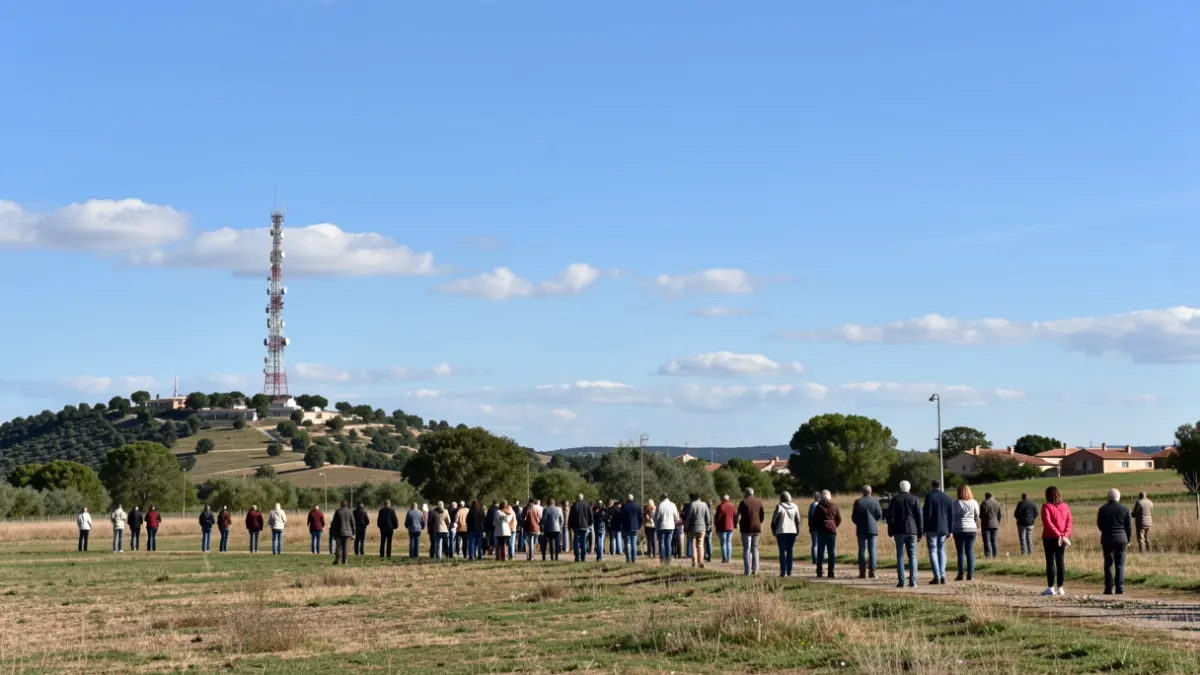
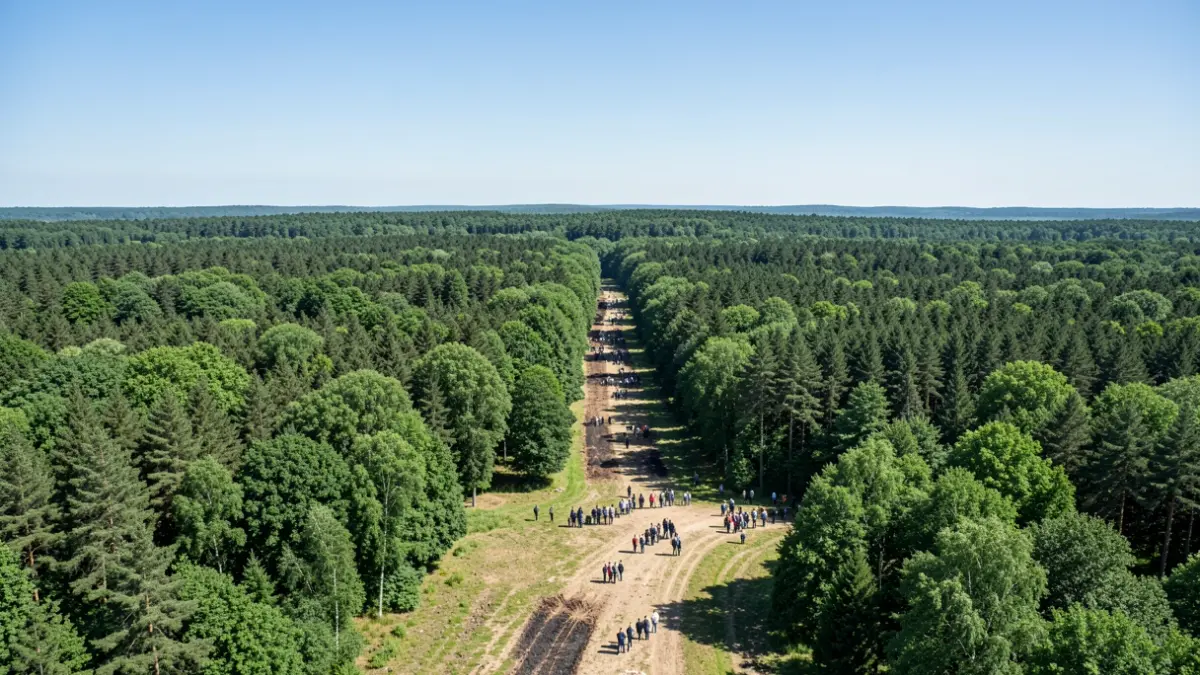
With the aim of strengthening fire prevention before the period of highest risk, the Community of Madrid is acting on 5,298 hectares of forest land. The work, directed by the regional Firefighters Corps, focuses on pruning, clearing, and maintaining firebreaks in medium and low-risk areas, especially near homes and densely vegetated zones.
These efforts aim to reduce the accumulation of vegetal fuel, which hinders the rapid advance and spread of fire. Additionally, rural roads are being adapted to facilitate access for emergency services when needed.
A significant portion of the prepared area, specifically 71.2% (3,772.59 hectares), is cleared through preventive grazing. This initiative, launched in 2011, utilizes herds of sheep, goats, cows, and horses. Farmers receive financial compensation for this service, and last year, 85 farms participated with over 21,000 head of livestock.
Concurrently, the forest ranger teams are directly intervening in 1,525 hectares of woodland, urban-forest interface areas, and firebreaks. These 304 professionals carry out clearing, pruning, and removal of vegetal debris until the high-risk period begins, using manual and heavy machinery.
As summer approaches, the deployment is reinforced to reach 419 personnel, who will integrate as forest firefighters within the operational framework of the Civil Protection Plan against Forest Fires in the Community of Madrid (INFOMA).
Furthermore, work is underway to adapt 74.6 kilometers of forest tracks to improve access for firefighting resources. These activities extend across nearly fifty municipalities, divided into six geographical areas of the region.
These interventions are designed to reduce vegetal fuel load, which helps to slow fire propagation, decrease flame intensity, and prevent them from reaching the treetops. This enhances the safety of intervention teams and facilitates quicker, more effective fire control.
The final area of intervention may be subject to change due to adverse weather phenomena, nesting of protected species, or variations in vegetation density, among other reasons.