The Sierra de Madrid, Metropolitan, and Henares areas remain at alert level 1. The primary objective of this plan is to minimize the consequences of high temperatures on the health of the most vulnerable groups, such as children, the elderly, chronically ill individuals, and athletes.
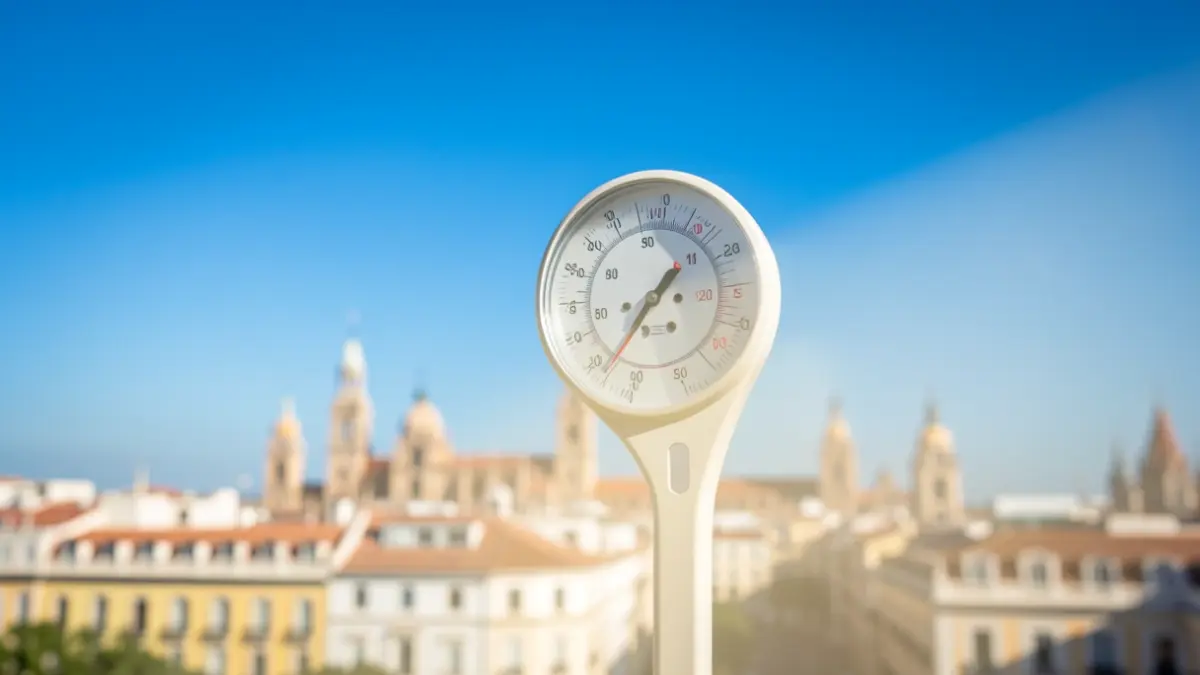
The decision to escalate to ‘Risk Level 2 or High Risk’ is based on forecasts from the Spanish Meteorological Agency (AEMET) regarding the increase in maximum temperatures towards the end of this week.
The plan, coordinated by the General Directorate of Public Health, establishes three risk levels (Normality, Precaution, and High Risk) defined by temperature thresholds and their duration. High Risk level is activated for maximum temperatures equal to or exceeding 38.5 ºC, or records of 36.5 ºC or higher for four consecutive days.
To keep the public informed, various communication channels are available. Citizens can subscribe to SMS alerts by sending ALTACALOR to 217035, or via the website comunidad.madrid/servicios/salud/calor-salud, which also offers a daily email bulletin. Alerts are also disseminated on Twitter via the accounts @SaludMadrid, @ComunidadMadrid, and @012CMadrid.
Public Health coordinates the activation of these alerts with the socio-health system, city councils, Civil Protection, and the Sports Medicine Unit to implement planned mitigation measures.
The Ministry of Health emphasizes the importance of constant hydration, recommending the consumption of abundant fluids and water-rich foods. Elderly individuals are advised to drink at least two liters daily, even without feeling thirsty. It is recommended to avoid physical exercise and walks during the hottest hours of the day, wear light-colored, lightweight clothing, and never leave anyone in a vehicle exposed to the sun.
Furthermore, citizens are urged to look out for vulnerable family members and neighbors, especially those living alone. In case of extreme temperatures, it is advisable to consult a doctor or pharmacist about regular medication. For heat-related emergencies, contact emergency number 112.