This action is fundamental to the comprehensive modernization process that will transform the Circular Line into the network's first driverless line, benefiting nearly 430,000 daily users. The Governing Council has approved the awarding of this contract, which will have a ten-month execution period.
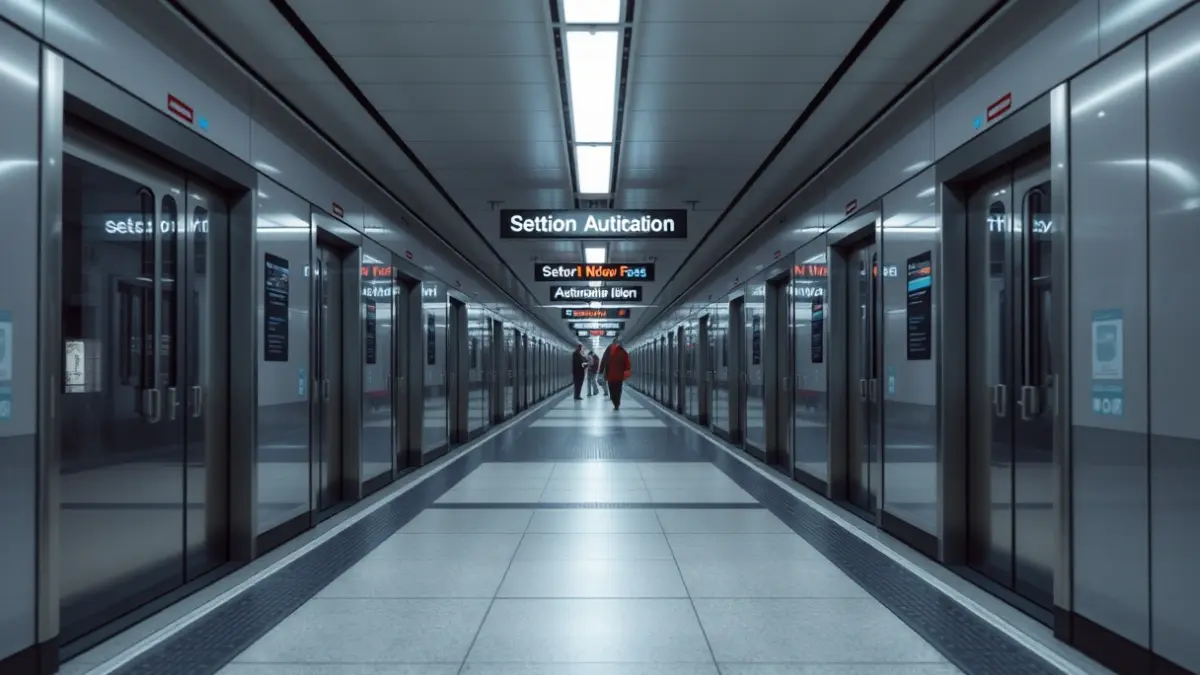
The works will focus on adjusting the height of the platforms at all L6 stations to allow for the installation of automatic doors. This measure will eliminate the current gap between the train and the platform, increasing passenger safety and facilitating total accessibility, especially for people with reduced mobility.
The project also includes the comprehensive renovation of platform paving, improving the stations' appearance and incorporating more efficient, lower-maintenance materials. Additionally, stainless steel and safety glass screens will be installed at the ends of these infrastructures, completing the enclosure for the automatic doors and allowing for small technical spaces and access to the designated 'bubble zone' for authorized personnel.
Significant improvements will be incorporated to facilitate subway use for all passengers, especially those with disabilities. These include the installation of tactile paving for visually impaired individuals, adapted public address systems for users with hearing difficulties, non-slip surfaces to prevent falls, double handrails on stairs for enhanced safety, and Braille signage. These adaptations will be implemented in stations such as Ciudad Universitaria, Guzmán el Bueno, Laguna, and Lucero, which already have elevators but lack these specific improvements.
The contract also includes actions aimed at reinforcing safety by adapting dry risers to the new infrastructures, ensuring their operability at all times. These installations, part of the subway's fire suppression system, are pipes that firefighters use to quickly and effectively deliver water to the fire zone, facilitating their intervention in emergencies and complying with current safety and civil protection regulations.
All these interventions will be carried out without interrupting service, requiring high technical and logistical coordination. Work will take advantage of the line's early closure at 11:00 PM, from Sunday to Thursday.
This new award is part of a total investment of over 1 billion euros that the regional government is dedicating to the transformation of Line 6, the most used line in the entire network. The majority of this amount, over 531 million, is allocated to the acquisition of 48 new driverless trains that will operate on L6 throughout 2027. Another 231 million is for the comprehensive renovation of infrastructure, 112 million for platform door installation, and 85 million for signaling work.