Following the latest forecasts from the State Meteorological Agency (Aemet), which indicate a slight decrease in temperatures, the regional government has decided to lower the alert level. However, the preventive device of the Heatwave Effects Surveillance and Control Plan remains active in the Metropolitan and Henares areas.
The objective of this plan is to mitigate the impact of high temperatures on public health, with special attention to vulnerable groups such as the elderly, minors, and patients with pre-existing conditions.
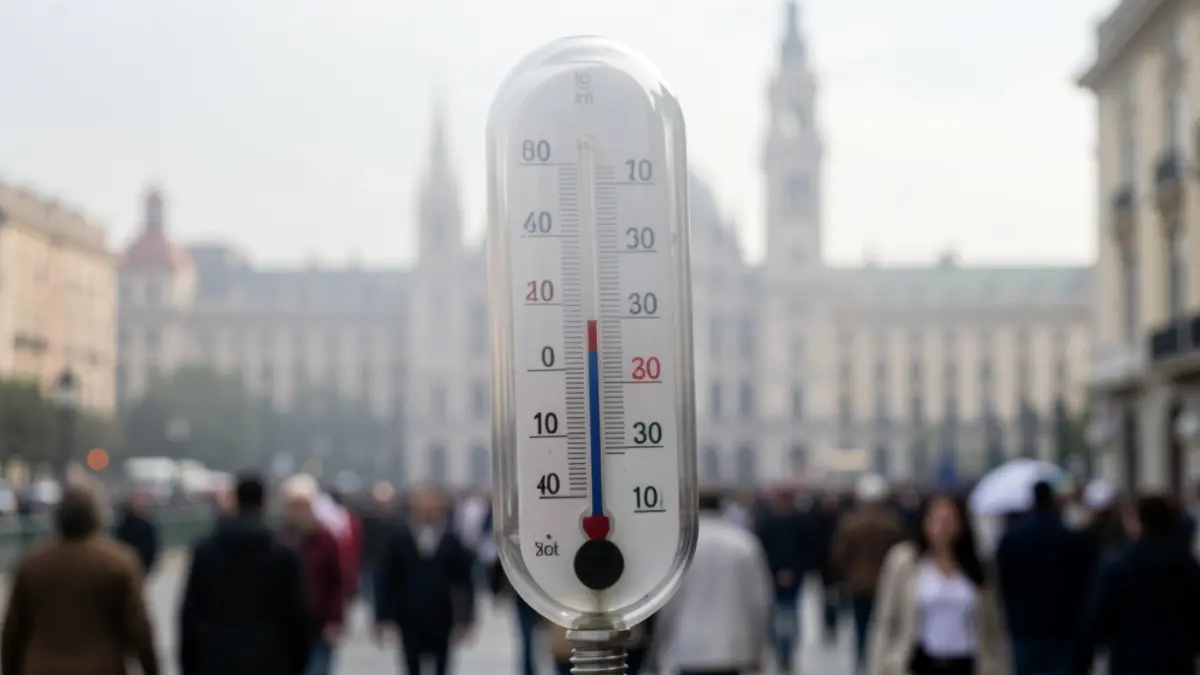
According to the latest meteorological bulletin, this Wednesday maximum temperatures of 38.9 degrees Celsius are expected in the Metropolitan and Henares area, and 38.6 degrees in the South, Vegas, and West areas. In the Sierra, thermometers will reach 36.6 degrees.
Forecasts for Thursday indicate a significant drop, with maximums of 33 degrees in the Metropolitan and Henares area, 32.6 degrees in the South, Vegas, and West, and 30.5 degrees in the Sierra. On Friday, temperatures are expected to remain stable around 33 degrees in most areas.
Despite the anticipated improvement, health authorities emphasize the importance of maintaining preventive measures. Frequent water consumption is recommended, even without feeling thirsty, to ensure proper hydration. It is also advised to avoid alcohol and sugary or caffeinated drinks, and to protect homes from heat by closing blinds and awnings during peak sun hours, ventilating during cooler periods.
Furthermore, it is advisable to stay in cool places, refresh with showers or damp cloths, and maintain a light diet rich in fruits, vegetables, cold soups, and salads. Exposure to the sun during the hottest hours should be avoided, using light clothing, hats, and sunscreen.
The authorities also recommend limiting intense physical exercise outdoors during the hottest hours. Individuals undergoing medical treatment should consult healthcare professionals if unusual symptoms appear. Finally, a call is made to exercise extreme vigilance over infants, young children, and elderly individuals living alone.