The charitable initiative's primary goal is to collect 500,000 kilos of basic grocery items. These foods will be distributed to assist around 100,000 individuals through more than 500 charitable organizations.
The campaign coincides with the visit of Pope Leo XIV to Madrid, who is scheduled to arrive on Saturday, June 6. During his stay, the Pontiff will engage in various events, including a visit to Cáritas Madrid's social project Cedia 24 Horas and a prayer vigil with young people at Plaza de Lima.
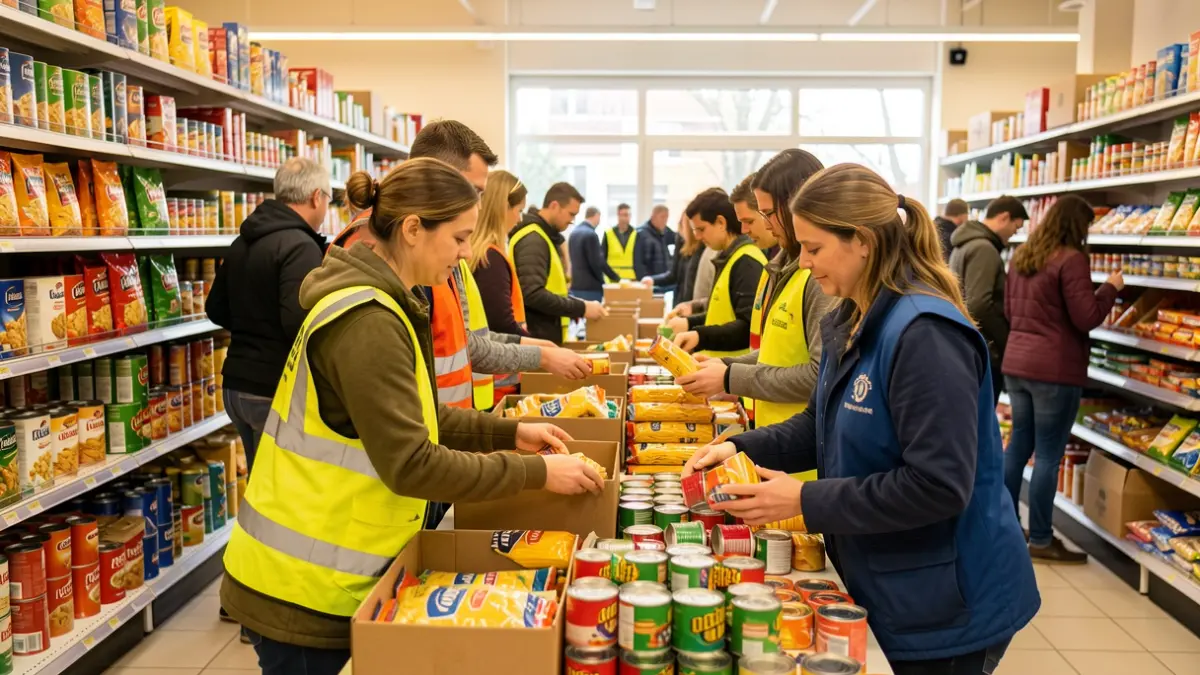
The Food Bank emphasizes the crucial role of volunteers in supermarkets to inform citizens about the campaign and the destination of their contributions. The donation system allows for credit accumulation within each supermarket chain, which is later exchanged for selected basic products based on identified needs.
Interested individuals can register until June 4 via the website www.granrecogidamadrid.org or by calling 919905405. Participation requires a four-hour commitment, with the option to choose a location and shift (morning or afternoon) through the campaign's platform.
Donations are primarily made at the point of sale, where customers can add their desired contribution amount to their purchase receipt. Some establishments will also accept physical food donations. Using the accumulated credit, the Food Bank procures basic grocery items throughout the year, optimizing logistics and reducing costs.
The organization is appealing for both individual and group participation across various municipalities in the Community of Madrid to cover the necessary shifts and ensure the success of one of the region's most significant charitable campaigns.
“"It only takes freeing up four hours on Saturday, June 6, to contribute to the greatest charitable cause in the Community of Madrid."
The entity highlights that this initiative channels the desire of many people to help those facing difficulties, providing a concrete way to do so. Each covered shift directly contributes to ensuring a daily meal for thousands of families supported by social organizations in the region.