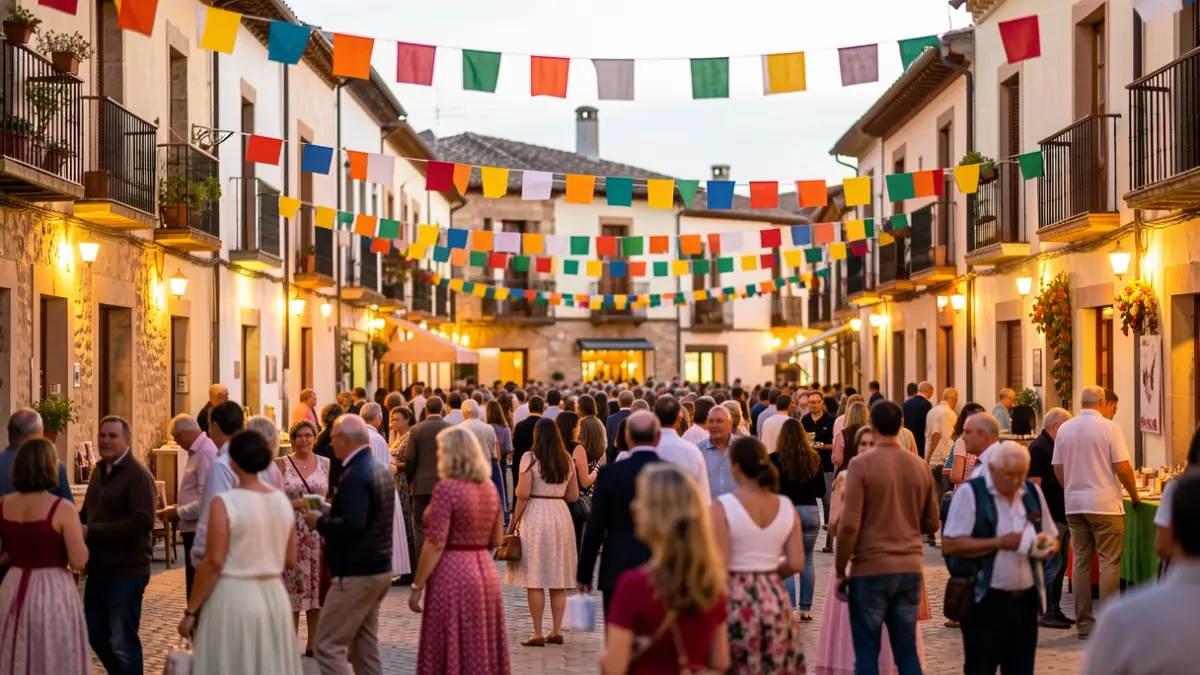
Following the Pontiff's departure for Barcelona, the City Council has declared the operation concluded. It mobilized hundreds of thousands of people and represented the "greatest logistical, security, and mobility effort in municipal history." The mayor emphasized that "Madrid is a city capable of hosting and organizing, but what makes Madrid special is that its greatest asset is its people."
Martínez-Almeida highlighted the citizens' commitment, which ensured "Madrid kept moving" and "the heart of Madrid kept beating" despite the challenges, such as the setup of two large stages and the Pope's popemobile journeys. He also acknowledged the cooperation of numerous companies that facilitated remote work to reduce travel.
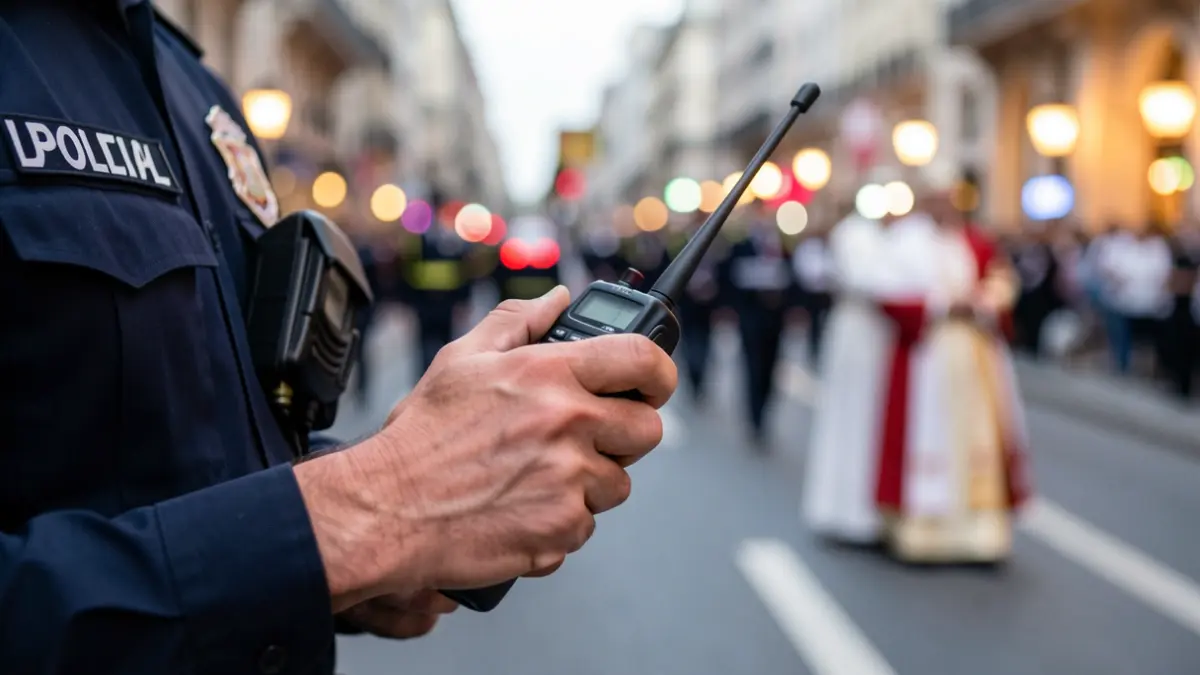
Over 8,000 public servants participated in the operation, which the mayor described as the "most significant operational effort" for a major event in the city. Specifically, 4,000 municipal police officers managed mobility, covering over 56,000 kilometers without significant incidents.
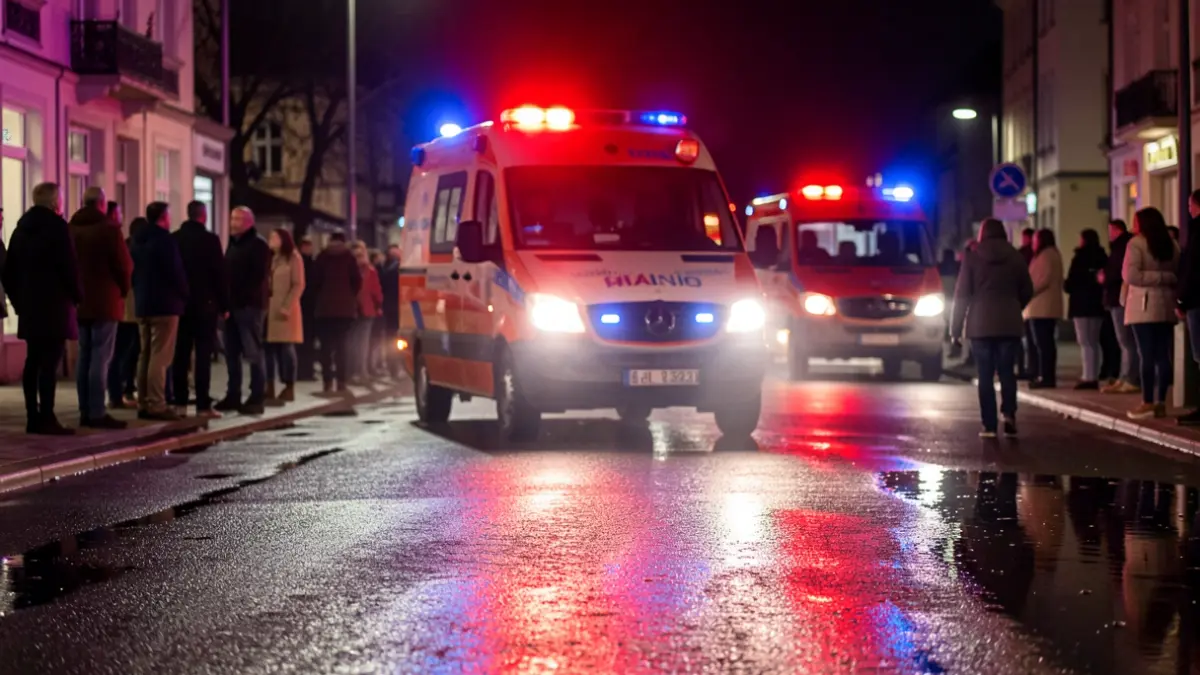
The mayor recounted an anecdote about a municipal police officer who, after a minor fall, prioritized the operation. He sent a message of recovery to the two officers who sustained minor injuries. The health services, with over a thousand Samur-Civil Protection personnel, handled minor interventions, mainly heat-related issues, with minimal and non-serious hospital transfers.
The Government Delegation gave a favorable assessment of the operation, noting "isolated incidents" such as the arrest of an individual for alleged hate speech against nuns on June 8th in Plaza de Gregorio Marañón. Drones flying over restricted areas were intercepted, and a pilot was sanctioned for unauthorized flight in restricted airspace.