The deputy mayor, Inmaculada Sanz, announced this initiative after the Governing Board meeting, explaining that although the Heritage Law does not require specific protection for such findings, their "enhancement" is being considered. The General Directorate of Cultural Heritage of the Community of Madrid has confirmed there is no objection to their dismantling and extraction.
For now, the council has not specified the final destination of the tracks, considering options such as the Municipal Transport Company (EMT) Museum or the Railway Museum. The rails will remain visible in their current location, in the area of the Puerta de Alcalá, until their future is decided.
“"There is no legal obligation, but they can be extracted."
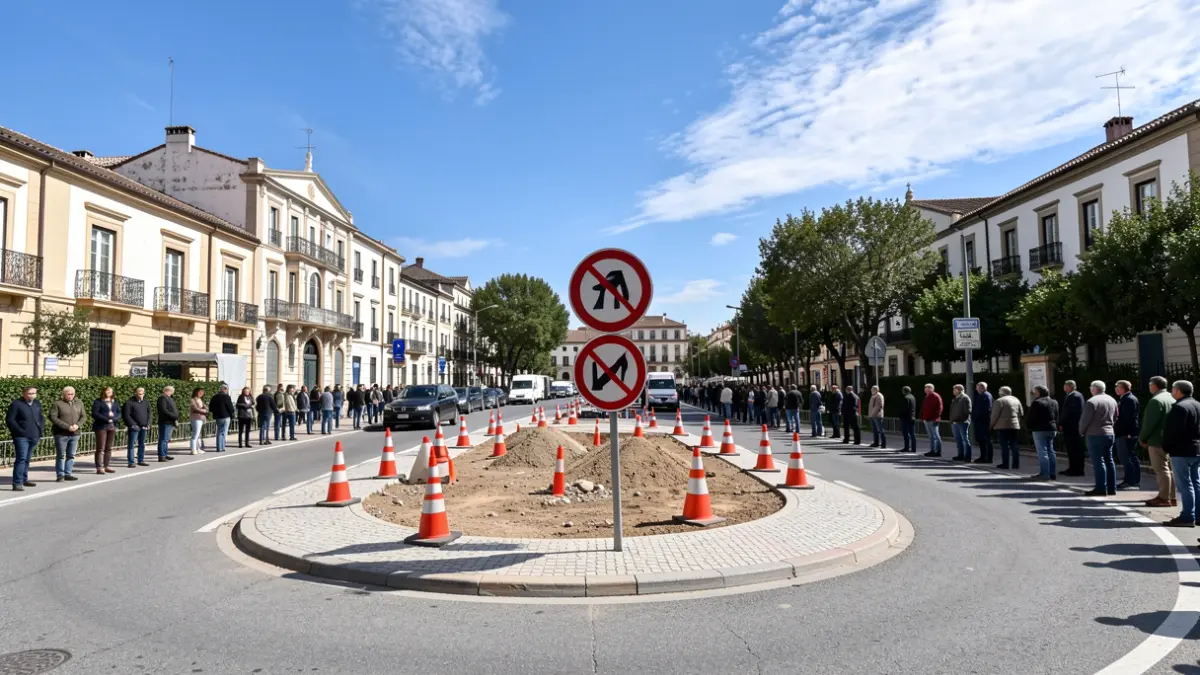
The discovery occurred during the archaeological control phase of the renovation works around the Puerta de Alcalá, which aim to expand pedestrian space and facilitate access to the monument's roundabout. Madrid's electrified tram network began operating in 1898 and ceased service definitively in 1972, making it common to find these vestiges of public transport during urban construction.
Similar findings have occurred in other areas of the capital, such as in Chamberí during the renovation of Olavide Square or in Tetuán. However, the remains at Puerta de Alcalá stand out due to the length of the section and its good state of preservation, which reinforces interest in their conservation and exhibition.