The city of Madrid is preparing to host an event of unprecedented scale with the visit of Pope Leo XIV, scheduled from June 6 to 9. Mayor José Luis Martínez-Almeida has outlined the municipal security, emergency, and mobility plans designed to ensure the visit's success, which is expected to draw millions of people.
Due to significant disruptions anticipated in various parts of the city, particularly along the Recoletos-Castellana axis, the Mayor has appealed to companies and workplaces to encourage teleworking and allow flexible entry and exit for employees in the most affected areas. The most challenging days are expected to be from two days before the Pope's arrival until two days after, due to the setup and dismantling of necessary infrastructure.
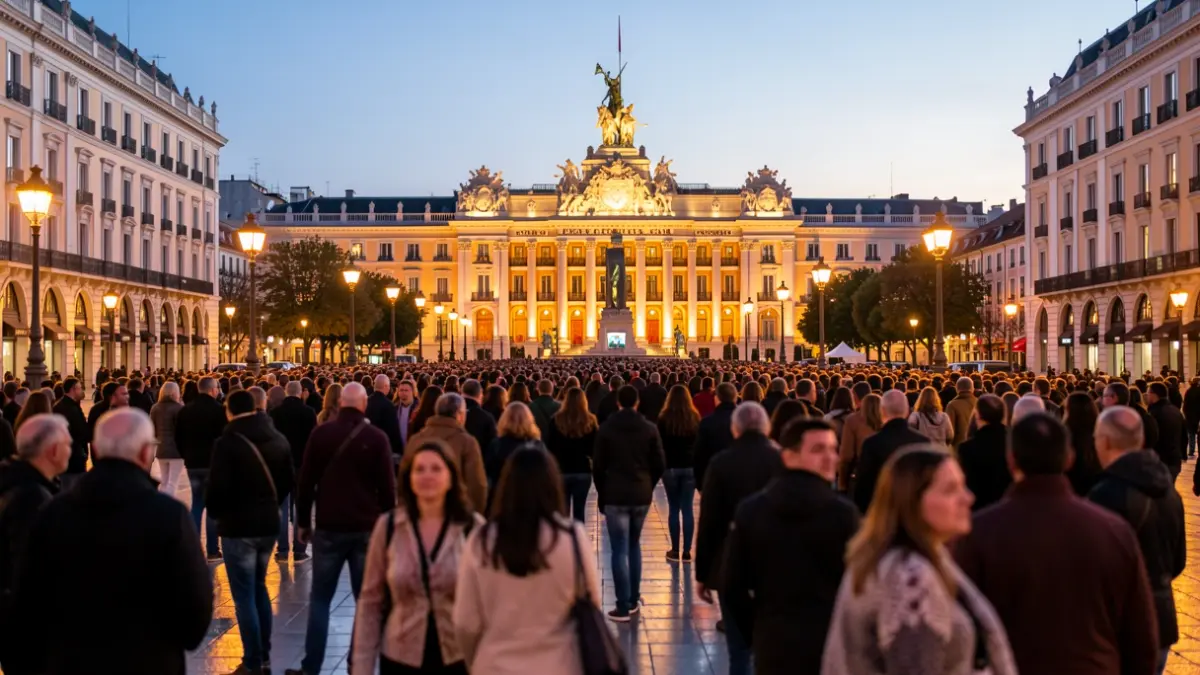
Massive crowds are expected, with estimates of 500,000 people at Plaza de Lima and 1.5 million at Plaza de Cibeles. To cover these events, approximately 4,000 police officers and 1,000 health personnel will be deployed. The police operation will focus on protecting official events, public safety, threat prevention, and crowd control, involving various police stations and specialized units.
The municipal Fire Department will also be present at coordination centers and proactively in city parks, with mobile units to check emergency lanes. Meanwhile, SAMUR-Civil Protection will deploy nearly 1,000 health professionals, with advanced medical posts at Plaza de Lima and Plaza de Cibeles, in addition to rapid intervention units and trained volunteers.
The Madrid City Council has allocated 33 municipal spaces for pilgrim accommodation. Technicians from Madrid Salud will conduct additional checks on public water points to ensure their safety. Mobility will be significantly impacted, especially along the Recoletos-Castellana axis, with progressive traffic closures in Plaza de Cibeles and Plaza de Lima starting May 25.
The use of public transport is recommended, which will be free (EMT buses and bicimad) between June 3 and 9. An increase of up to 184 EMT buses is planned. Six peripheral parking areas will be designated for buses, and traffic incidents will be incorporated into navigation apps like Google and Waze to offer alternative routes.