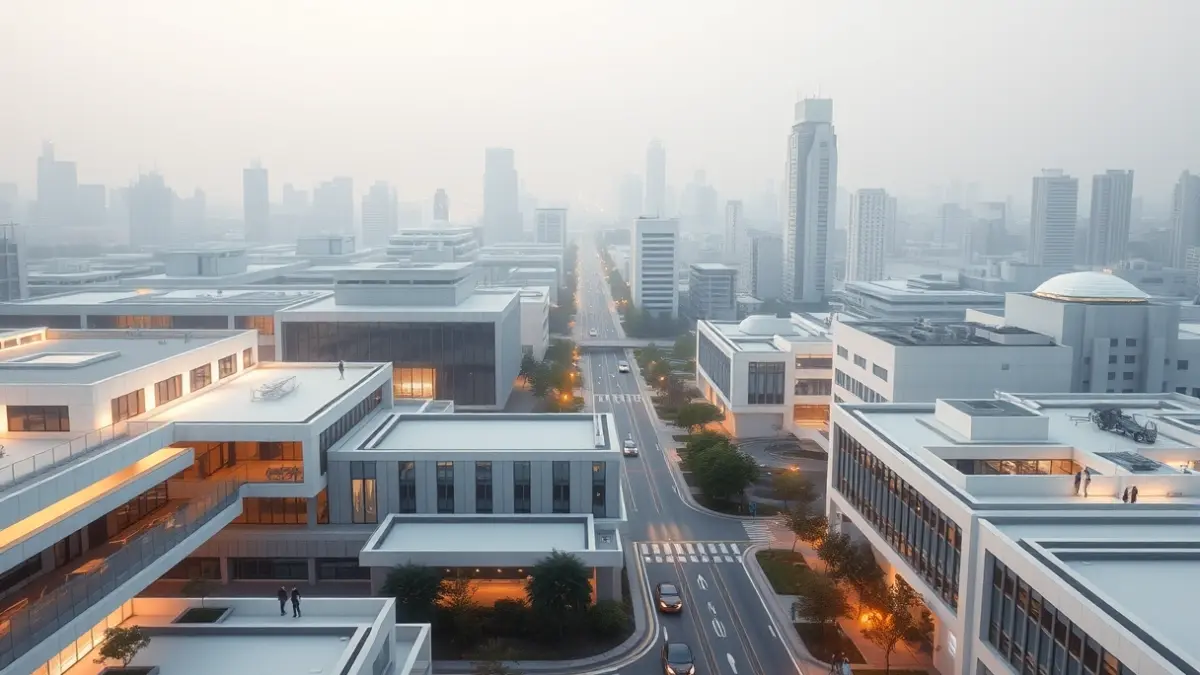
The concept of Próspera, a corporate city with a high degree of autonomy in Honduras, has garnered attention as a libertarian experiment. This project, which began to take shape in 2017 and saw its construction take off in 2021, has become a reference point for analyzing trends in private governance and extreme deregulation in urban environments.
Próspera's economy is based on attracting technology companies, offering incentives such as almost zero taxation and great regulatory flexibility. Furthermore, it focuses on organizing events and the real estate sector, promoting the idea that investment will guarantee the rule of law and the eradication of poverty. This discourse resonates with certain visions of urban development that, although geographically distant, bear similarities to the dynamics of cities like Madrid.
Freedom is constantly on their lips. Does it sound familiar? Madrid is still far from Honduras, but it looks Próspera in the eye.
The legal viability of Próspera was supported by the approval of the Law of Employment and Economic Development Zones (ZEDEs) in Honduras. However, this law was declared unconstitutional by the Honduran Supreme Court in 2024, plunging the project into a process of litigation. Despite the challenges, the Próspera model continues to be a case study on how elites seek to shape the urban future.
Próspera's location in Roatán, a luxury tourist enclave, has also generated controversy, especially due to its impact on local communities. The Afro-Caribbean inhabitants of Crawfish Rock, where the city under construction is located, have organized protests, expressing their concern about potential gentrification driven by market logic. This scenario raises a debate about extractivism and the future of cities, where elites seek to create their own urban utopias.