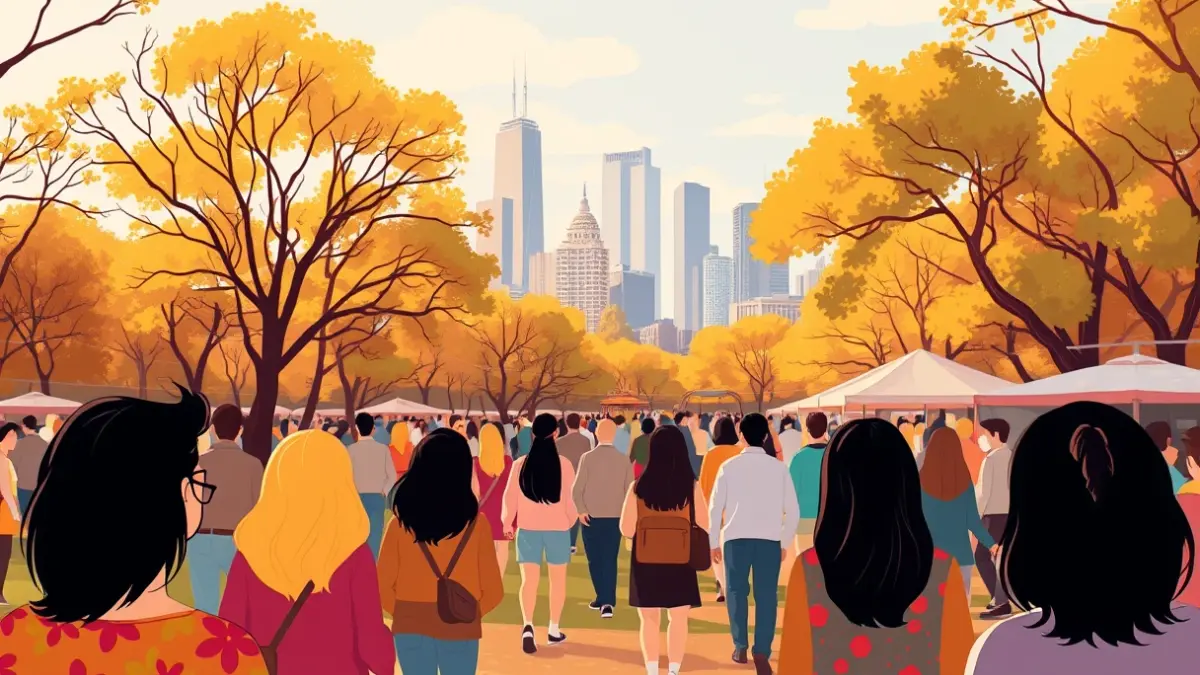
The artwork, commissioned by a major company, offers a fresh interpretation of the celebration, set in the meadow with Madrid's iconic urban skyline as a backdrop. The scene is characterized by its brightness and openness, focusing on people as the central element of the popular festivity.
True to her distinctive style, which features expressive use of color and simplified forms, the artist has crafted a composition that omits facial features. This technique, common in her work, transforms individual identity into a collective experience. The color palette, dominated by warm tones, seeks to evoke feelings of togetherness, coexistence, and joy.
The piece also includes subtle references to traditional Madrilenian culture, such as contemporary versions of 'chulapa' costumes, polka dot motifs, and the presence of carnations. All these elements are integrated into a festive atmosphere that combines classic elements with a modern perspective.
“"Its dissemination in public spaces adds significant value, allowing the artwork to become part of citizens' daily lives."
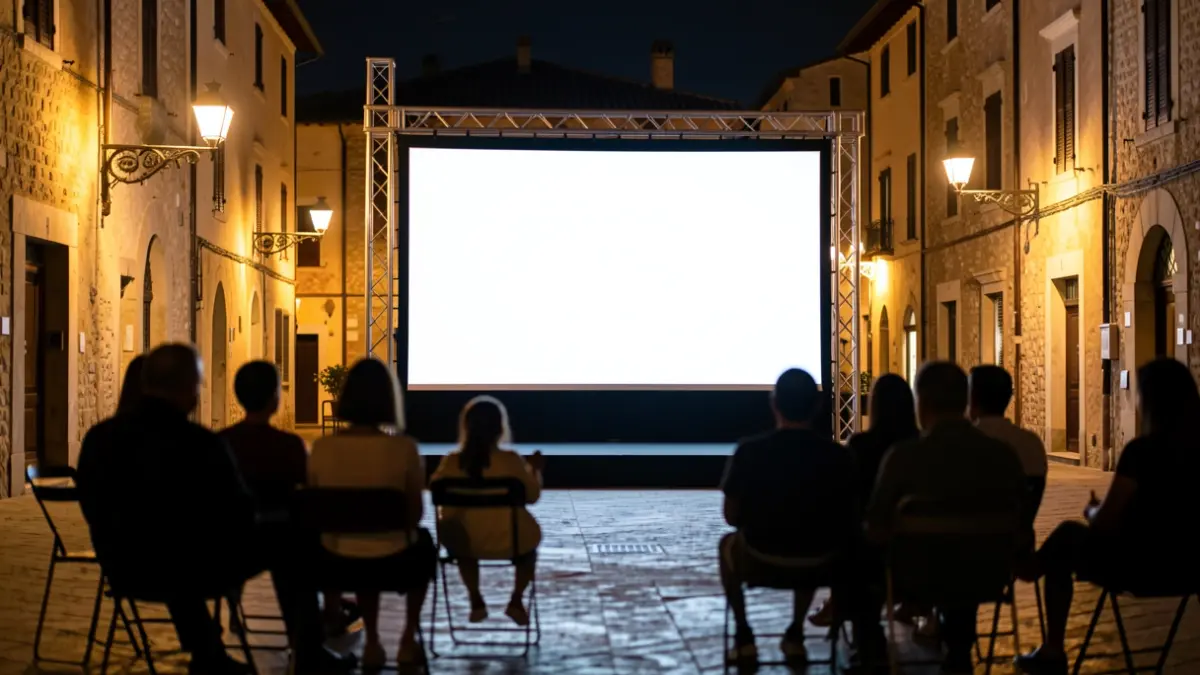
The illustration is designed for widespread distribution in Madrid's public spaces. It will be displayed on large-format screens in strategic and busy locations across the capital, including cinemas and theaters on the Gran Vía, such as the Palacio de la Prensa, Cines Callao, and the Teatro Gran Vía. The campaign will also reach high-traffic metro stations like Sol, Latina, and Ópera, and will extend to urban minibuses circulating in key areas during the celebrations.
This action reinforces the company's strategy to support local festivities through collaborations with artists connected to each region. Following similar initiatives at events like the Fallas, Feria de Abril, and San Fermín, the company solidifies its commitment in Madrid to bring contemporary art to the wider public and celebrate cultural identity from a current perspective.