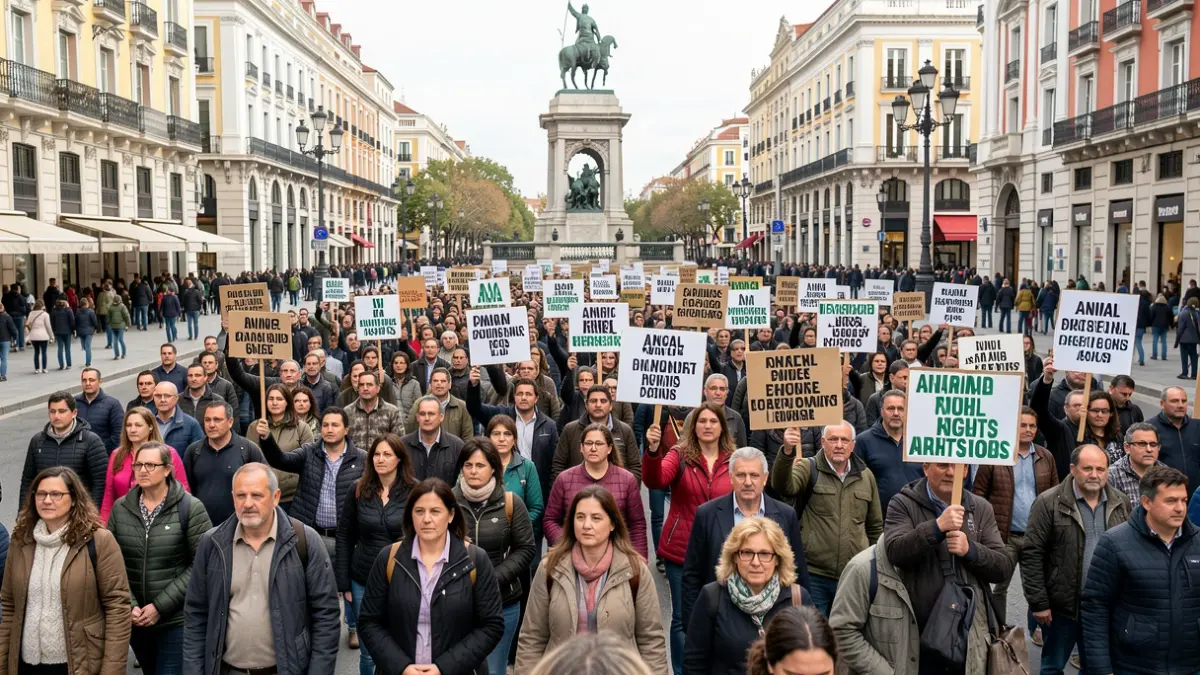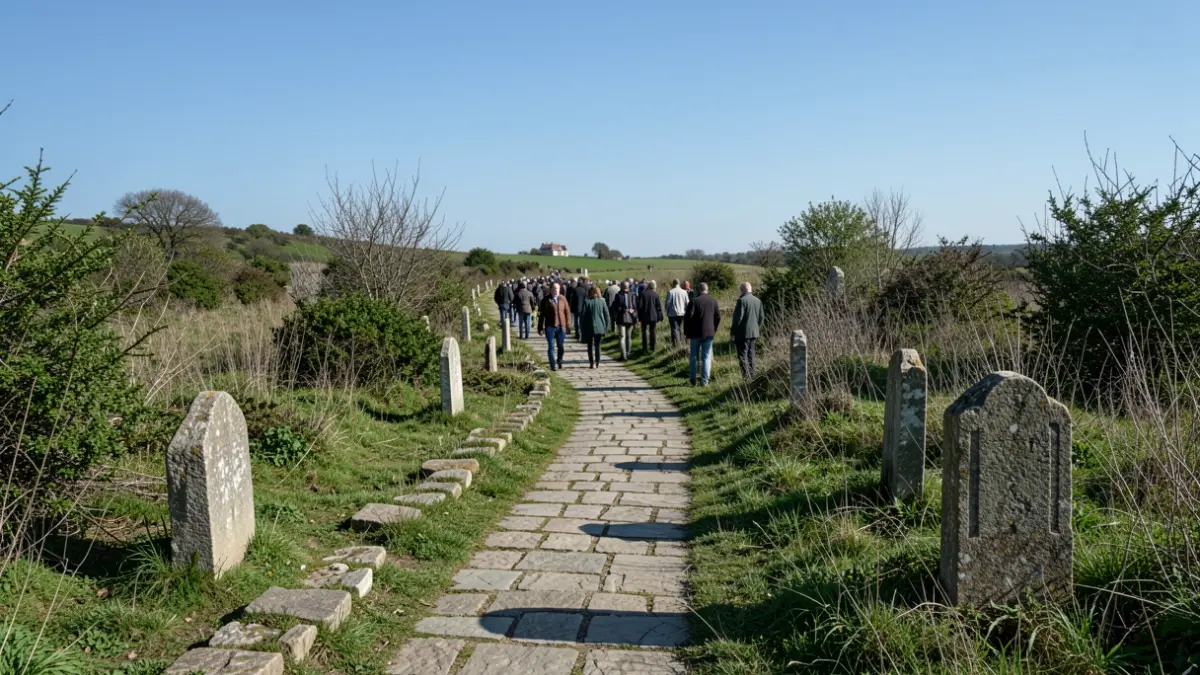
The Madrid Ecologist Platform has filed allegations against the project for the Plan for the Use and Management of Droving Routes (PUGVP) and its Strategic Initial Document (DIE) of the Community of Madrid. The organization criticizes that the plan, responsible for establishing the rules for the use of this public domain of great environmental and cultural value, lacks the necessary rigor and suffers from a lack of transparency in the categorization of these routes.
According to the platform, the PUGVP could allow droving routes to be considered urban land and handed over to municipalities as green areas, a classification that contradicts the Law on Droving Routes of the Community of Madrid, which defines them as public domain assets owned by the region and classifies them as protected non-developable land.
This is not the first time an attempt has been made to reduce the protection of Madrid's droving route network. In January 2026, a similar legal proposal was withdrawn after environmental and neighborhood protests, but the objective of deprotecting and ceding public droving domain appears to be reintroduced now within the articles of the new plan.
The organization also points out the introduction of a concept for categorizing droving routes (Basic, Complementary, and Residual Network) that is not contemplated in the current law. The administration has not provided the 2024 study that supports this classification, preventing verification of the adequacy of the category assignments for each section of the droving route.
Finally, the Platform criticizes that the plan gives excessive relevance to recreational uses, elevating leisure to an autonomous objective over conservation and livestock transit, which are the priority aims according to the law. They believe the plan should focus on reactivating livestock movement, as grazing and transhumance are the most natural and effective ways to conserve these paths.