Consumer patterns in Madrid, much like in other major cities, are constantly evolving, but in recent years this change has accelerated significantly. The pressure of inflation and general price increases have eroded the purchasing power of Madrid residents, directly impacting daily decisions such as grocery shopping, refueling, and wardrobe renewal.
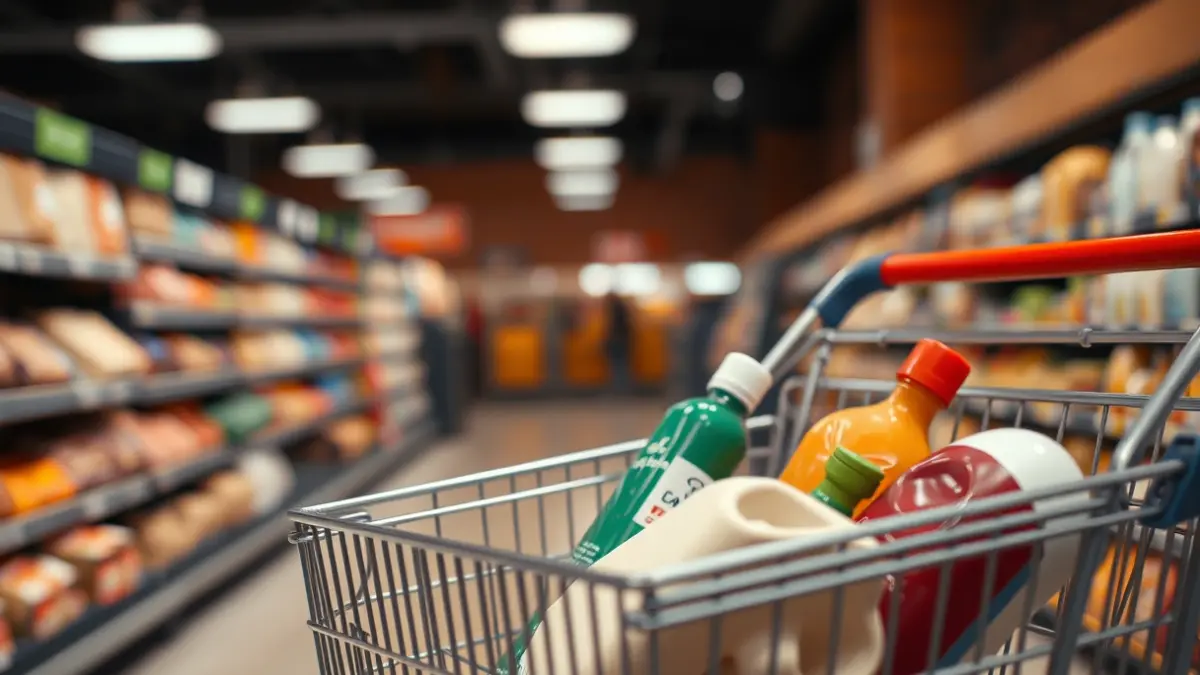
One of the most evident changes is seen in grocery shopping. Faced with a notable price increase in basic products like eggs, vegetables, oil, meat, and fish, many consumers have altered their routines. The trend now is to better plan supermarket visits, make smaller and more frequent purchases, and even diversify stores to take advantage of offers. Private label brands have gained ground, being perceived as an economical alternative without necessarily sacrificing quality.
In parallel, Madrid residents seek a balance between shopping in physical stores and e-commerce. Despite economic pressure, many try to continue supporting local businesses, valuing proximity and personal service. However, the convenience and competitive prices of online commerce, boosted by mobile applications and digital platforms, continue to be a decisive factor for savings.
Finally, there is a clear reduction in non-essential expenses. Although Madrid offers a wide range of gastronomic and leisure options, more and more citizens are choosing to cook at home instead of dining out, limiting entertainment plans outside the home, and buying clothes less impulsively. The key is to consume more intelligently, prioritizing the durability and versatility of garments over impulse purchases.