This initiative by the regional Executive not only covers zarzuela and transhumance but will also extend protection to other historical and artistic elements, both under the designation of BIC and Asset of Patrimonial Interest (BIP). The objective is to strengthen the conservation of Madrid's valuable cultural legacy.
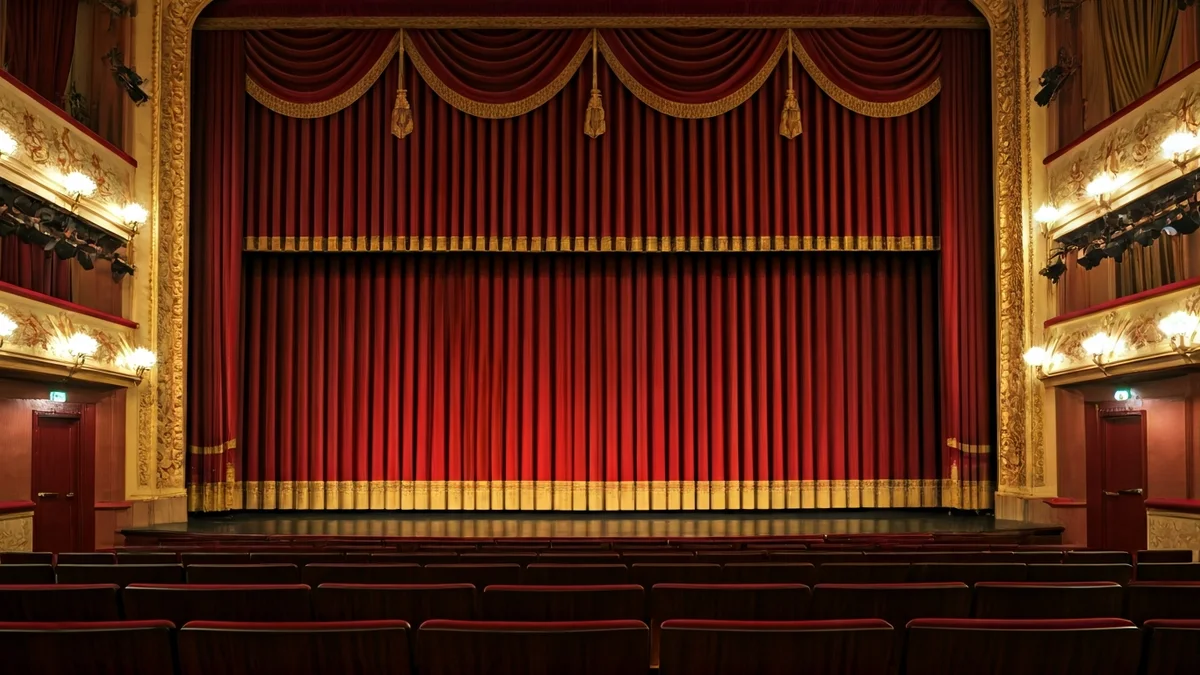
Zarzuela, a musical theater genre that emerged in Madrid during the 17th century as courtly entertainment, will be recognized for its evolution into a popular manifestation deeply rooted in Spanish culture. Its characters, settings, and music are an integral part of the collective imagination, reflecting Madrid's identity with traditional scenes and elements.
Zarzuela's golden age occurred between the late 19th century and early 20th century, with a renewal driven by composers such as Federico Chueca, Ruperto Chapí, Tomás Bretón, and Joaquín Valverde, who created iconic works like La verbena de la Paloma and La Gran Vía.
For its part, transhumance will also receive the BIC declaration as intangible heritage. This ancient livestock practice, involving the seasonal movement of cattle in search of better pastures, has shaped the lives of generations of shepherds. Recognized by UNESCO in 2023 as Intangible Cultural Heritage of Humanity, it has left a profound mark on the landscape and ethnographic heritage of the region.
Among the tangible assets to be protected as BIC, highlights include the walled enclosure and the keep of Villarejo de Salvanés, as well as the historic Sociedad de Condueños de Alcalá de Henares, founded in 1851 to preserve the buildings of the old university. Additionally, the Flemish tapestry Saint Paul Burning Books, attributed to Pieter Coecke van Aelst, a unique piece of great artistic value woven with gold and silver threads, will be included.
Furthermore, the regional Government will declare Asset of Patrimonial Interest the work The Deposition of Christ, also known as Lamentation over the Dead Christ, by the Italian painter Paolo de San Leocadio, dated to the early 16th century. This protection is joined by César Manrique's ceramic mural, located in the Centro district of Madrid, a pioneering work from 1954 that stands out for its dialogue between art and architecture, with cubist influences and innovative use of industrial materials.