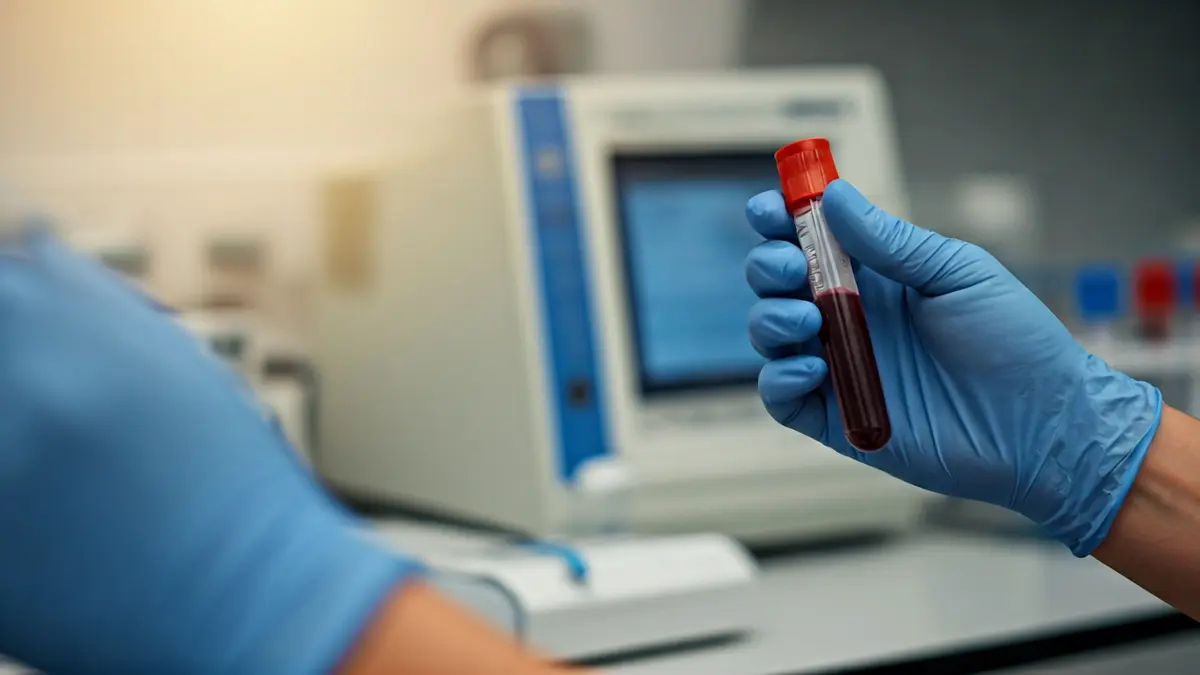
This significant investment, announced on Wednesday, April 8, 2026, seeks to improve the diagnostic capacity of Madrid's public healthcare system. The measure will benefit approximately 1.5 million people served in six public hospitals in the region: Henares (Coslada), Infanta Cristina (Parla), Infanta Leonor (Madrid), Infanta Sofía (San Sebastián de los Reyes), Sureste (Arganda del Rey), and Tajo (Aranjuez).
According to regional spokesperson Miguel Ángel García Martín, these centers have experienced a combined population growth of 6.45 percent over the last six years. In addition to its hospital functions, the laboratory provides services to the North, South, and Southeast Primary Care Assistance Directorates, which include over 160 health centers and local clinics, thus expanding its reach within the Madrid healthcare network.
The Central Clinical Laboratory, which renewed and expanded its accreditation from the National Accreditation Entity (ENAC) in 2024, now incorporates new capabilities such as molecular analysis for the human papillomavirus (HPV). Its operations adhere to the ISO 15189:2023 standard, ensuring patient safety and continuous process improvement. It covers areas such as Analytical Hematology, Microbiology, Parasitology, and Immunology, and performs blood compatibility tests.
“"The left is accustomed to deciding who can be awarded and who cannot, but this Administration is not. We scrupulously comply with the processes, and the contract is awarded to the best technical offer."
The contract's award to a subsidiary of the Quirón Group has sparked controversy. Unions like UGT had raised concerns about potential layoffs among the staff of over 200 workers. However, Miguel Ángel García defended the decision, stating that the final choice was made by the Contracting Board, based on “technical” and “economic” criteria to select the “best offer,” which achieved a score of 87.