During the last year, the Community of Madrid was the scene of 20,476 civil marriages, representing sustained growth in this type of union. In contrast, marital breakdowns, including separations, annulments, and divorces, decreased to 10,777 cases, a 15.2% reduction compared to the previous period.
Of the total number of weddings, 6,313 were formalized in civil registries, while the rest took place in town halls, notaries, and justice offices. The highest concentration of these celebrations was observed in the judicial district of Madrid. Specifically in the capital, the 21 municipal district boards officiated 3,416 weddings, with September, May, and June being the busiest months, unlike January and February, which recorded fewer unions.
The Justice Efficiency Law introduced significant changes. Since its entry into force, justices of the peace can no longer celebrate civil marriages.
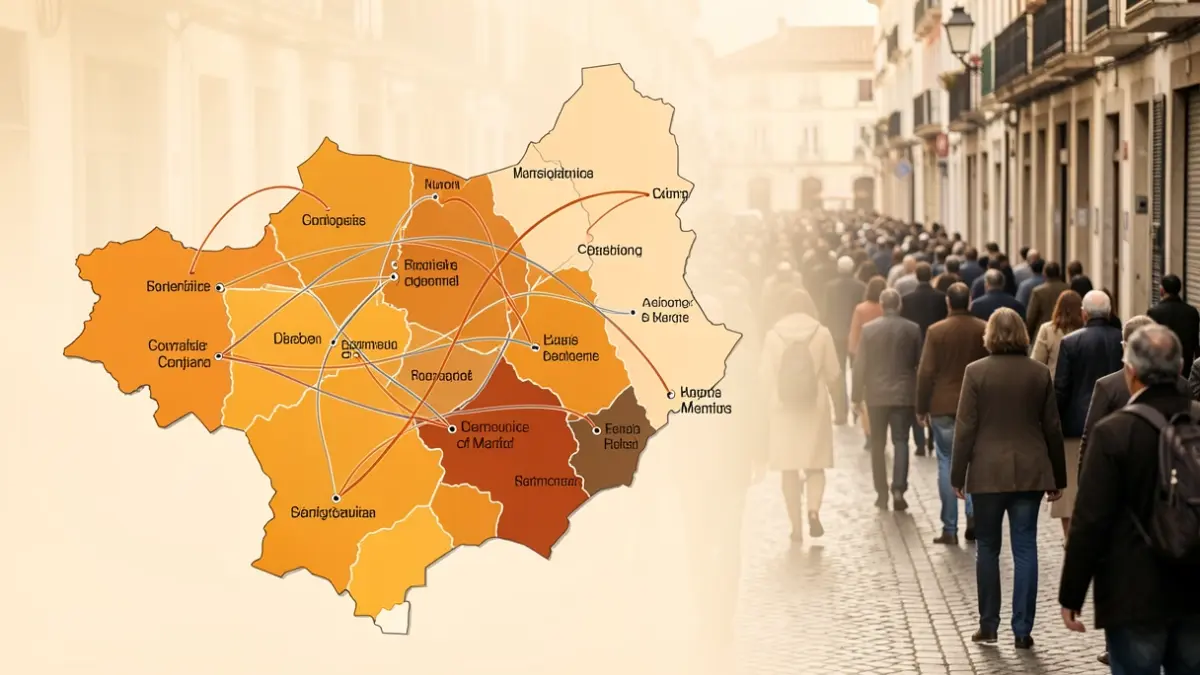
Regarding breakdowns, Madrid has a rate of 15.4 per 10,000 inhabitants, a figure lower than other autonomous communities such as the Balearic Islands or the Canary Islands. However, within the region itself, towns like Navalcarnero, Torrelaguna, Parla, and Valdemoro show the highest rates of separations and divorces.
The Community of Madrid has implemented a new digital service to facilitate marriage procedures. Through the Cuenta Digital application, citizens can initiate the marriage process online, including the electronic signature of both parties, which eliminates the need to present additional documents or paper authorizations. This service is already operational in the capital and is expected to expand to the rest of the region soon.