The initiative, titled 'Un barrio con vistas' (A Neighborhood with Views), celebrates its third edition and will take place on weekends between September 5th and October 4th. Registrations can be made starting this Thursday through the Central Reservation system of the Directorate General of Cultural Heritage and the Office of the Spaniard.
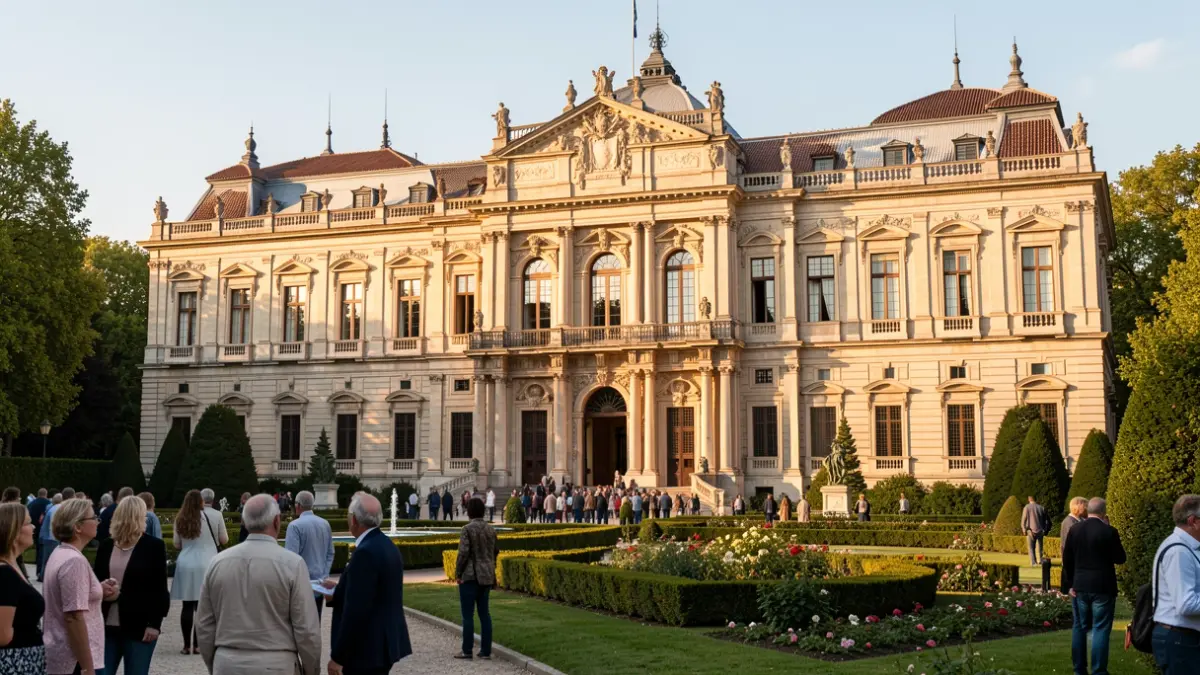
The tours will depart from the emblematic Finca Vista Alegre, recognized as a Site of Cultural Interest (BIC) in the Historical Garden category. This heritage site will serve as the starting point to explore Carabanchel's evolution, merging heritage, urban history, and the lifestyles that have shaped its identity.
The program offers two distinct itineraries. The first, 'From the Estate to the Neighborhood: The Aristocratic Island and the Brick Sea,' will contrast 19th-century aristocratic architecture with the growth of the working-class city in the 20th century. It will highlight the role of gardens and landscapes as symbols of power, as well as the use of iron and glass in leisure spaces. It will also cover Madrid's expansion towards its peripheries and the early working-class developments, with stops at locations like the Colonia de la Prensa, a landmark of Madrid's Art Nouveau style.
The second itinerary, 'Ways of Living,' focuses on the district's social history and the life dynamics that have forged its character. It will trace Carabanchel's transformation from its origins as two distinct rural nuclei, Carabanchel Alto and Carabanchel Bajo, to its integration into the capital and subsequent consolidation as a major industrial and residential district.
A notable new feature of this edition is the expansion of activities to the school public starting in October. The routes will be adapted for Primary and Secondary Education students, aiming to create learning spaces that allow students to approach their urban environment and develop a critical perspective on the city they inhabit.
As part of the experience, participants will have the opportunity to observe their surroundings and sketch different points along the route, thus becoming active interpreters of the neighborhood's history.