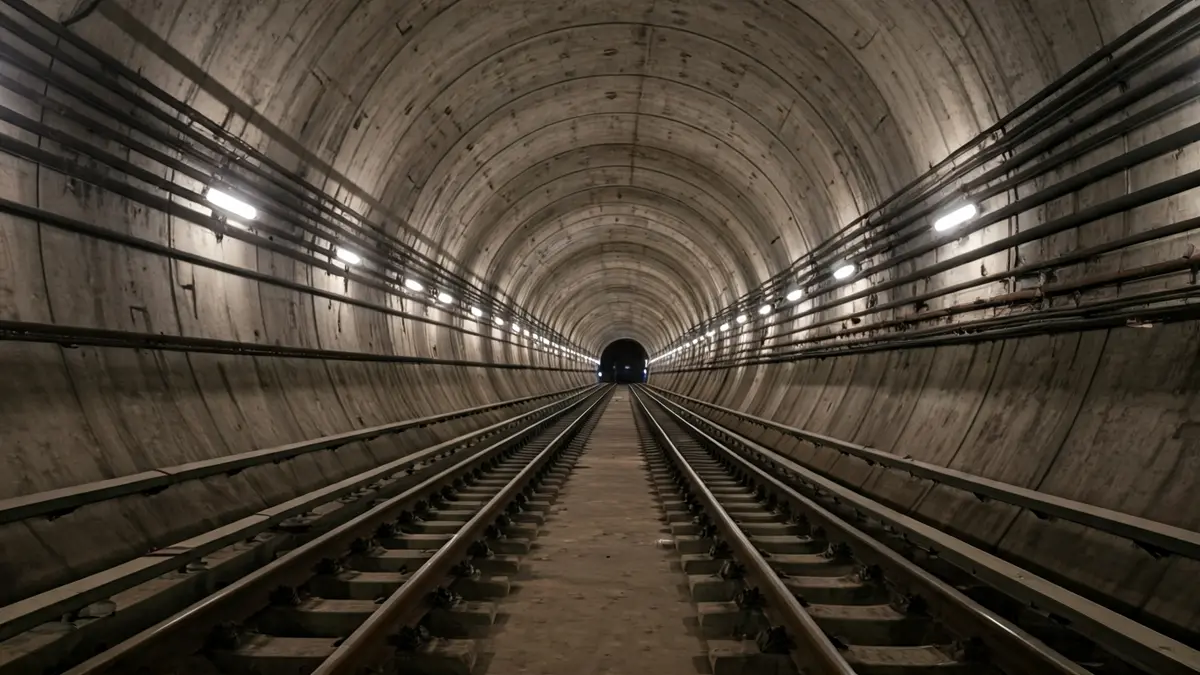
Since its reopening on November 22, the section between Barrio del Puerto and Hospital del Henares has served over 3.3 million passengers. This part of the line had been closed due to significant structural issues, prompting the Community of Madrid to undertake a comprehensive tunnel repair, including waterproofing and ground consolidation efforts.
The Governing Council is expected to approve the final certification of the waterproofing, consolidation, and drainage superstructure repair works this Wednesday, with a contract value of 2.7 million euros. These efforts have enabled the full operation of the Barrio del Puerto, Coslada Central, La Rambla, San Fernando, Jarama, Henares, and Hospital del Henares stations.
The reopening was made possible by an investment of 117.19 million euros for infrastructure repair. Since its inauguration in 2007, Line 7B has experienced nine closures, accumulating over five and a half years of interruptions in just 18 years of operation, making it one of the most problematic lines in the metropolitan network.
The General Directorate of Infrastructures has stabilized 20,600 square meters of soil and rehabilitated 5,575 meters of track. The work involved injecting 1,279 tons of mortar into the tunnel, reaching depths of up to 45 meters, a volume the Community likens to five Olympic-sized swimming pools to illustrate the scale of the underground intervention.
In addition to the internal tunnel works, surface interventions were carried out to stabilize the ground and repair damages in the urban environment of the municipality. The regional government assures that the line now operates with the highest safety and quality standards required by Metro de Madrid.