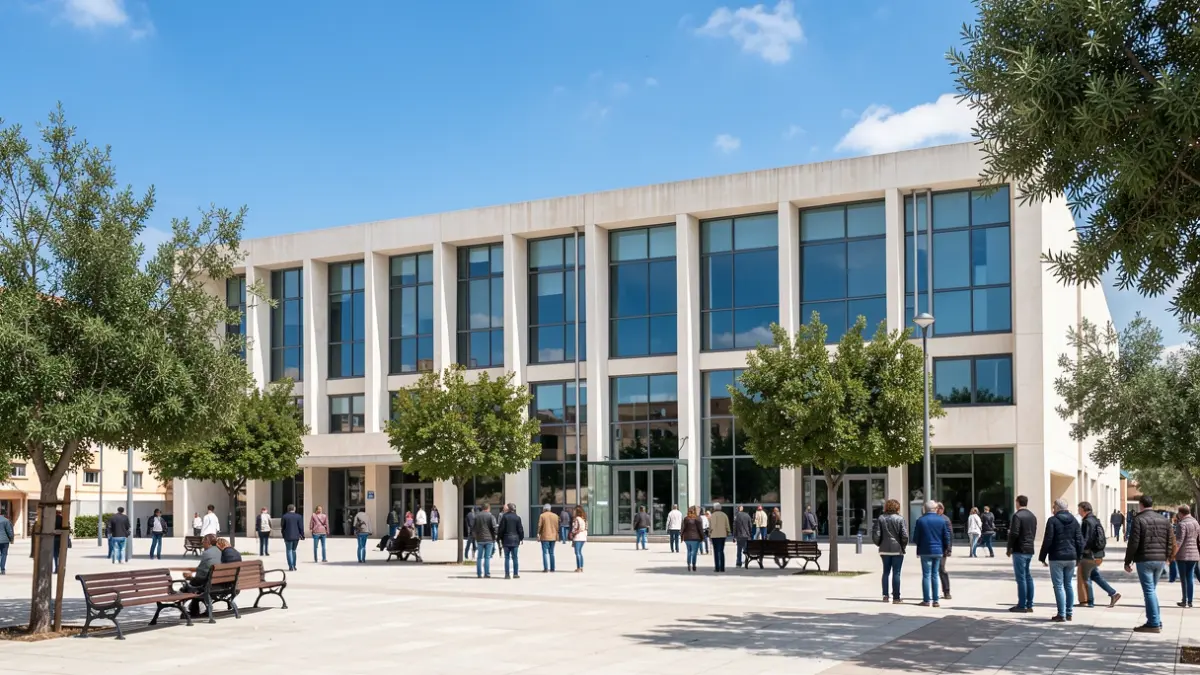
The event, to be held at the Centro 21 de Marzo – Factoría Cultural, will analyze the shift in perception of these organisms, from being seen as mere threats to being recognized as fundamental components for well-being and biological balance.
Titled “Microorganisms: From Archenemies to Inseparable Companions”, the session will begin at 7:00 PM and will be led by José Antonio Gil Santos, a Doctor in Biological Sciences, Professor of Microbiology, and Director of the Institute of Molecular Biology.
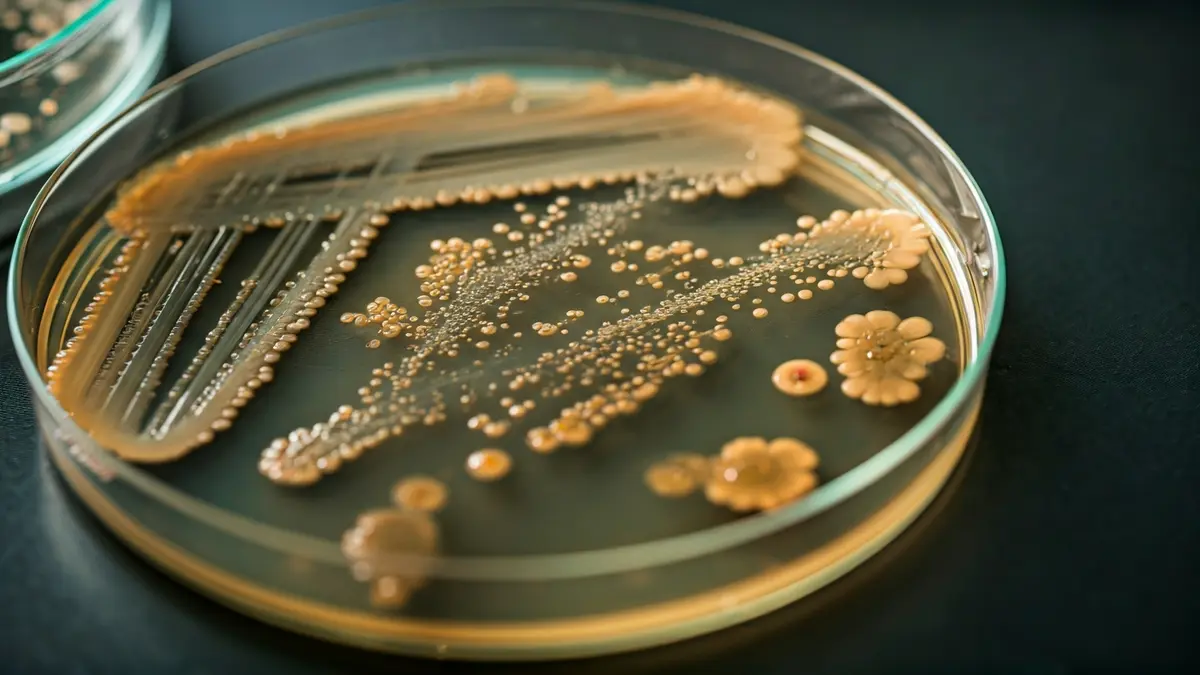
The conference will explore the origin of microorganisms approximately 3.8 billion years ago, when they were the sole life forms on Earth for over 3 billion years. Their metabolic capacity was crucial in transforming the atmosphere and laying the groundwork for complex life. Currently, they remain the most abundant and widespread life forms in almost all ecosystems.
The essential role of microorganisms in vital processes such as geochemical cycles, waste treatment, the production of fermented foods and alcoholic beverages, as well as the generation of enzymes, vitamins, and antibiotics, will be highlighted, underscoring their relevance in both nature and industrial and health sectors.
Although a minority of microorganisms have caused deadly diseases throughout history, most are beneficial. The session will also address the close relationship between these organisms and the human body, where they coexist from birth, maintaining a stable balance. It is estimated that humans are largely composed of microorganisms, and any alteration in this balance can lead to diseases, emphasizing the importance of microbiology in medical research and prevention.